
Titleist Driver Settings: One SureFit Chart Since 2010
Titleist never gave A through D a meaning. The grid does: up and down for trajectory, left and right for shot shape. One chart, every driver since 2010.
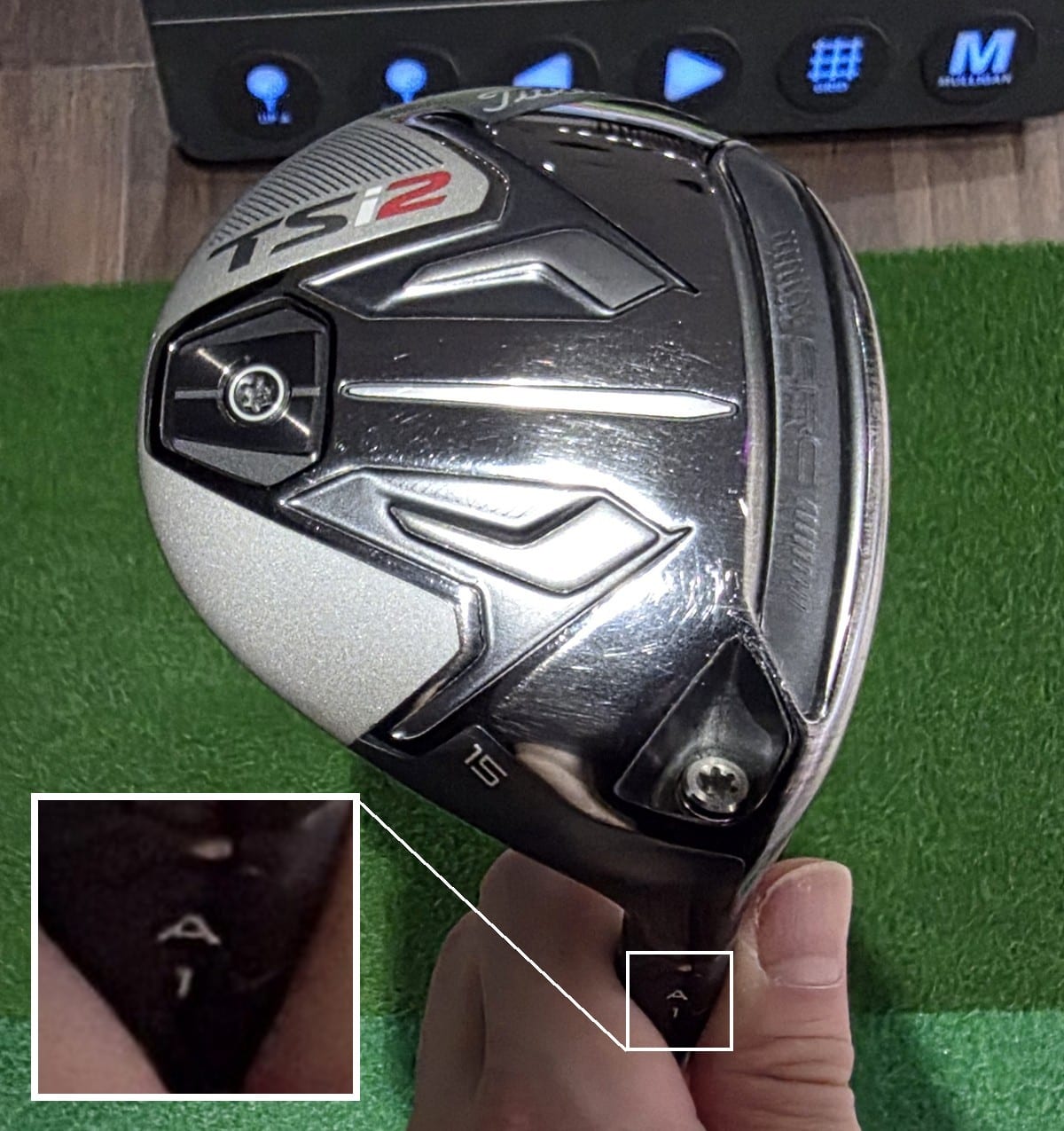
You’re at the range with the wrench in your hand. The collar where the shaft meets the head is the hosel. On a Titleist it carries a sleeve marked 1 to 4 and a ring marked A to D. Yours reads something like B and 2, and you can’t remember what that means.
So you look it up again, the way you looked it up last time. The chart you find says GTS, or TSR, or TSi. Your driver says something else. Now there are two questions instead of one.
Here’s the short version of both. The chart fits your driver whatever year it was made, and the letters were never meant to be memorized.
The short answer
- The SureFit hosel has two rings that turn independently. Together they give “16 unique loft and lie angle combinations” (Titleist, retrieved 2026-09-21).
- Neither ring means anything by itself. Titleist puts the meaning in movement across the grid: “Move up or down in the grid to adjust trajectory. Move left or right in the grid to fine-tune direction.”
- A·1 for a right-hander and D·4 for a left-hander are what Titleist calls the standard position. Every other cell is measured from there.
- Steps are 0.75 degrees for drivers and fairways. Hybrids from the 816H onward move 1 degree; the older 913H and 915H moved 0.75.
- The grid is lopsided. It reaches 1.5 degrees toward more loft but only 0.75 toward less, and 1.5 degrees upright but only 0.75 flat. The draw side is twice as wide as the fade side.
- Titleist publishes no torque number. Tighten with the supplied wrench until it clicks, and don’t adjust anything during a round.
In this article:
- The chart on your screen is the chart for your driver
- Nobody memorizes A through D, and Titleist never asked you to
- Pick the row and the column, and the SureFit code falls out
- What this hosel can’t do for you
- Turning it without wrecking anything
- Terms in this article
The chart on your screen is the chart for your driver
This is the thing that stops people, so it goes first. You find a settings chart and it names a model you don’t own. So you stop trusting it.
You can trust it. Titleist has used one SureFit grid across sixteen years of drivers.
Three things say so. First, Titleist lists the parts as interchangeable: “GTS, GT, TSR, TSi, TS, 917, 915, 913 and 910 driver shafts are interchangeable” (Titleist, retrieved 2026-09-21). Second, the same page gives one step size for the whole category, 0.75 degrees for every driver and fairway.
Third, the oldest test I could find still matches. A hobbyist ran all 16 settings on a 913 back in 2014 and named five of them. These are his own labels, not the chart’s punctuation (0to300golf, 2014):
- A1 as standard
- A2 as 1.5 upright
- A3 as 1.5 upright with 1.5 more loft
- A4 as 1.5 more loft
- B1 as 0.75 flat
All five land on the same cells as the chart Titleist publishes today. That’s five of the sixteen, not the whole grid. They cover two of the four loft rows and three of the four lie columns.
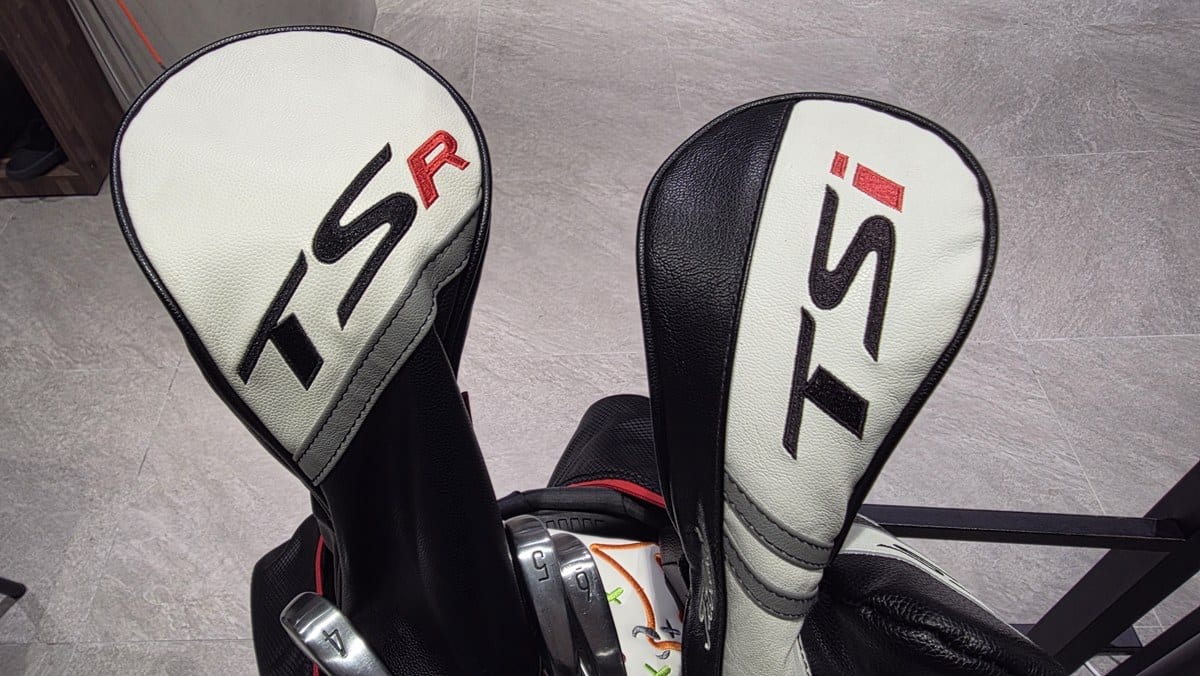
The chart also covers more than drivers. Titleist titles it “Driver / Fairway,” and quotes the 0.75 degree step for both. Those two covers are from different generations and go on different club types, and the same grid applies to each.
Two limits, so you don’t misapply it. Hybrids from the 816H onward move in 1 degree steps rather than 0.75, so for those this grid’s numbers don’t apply; they have their own hybrid chart. The older 913H and 915H sleeves did move 0.75 degrees (Golf Australia, 2015). And the GTS300 mini driver takes the fairway sleeve rather than the driver sleeve (Titleist Media Center, 2026-07).
One honest note as well. Titleist has never published a sentence saying “the chart is unchanged since 2010.” The three points above are a check I ran, not a promise the company made.
Maybe what you’re really asking is different. Do the printed numbers match what a machine would measure? That’s a separate question with its own answer: what a loft sleeve actually moves. This article is about which setting to choose, not whether the label is honest.
Nobody memorizes A through D, and Titleist never asked you to
You look it up every time because you’re trying to remember something that doesn’t exist. There’s no rule where A means one thing and B means another.
Here’s how Titleist words it. “Start in the standard position: A•1 (RH) or D•4 (LH). Move up or down in the grid to adjust trajectory. Move left or right in the grid to fine-tune direction.” (Titleist, retrieved 2026-09-21)
The meaning lives in the direction you travel across the grid. The letters and numbers are just addresses for the cells.
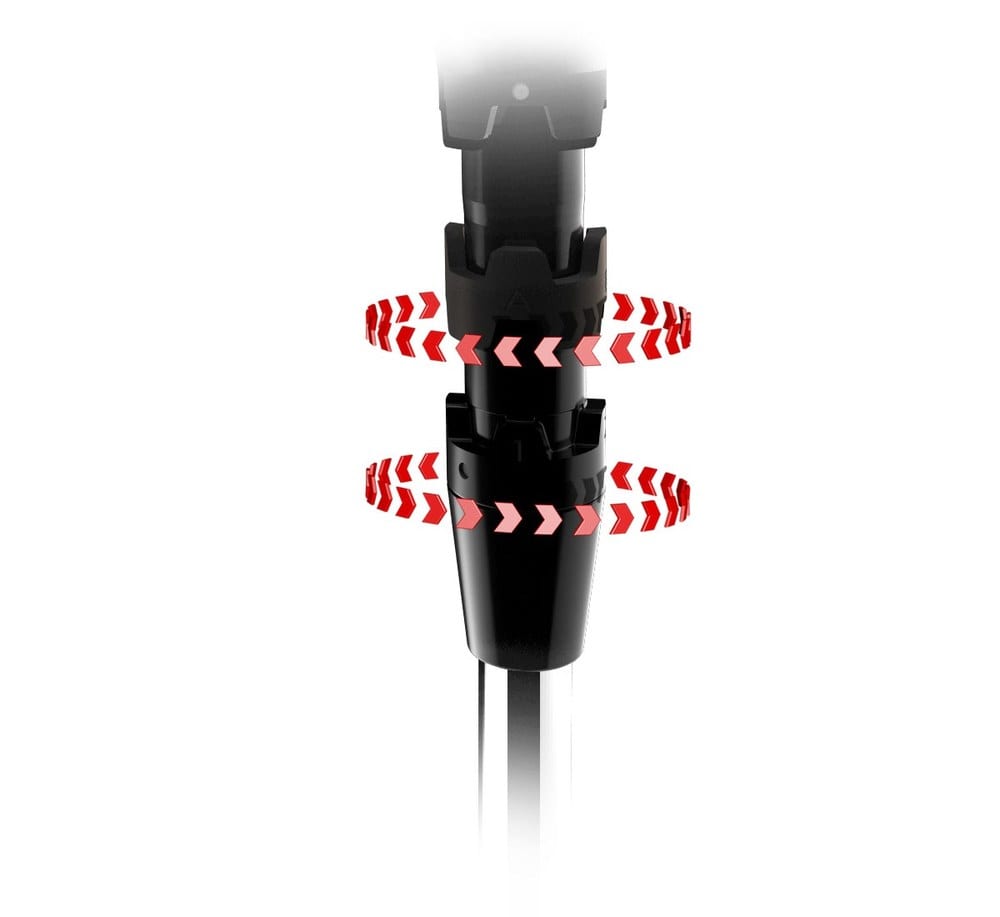
So there’s only one thing to hold onto. The hosel has two rings; they turn separately; where they end up together is your setting.
Pick the row and the column, and the SureFit code falls out
This is the part worth saving to your phone. There aren’t 16 outcomes to learn. There are four lofts and four lies, and you’re choosing one of each.
The table leans on two words, so here they are. Loft is the angle of the clubface, which mostly sets how high the ball launches and how much it spins. Lie is the angle between the shaft and the ground with the club soled, and upright means the shaft stands more vertical.
| 1.5° upright | 0.75° upright | Standard lie | 0.75° flat | |
|---|---|---|---|---|
| +1.5° loft | A·3 (most draw) | B·3 | A·4 | B·4 |
| +0.75° loft | D·3 | C·3 | D·4 | C·4 |
| Standard loft | A·2 | B·2 | A·1 | B·1 |
| -0.75° loft | D·2 | C·2 | D·1 | C·1 (most fade) |
Values read from the official SureFit chart for a right-handed driver (Titleist, retrieved 2026-09-21). Find the loft you want on the left, find the lie you want along the top, and read the code where they meet.
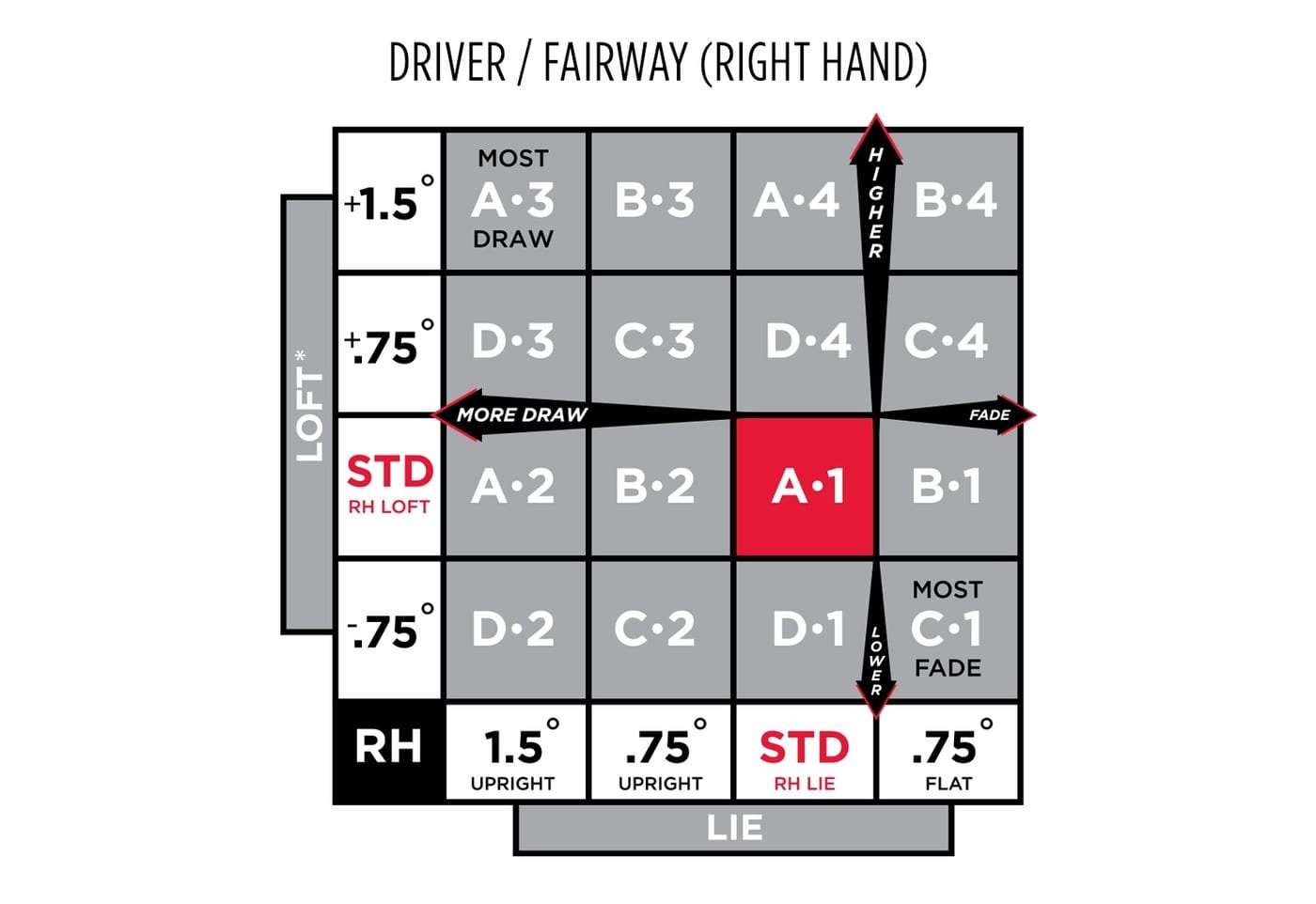
Titleist labels the directions on that chart, and this is the part the text on its page leaves out. Up reads HIGHER and down reads LOWER. Left reads MORE DRAW and right reads FADE. A·3 in the top left corner is printed MOST DRAW, and C·1 in the bottom right is printed MOST FADE.
For a right-hander, a draw curves the ball left and a fade curves it right. A slice is a big fade. A hook is a big draw. So the four common misses map like this:
- Ball won’t climb: move up a row.
- Ball balloons and spins: move down a row. There’s only one.
- Ball curves right: move left along your row.
- Ball hooks left: move right along your row. There’s only one.
One caveat, and it’s about you rather than the chart. Moving left won’t delete your slice. It reduces how far the ball curves, and it doesn’t touch whatever your swing is doing to start the curve.
My own TSR3 sits at B·2. Read that off the grid and it’s the stated loft with three quarters of a degree more upright lie. That puts it one cell left of the standard position.
Somebody turned it at some point, and I don’t know whether that was the previous owner or whoever built the club. On any used driver, read the sleeve before you judge how the club flies.
What this hosel can’t do for you
The grid isn’t symmetrical. It reaches much further one way than the other.
| Toward draw and higher | Toward fade and lower | |
|---|---|---|
| Loft | +1.5° | -0.75° |
| Lie | 1.5° upright | 0.75° flat |
The hosel reaches twice as far toward draw as it does toward fade. If you hit it low and right, there’s plenty of room in the direction you need. If you fight a hook, it has exactly one cell to offer you, and that’s the whole range.
When you need more than that, it stops being a hosel question and becomes a model question. Some current Titleist drivers carry a second adjustment on the sole and some don’t.
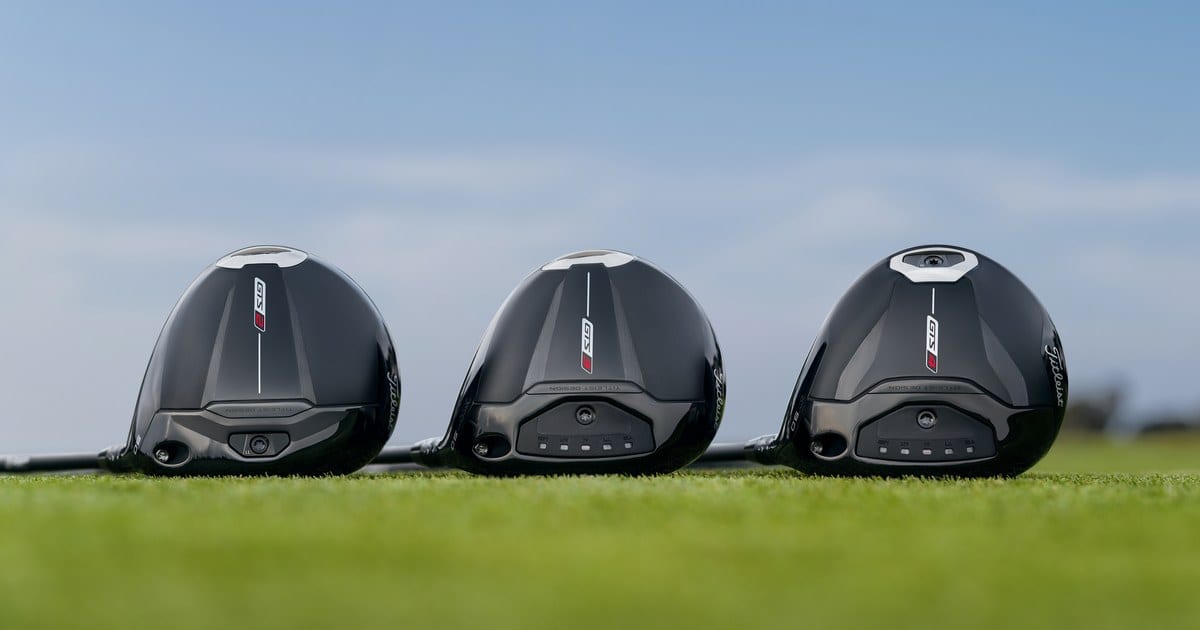
The GTS3 and the GTS4 have the SureFit CG Track. It slides a weight along the sole to shift the head’s center of gravity toward the heel or the toe. Titleist gives it five positions, T2 through H2, producing “More Fade, Fade, Neutral, Draw, More Draw” (Titleist, retrieved 2026-09-21).
The GTS2 and the GT1 have no shot shape adjustment at all. The GTS2 has “two flat weights located front & back,” and flipping them “fine-tune[s] flight and trajectory.” The GT1 carries “one flat weight located back” (Titleist, retrieved 2026-09-21). Neither arrangement moves weight toward the heel or the toe, which is what bends a ball flight sideways.
That matters. Going by what sits in shop bays and fitting write-ups, the GTS2 is the model most club golfers end up in off the rack. Plenty of guides imply that any Titleist driver can be tuned for direction. On a GTS2 the hosel is the whole toolkit.
Still choosing between heads rather than settings? My roundup of this year’s drivers puts the GTS2 next to the 2026 field.
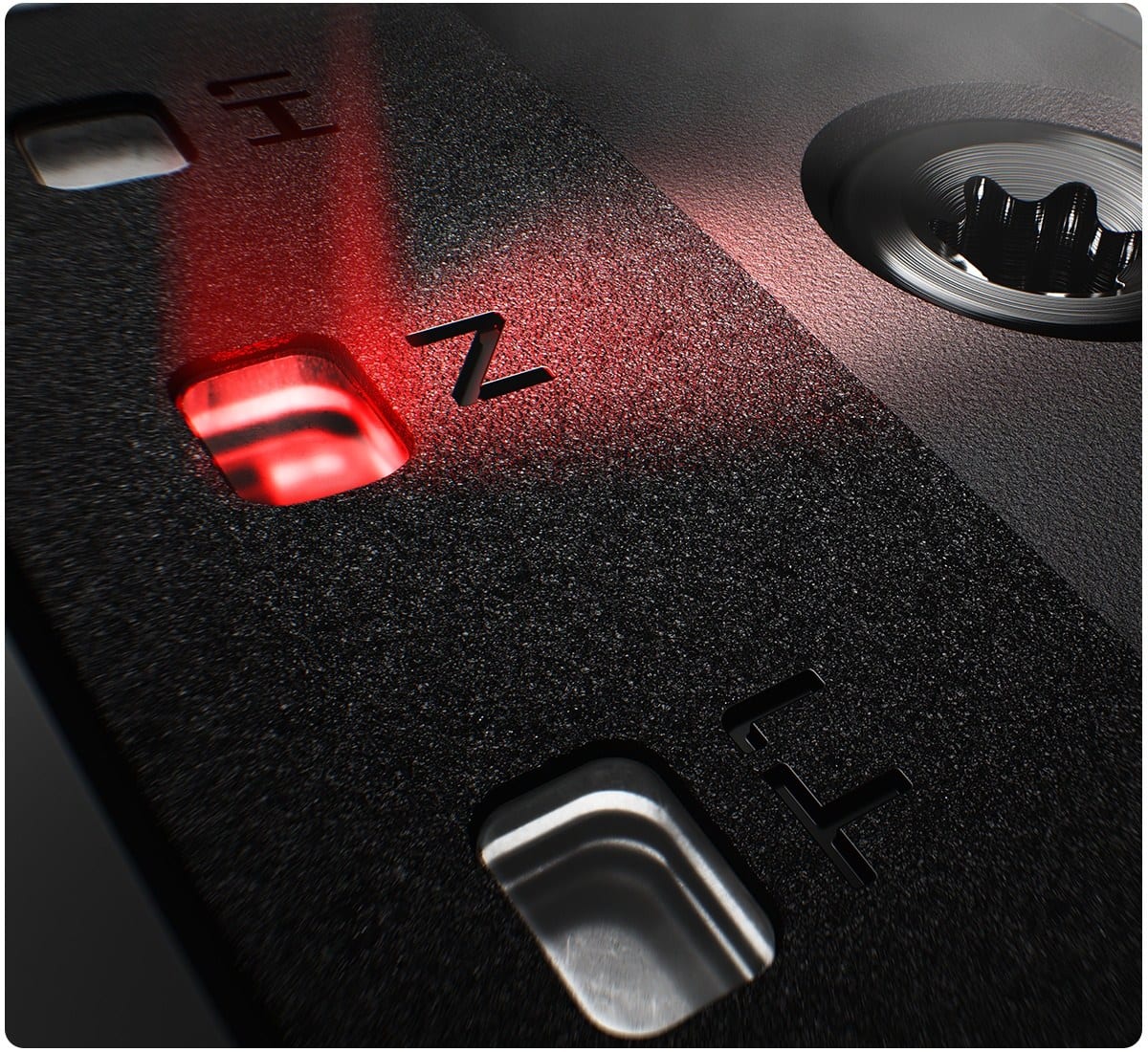
Something else about that track matters here. Its BEST FOR column keys each position to a toe, center or heel strike pattern rather than to a shot shape (Titleist, retrieved 2026-09-21). So you’ll want to find out where you’re making contact before you slide anything.
Don’t expect the track to erase a miss either. You won’t move that weight and lose a slice. What you will get is a clear change in ball flight. The reviewer who put the GTS4 on a launch monitor drew that same line: it “won’t cure a bad slice or hook,” though “it does make an obvious difference on ball flight” (Plugged In Golf, 2026-07-01).
Different brands split this job differently, which is why the answer changes when you pick up another driver. On a current Callaway the hosel doesn’t handle shot shape at all: what each OptiFit setting fixes.
Turning it without wrecking anything
The procedure is short, and Titleist words the whole thing in one sentence: “Insert SureFit wrench into hosel screw and rotate counter-clockwise until hosel becomes loose, move adjustment ring to the desired setting, and tighten clockwise until you feel and hear the wrench ‘click’. If the screw feels like it is binding, stop and realign components.” (Titleist, retrieved 2026-09-21)
You don’t need to take the screw all the way out. Loosen it until the head has play, seat the rings where you want them, then tighten.
There’s no published torque figure, because Titleist doesn’t give one. The click is the spec. You’ll want the wrench that came with the club rather than a screwdriver or a generic hex key.
Titleist attaches two warnings of its own here. It says the system “is only compatible with genuine Titleist components.” Mixing parts may void the warranty, or let the head “loosen or disengage from the shaft during a swing” (Titleist, retrieved 2026-09-21).
There’s a rules point too. Titleist notes that the settings “must not be adjusted during a round of golf,” which follows Rule 4.1a on deliberately changing a club’s performance characteristics during a round.
That’s why this is a range job. Work it out on the mat, write down the code you landed on, and leave it alone once you tee off.
If you take one thing with you, take the grid. Decide what you want the ball to do, pick the row and the column, and read off the code. If your miss is low and right, the hosel has room. If it’s left, you get one cell, and after that the honest answer is your swing or a different head.
Terms in this article
- Hosel: the collar where the shaft meets the clubhead. On an adjustable driver, it’s the part you turn with the wrench.
- Sleeve and ring: the two parts of a SureFit hosel. The sleeve carries the numbers 1 to 4, the ring carries the letters A to D, and they rotate independently.
- Loft: the angle of the clubface, which mostly sets how high the ball launches and how much it spins.
- Lie angle: the angle between the shaft and the ground when the club is soled. Upright stands the shaft more vertical, which tends to send a right-hander’s ball further left.
- Draw and fade: for a right-hander, a draw curves the ball left and a fade curves it right. A hook is an oversized draw, a slice an oversized fade.
- CG: center of gravity, the balance point of the clubhead. Moving it toward the heel or the toe is what the SureFit CG Track does.