Golf advice you can't verify isn't advice.
I'm not teaching anyone here. I'm still learning myself. But most of what golfers repeat has never actually been checked, so I check it, and every source is linked.
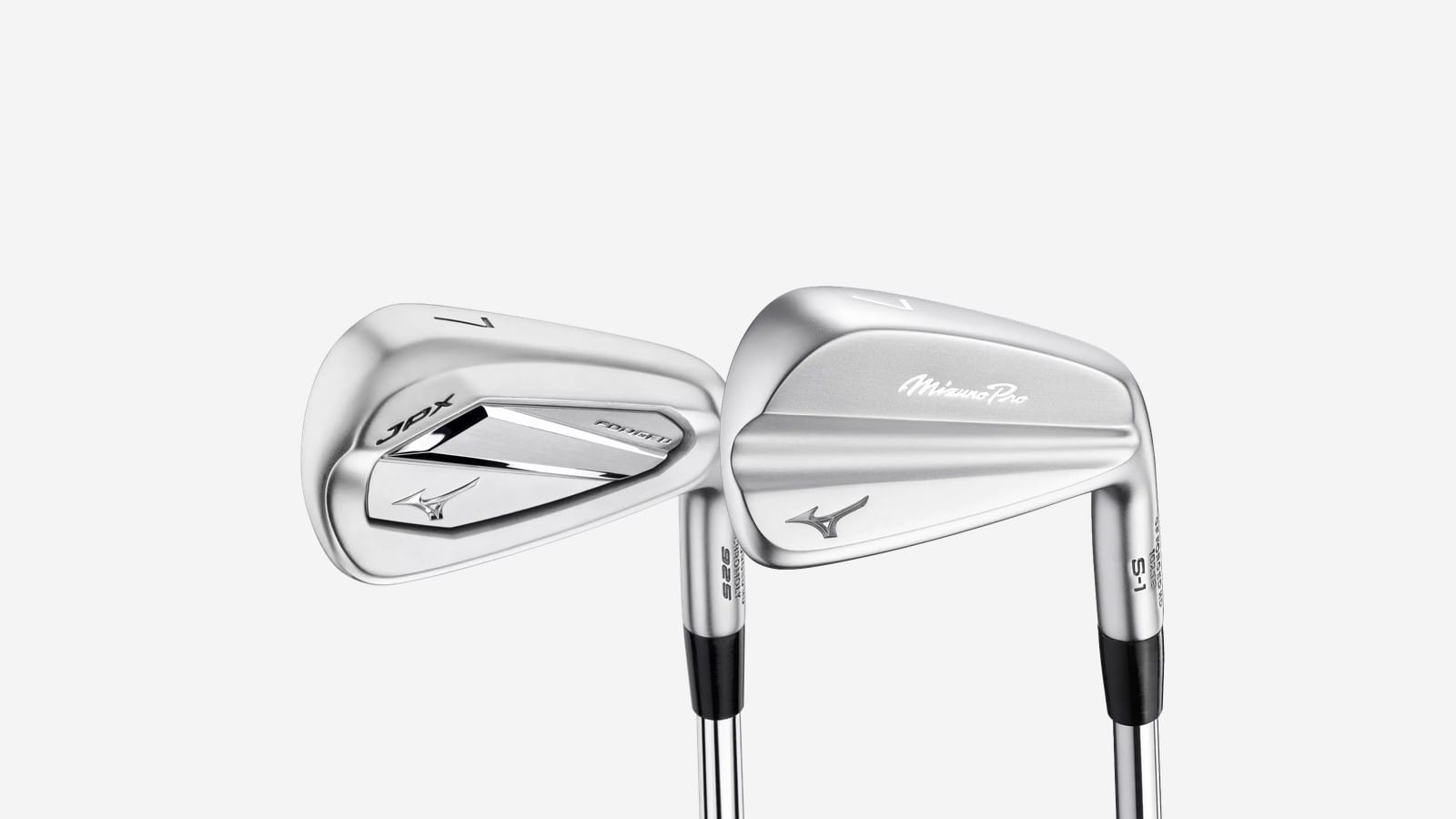 Latest · Irons & Loft Charts Mizuno Irons: Hot Metal for Help, Mizuno Pro for Control Mizuno's US iron page shows two names: JPX925, which carries handicap labels, and Mizuno Pro, which doesn't. Here's which fits, and where a 245, 243 or JPX923 sits now.
Latest
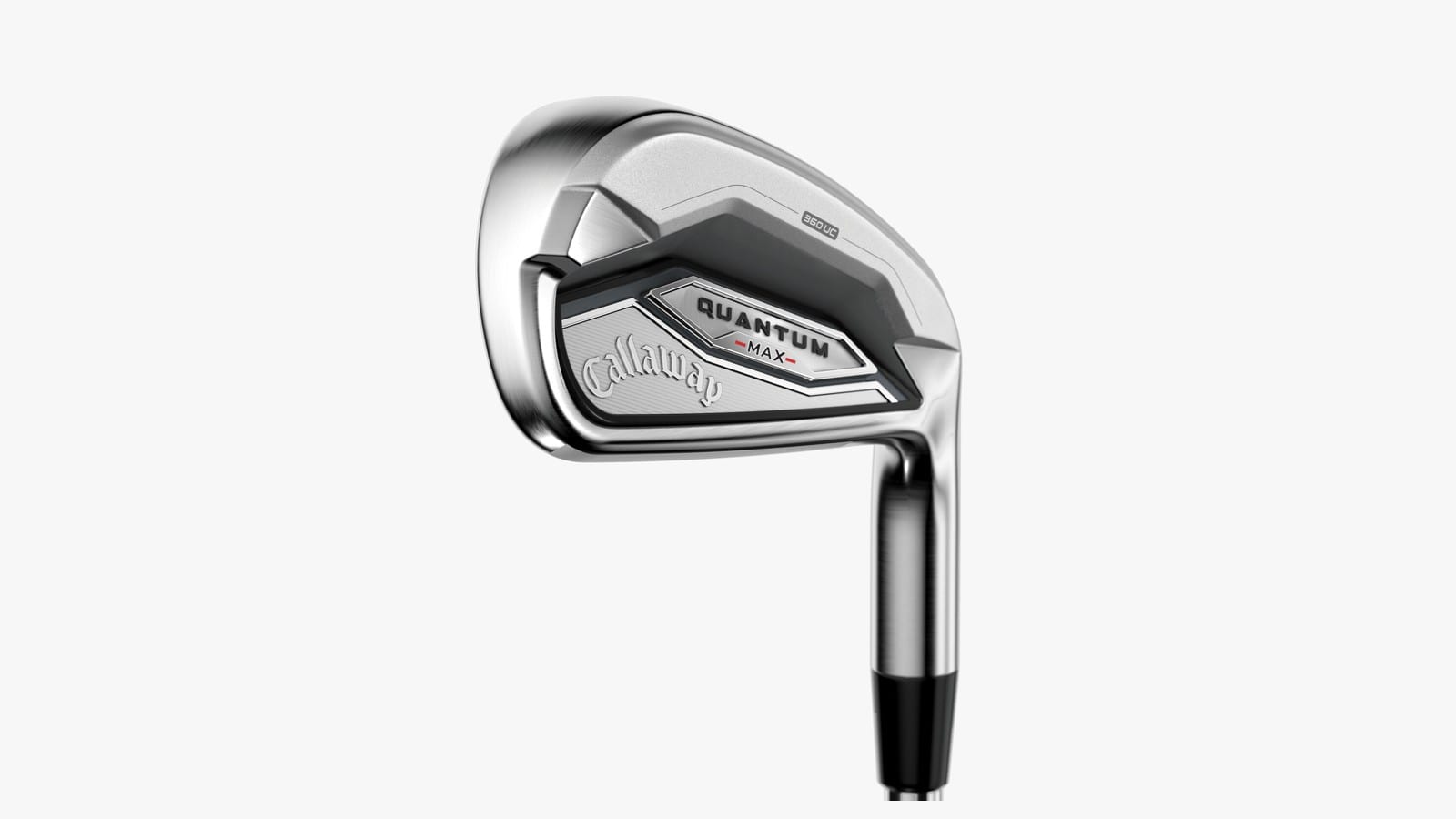
80 posts- Callaway Irons: Read the Family Name Before the Model Name Callaway's irons page points to two current families, Quantum and Apex, plus X Forged. Here's how to place Elyte, Paradym or MAVRIK by family, forging and year.
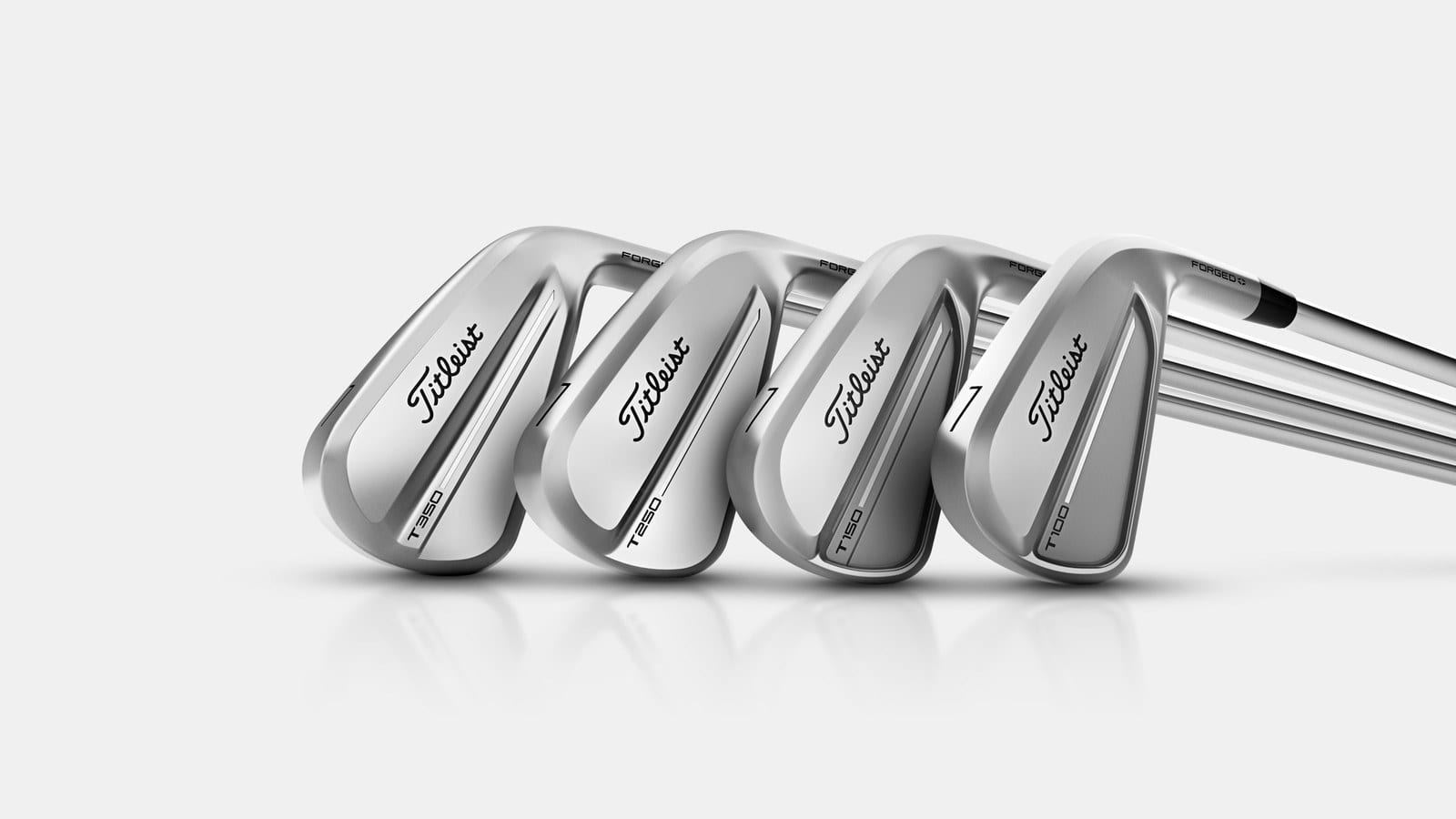
- Titleist Irons, Ranked on Titleist's Own Scale: T350 to 620 Titleist's own comparison charts score its seven current irons from 10 (620 MB, 620 CB) to 2 (T350). Here's what changes at each step, in Titleist's words.
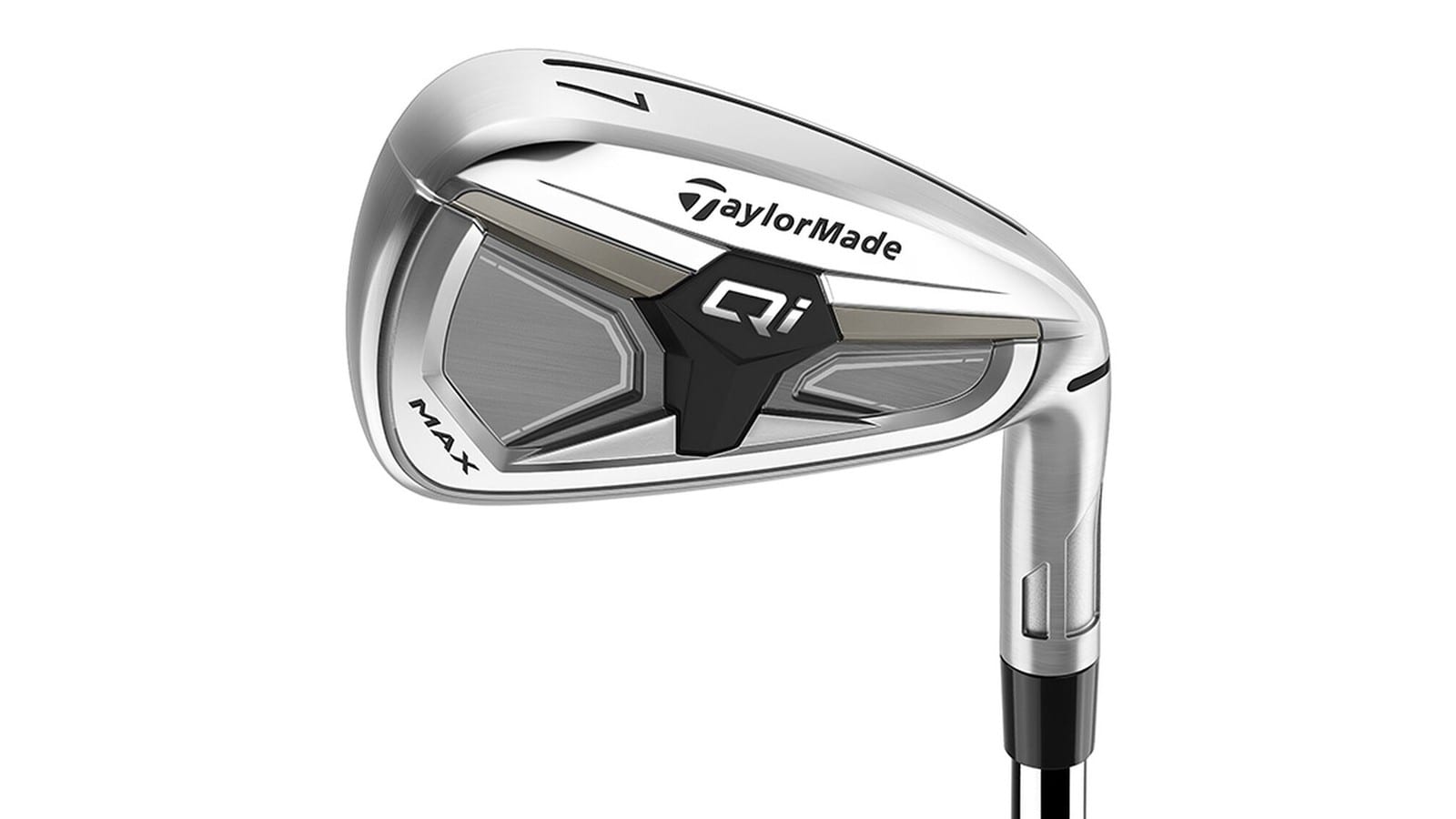
- TaylorMade Irons Compared: Seven Models, From Qi Max to P7MB TaylorMade rates seven of its current irons on one chart, from the Qi Max HL (Highest forgiveness) to the P7MB and P7TW (Low). The 7-iron runs 28-35° of loft.
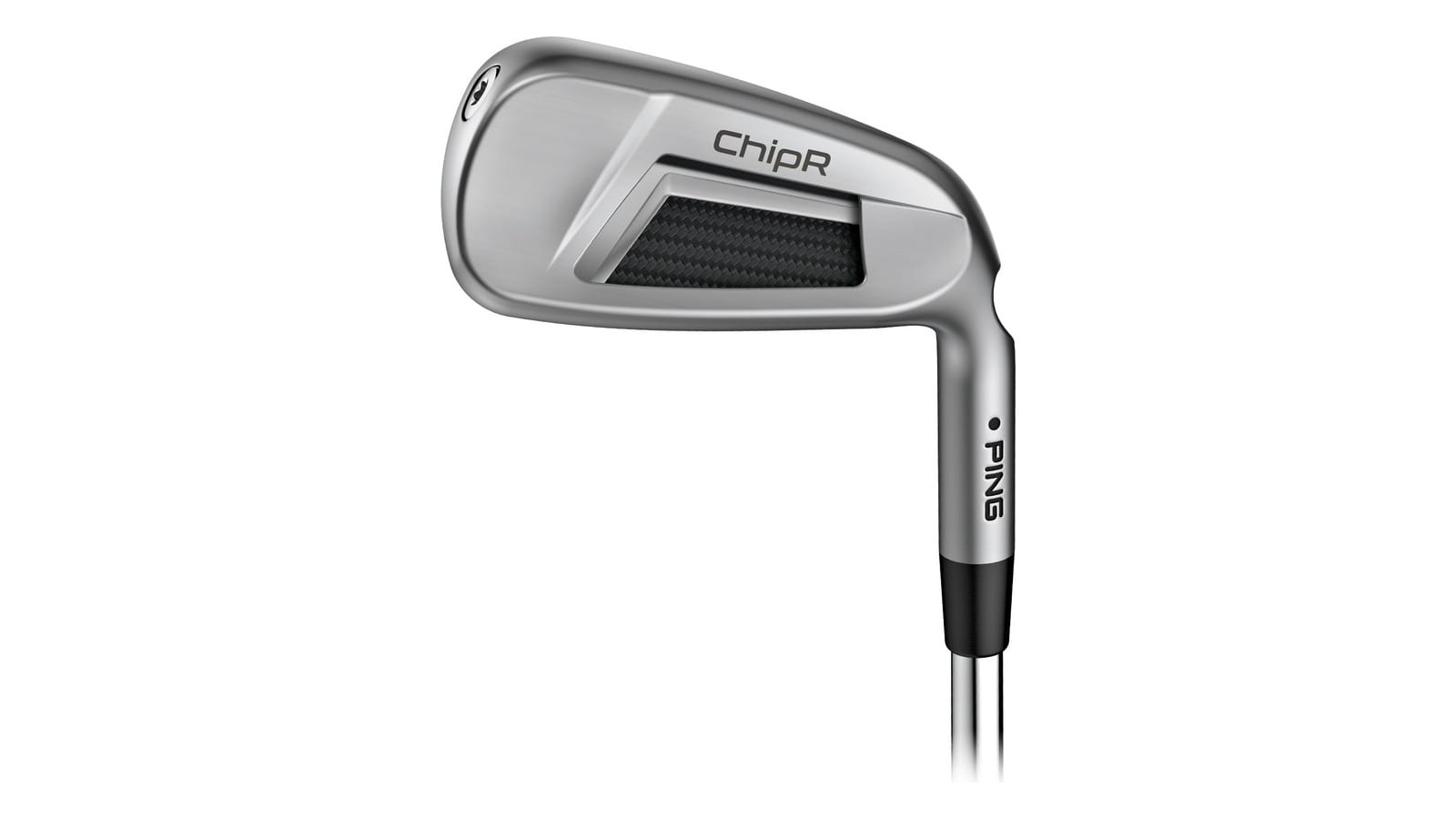
- Golf Chipper: An Iron Built Like a Putter, and When It's Illegal A golf chipper is an iron, 37-42° on three common models, stood upright and cut short for a putting-like stroke. Two faces or a putter grip make one illegal.
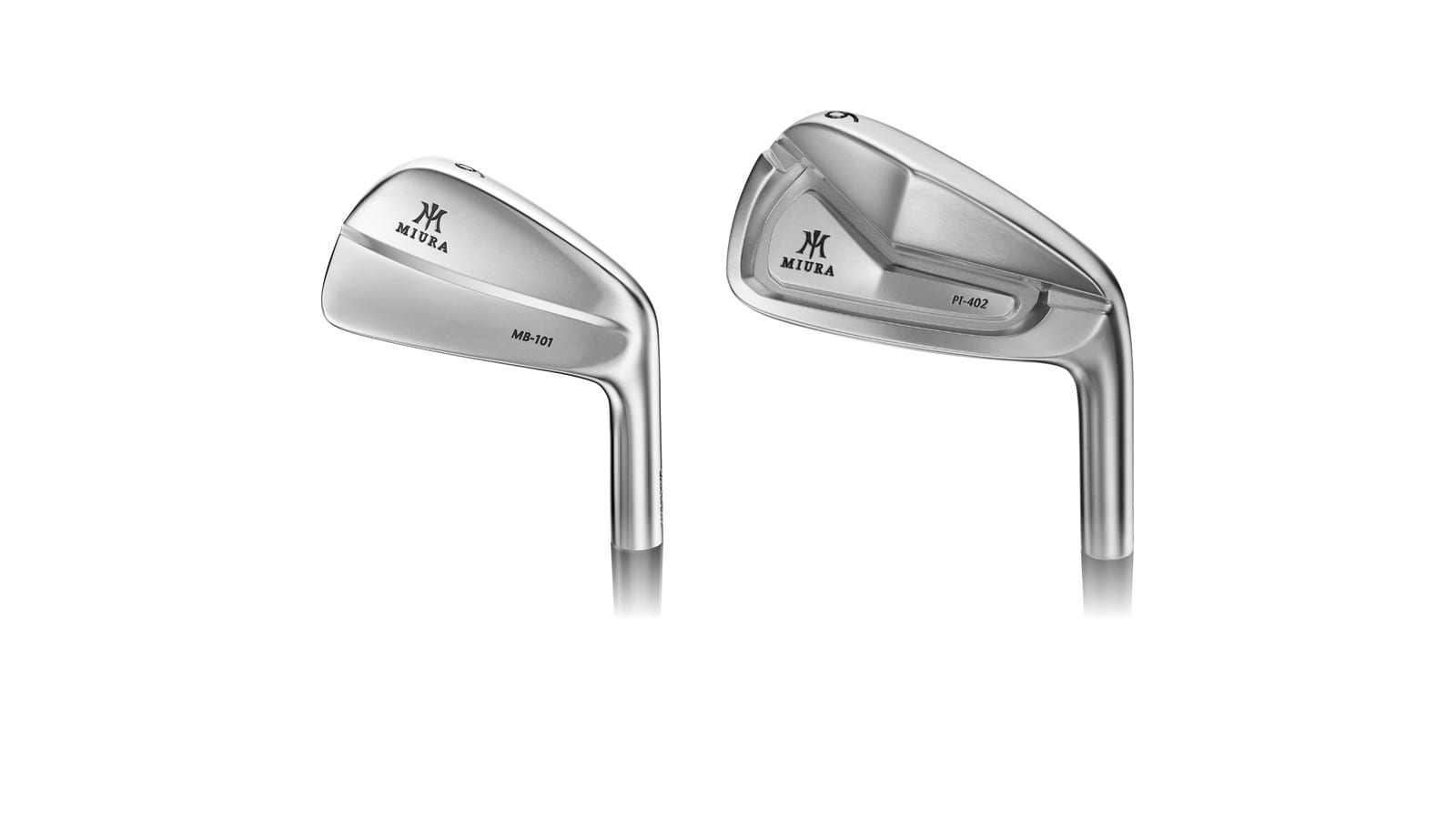
- Miura Irons by Handicap: Seven Models on Miura's Own Ladder Miura rates its seven iron models from 1 to 5 handicap stars. Three get four or more, and the one-material soft carbon steel story ends at the CB-302.
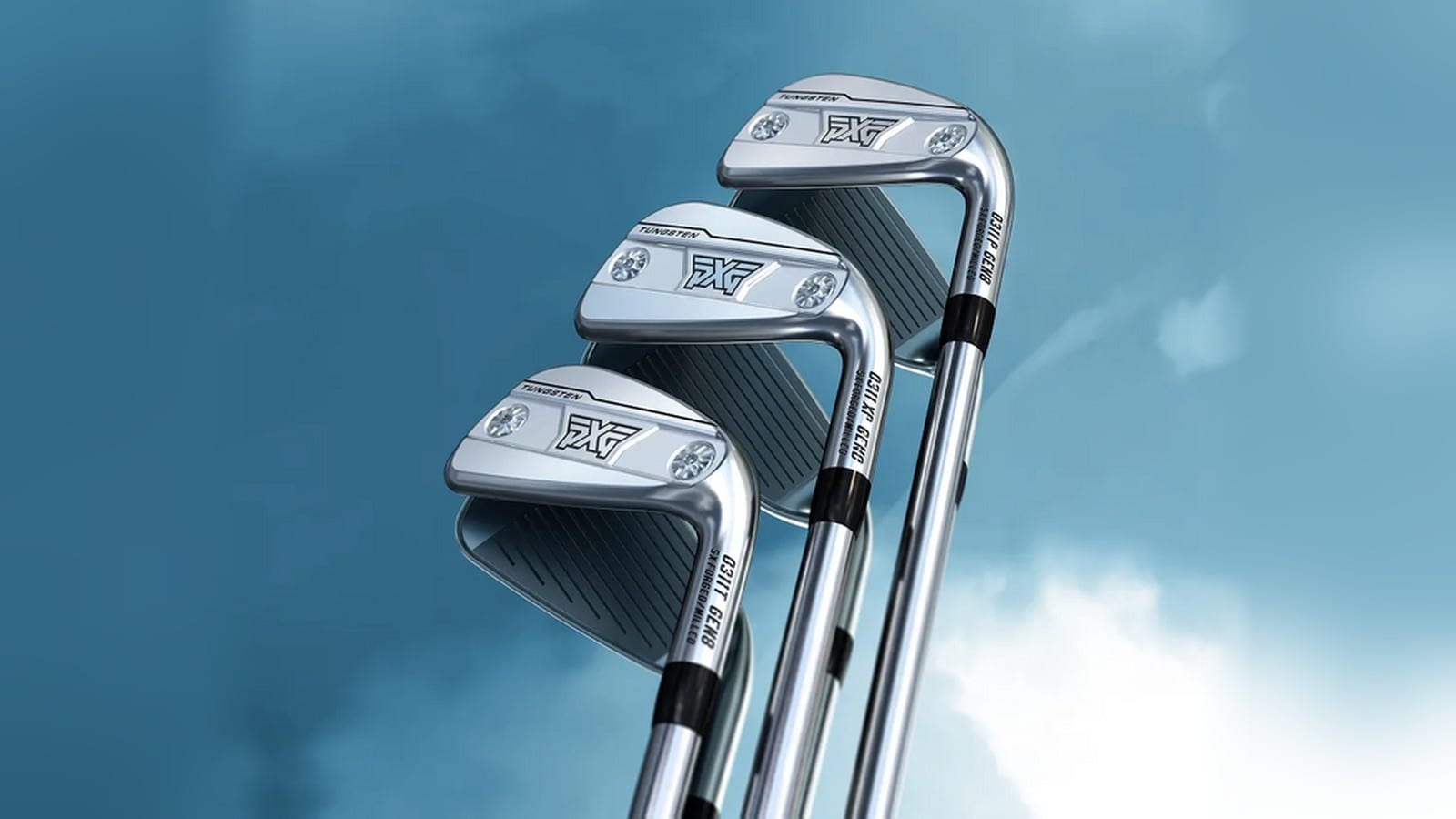
- PXG Irons: 0311 T, P or XP, and Gen6 and Gen7 Have No T PXG 0311 irons come as T, P and XP. Gen8 specs by head, which generations made a T (not Gen6 or Gen7), and how to date a used set by hosel and back weights.
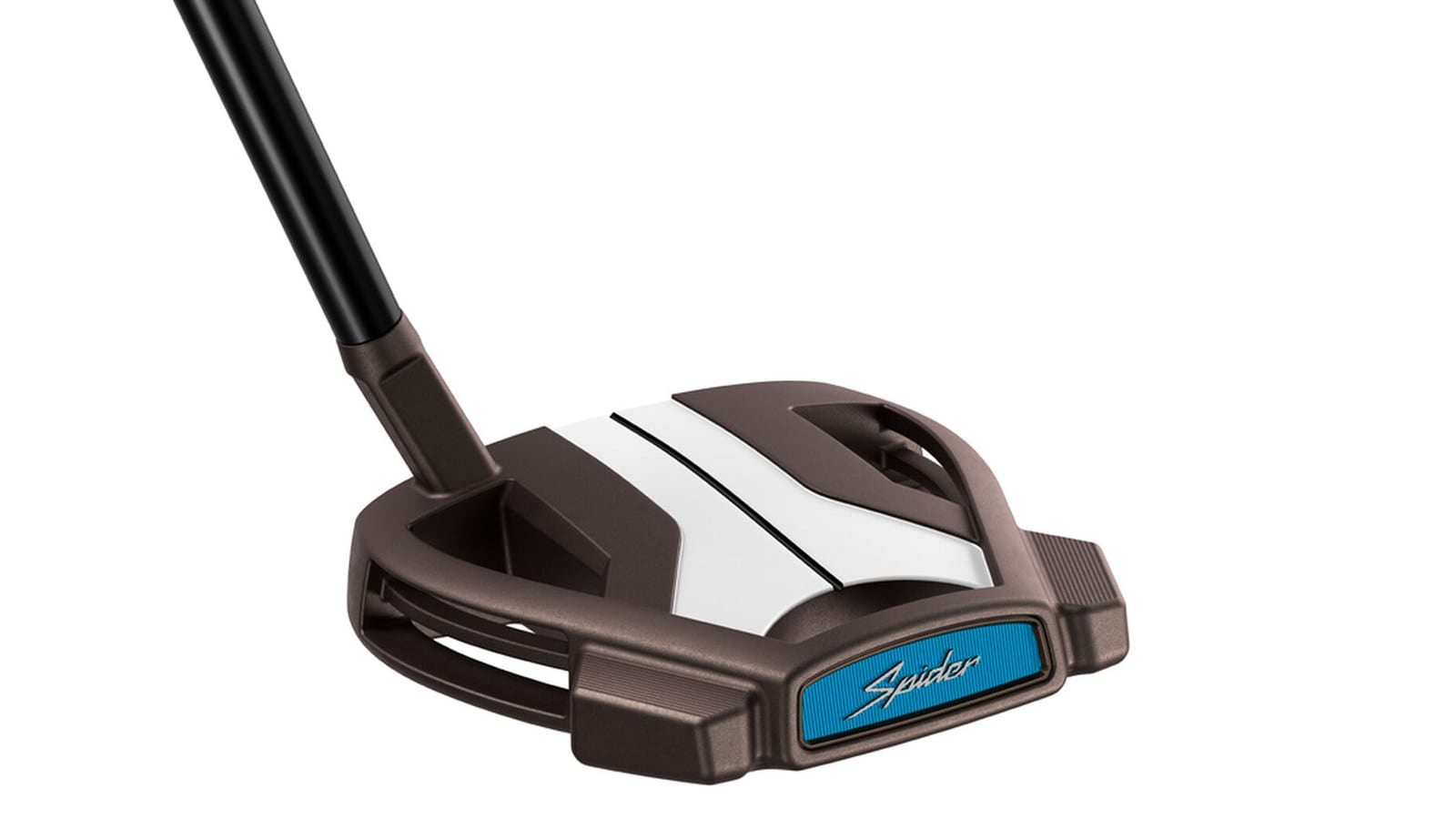
- TaylorMade Spider Tour Putters: The Neck Sets the Toe Hang On a TaylorMade Spider Tour putter, the neck sets the toe hang, not the model name. Toe hang for Tour, X, F and V by neck, and where Spider ZT fits.
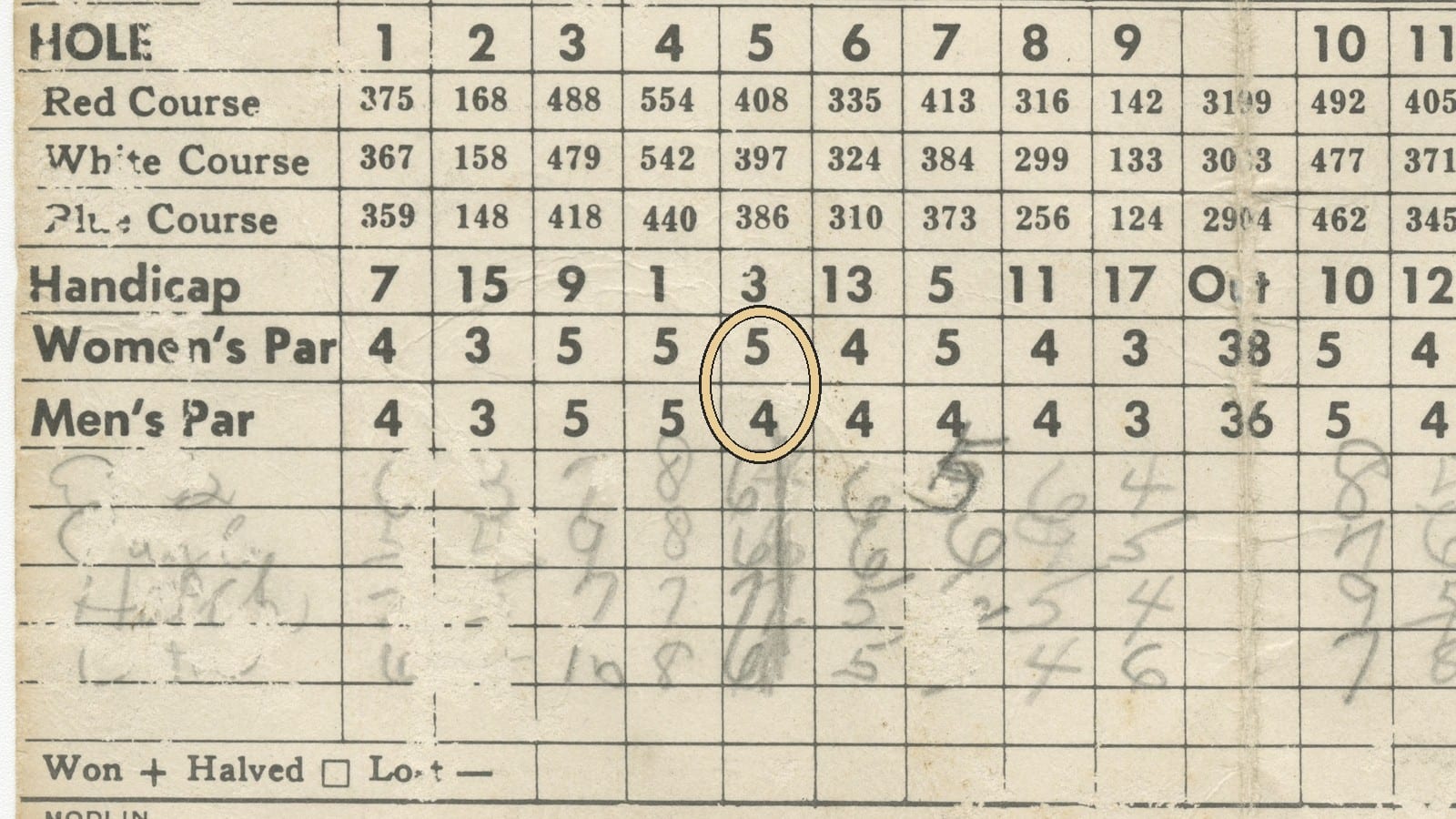
- Golf Scoring Terms: Birdie, Bogey, Eagle Are Counted From Par Golf scoring terms name the gap to par, not the stroke count. Birdie is 1 under, eagle 2 under, bogey 1 over. Plus albatross, condor and the handicap cap.
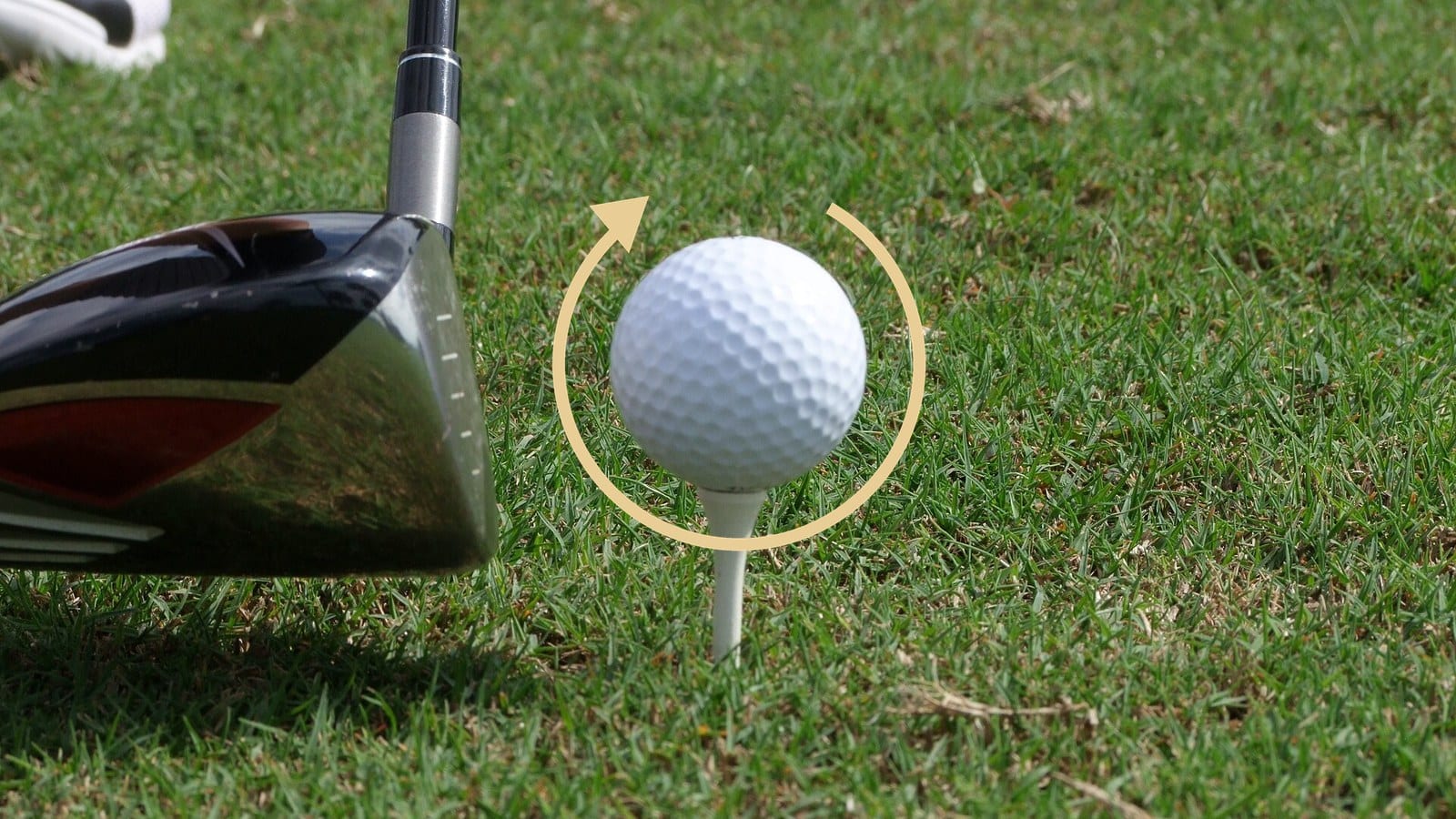
- What Is a Mulligan in Golf? A Do-Over the Rules Don't Allow A mulligan is a free do-over in casual golf. The Rules of Golf charge one stroke instead, and a round with a mulligan generally can't count for handicap.
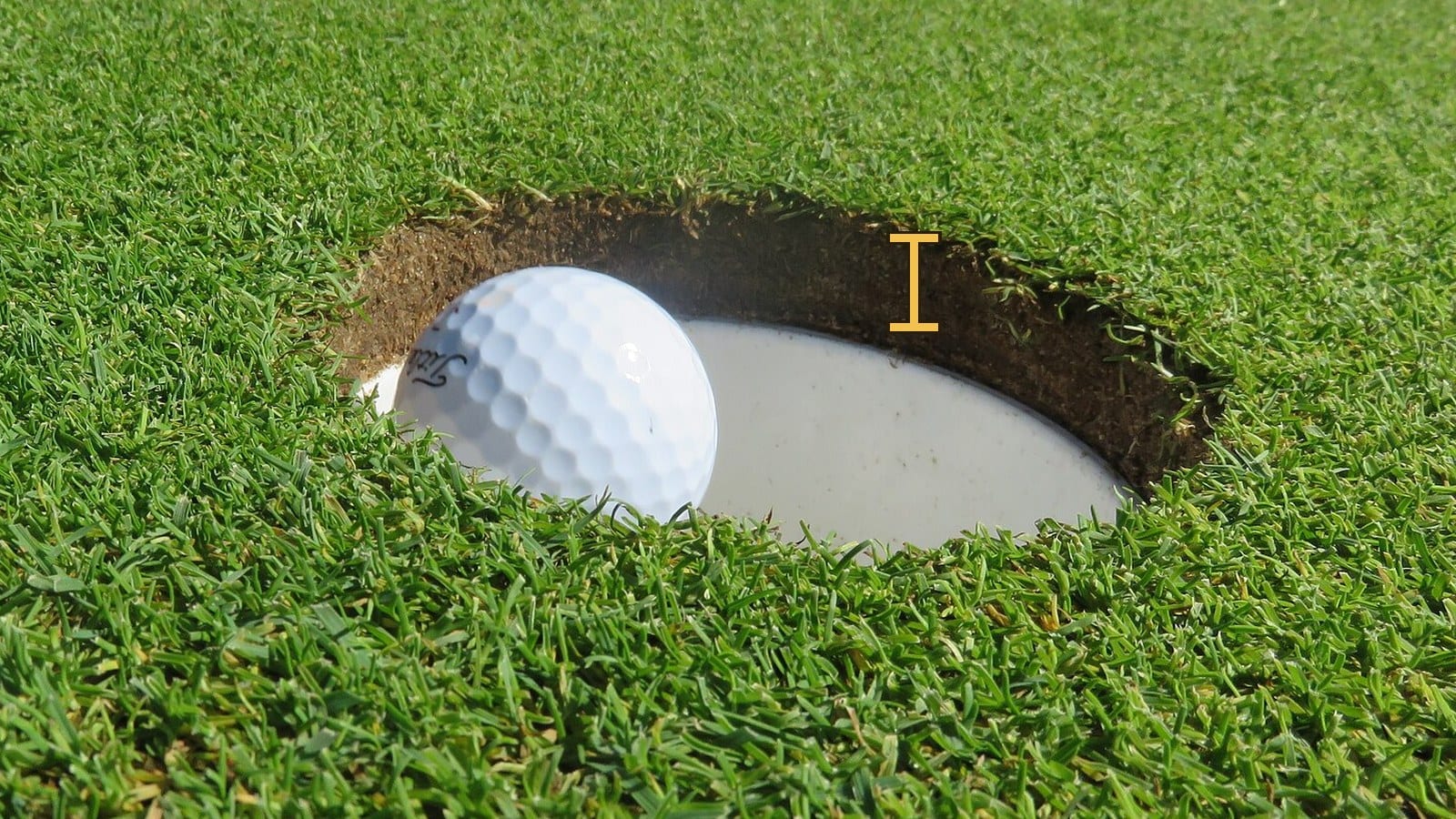
- Golf Hole Size: 4.25-Inch Diameter, at Least 4 Inches Deep A regulation golf hole is 4.25 inches (108 mm) across and at least 4 inches deep. What the rule says about the cup, and where 4.25 inches came from.
- How to Measure Putter Length: Wrist Height Minus 2 Inches Measure your putter from the top of the grip to the sole. For your own length, Odyssey starts at wrist height minus 2 inches, then your eyes at address decide.
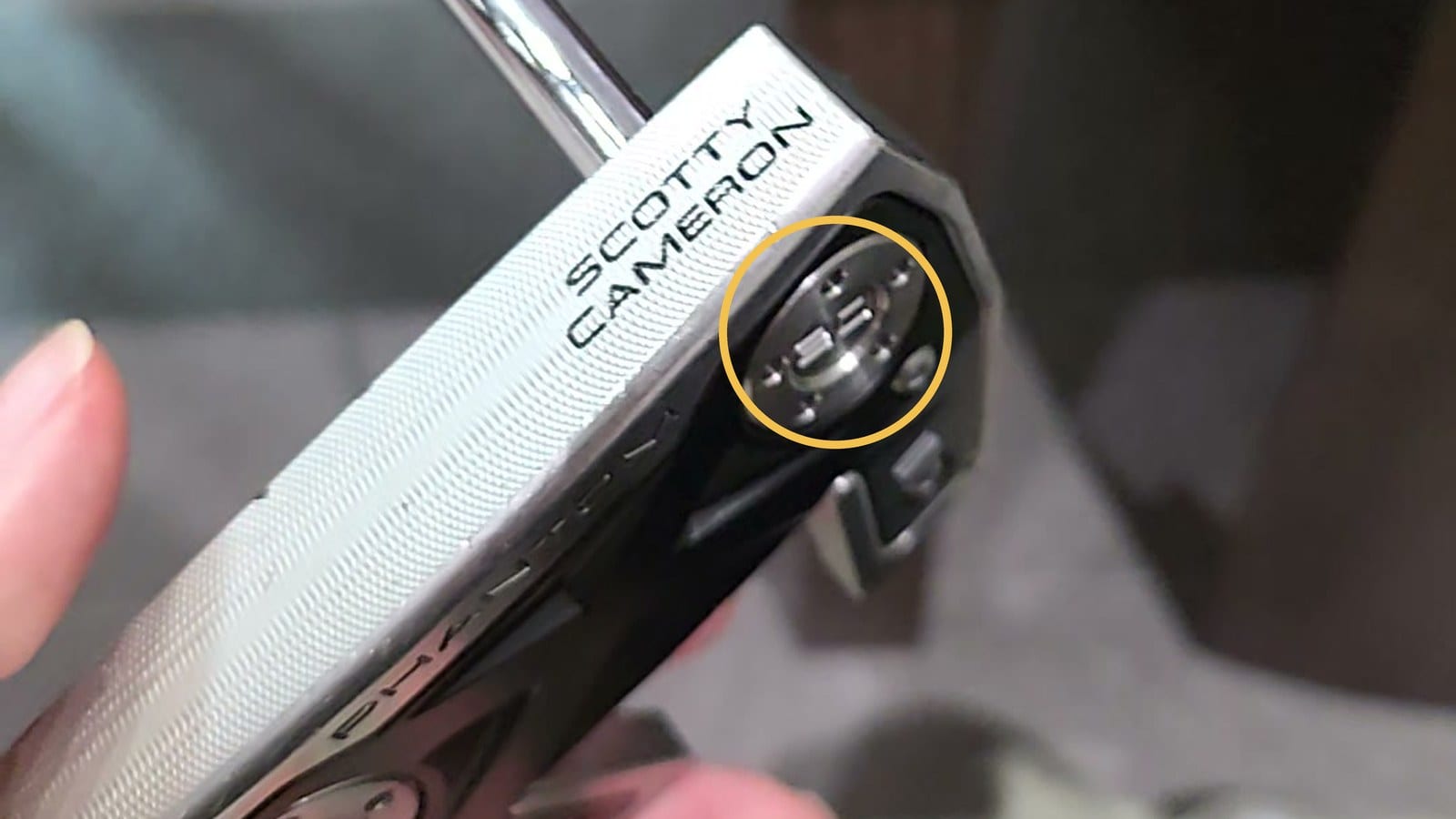
- P770 Lofts by Year: The 7-Iron Never Moved, but the PW Did TaylorMade P770 lofts for 2017, 2020, 2023 and 2024: the 7-iron is 33° and the 8-iron 37° in all four. The 2024 pitching wedge is 45°, every older PW 46°.
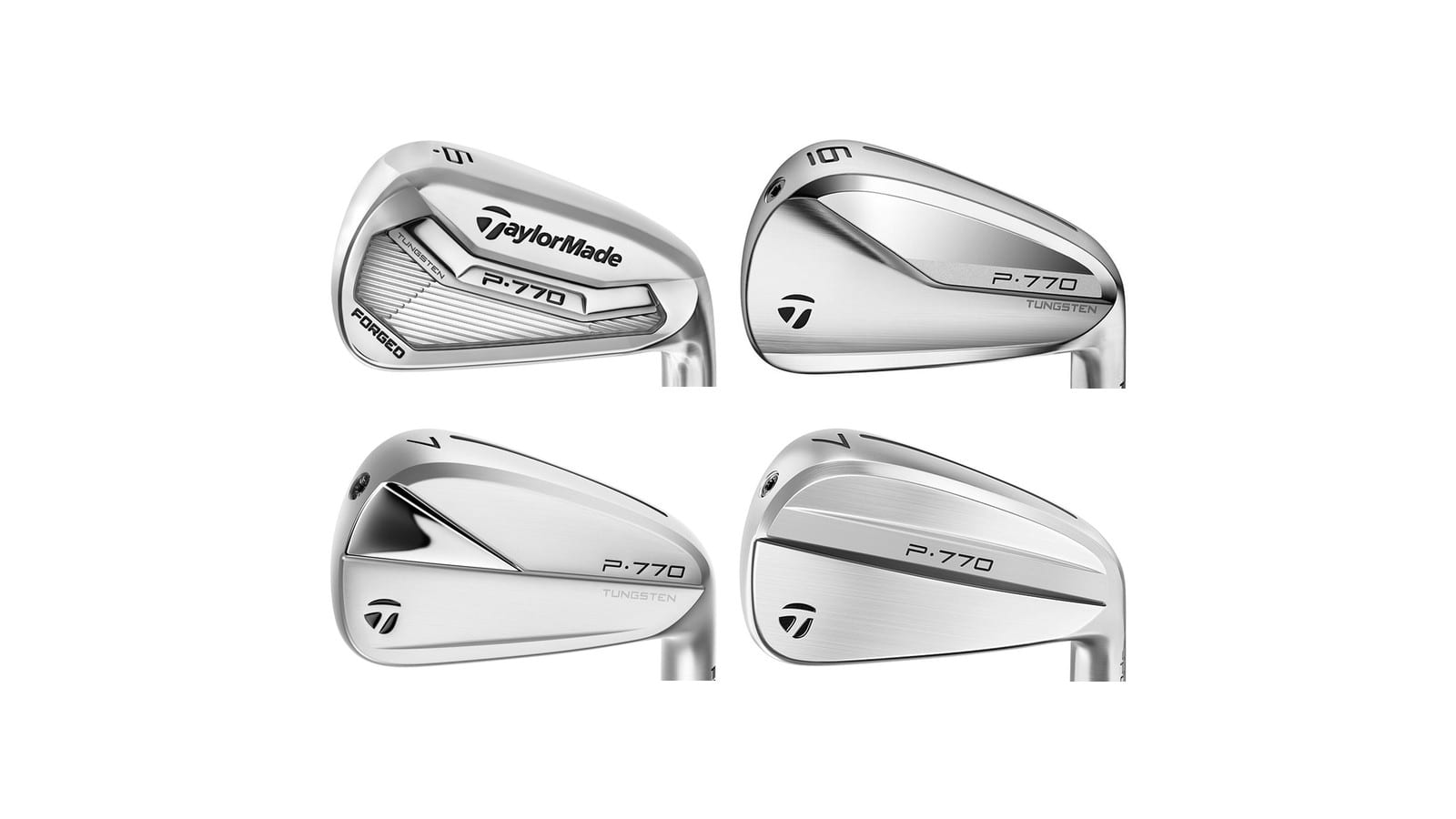
- Tour AD Shaft Chart: Launch and Spin Sort Them, Not Weight At 6S, nine Graphite Design Tour AD wood shafts weigh 63-66 g. Pro's Choice's tables split them by launch and spin: DI and IZ high, VF lowest, CQ most spin.
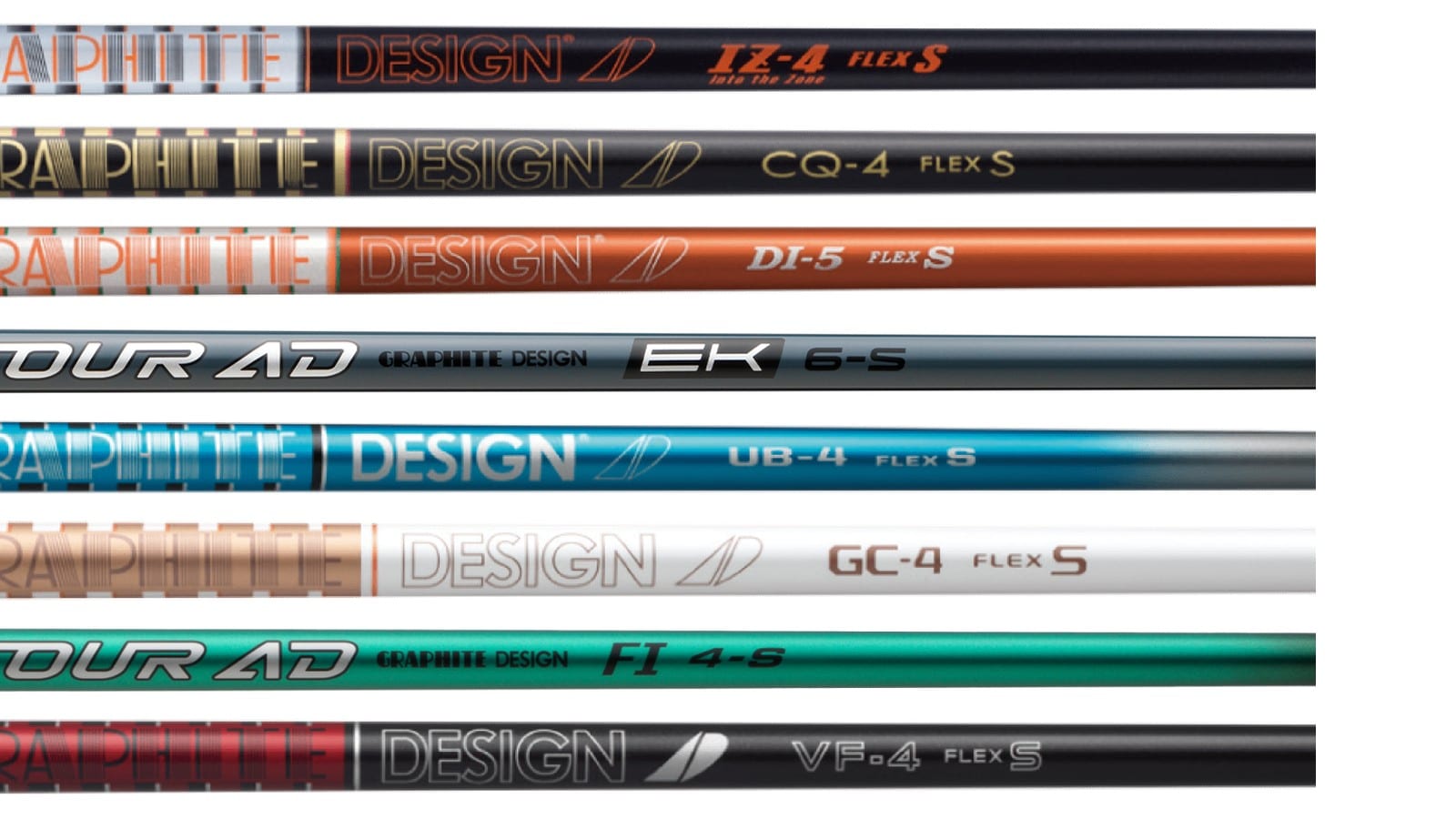
- Dynamic Gold S200 vs S300: Same Stiff Flex, 3 Grams Apart S200 and S300 are both stiff Dynamic Gold. True Temper lists 127 g vs 130 g and rates both Low spin, Low trajectory. Match the shafts already in your set.
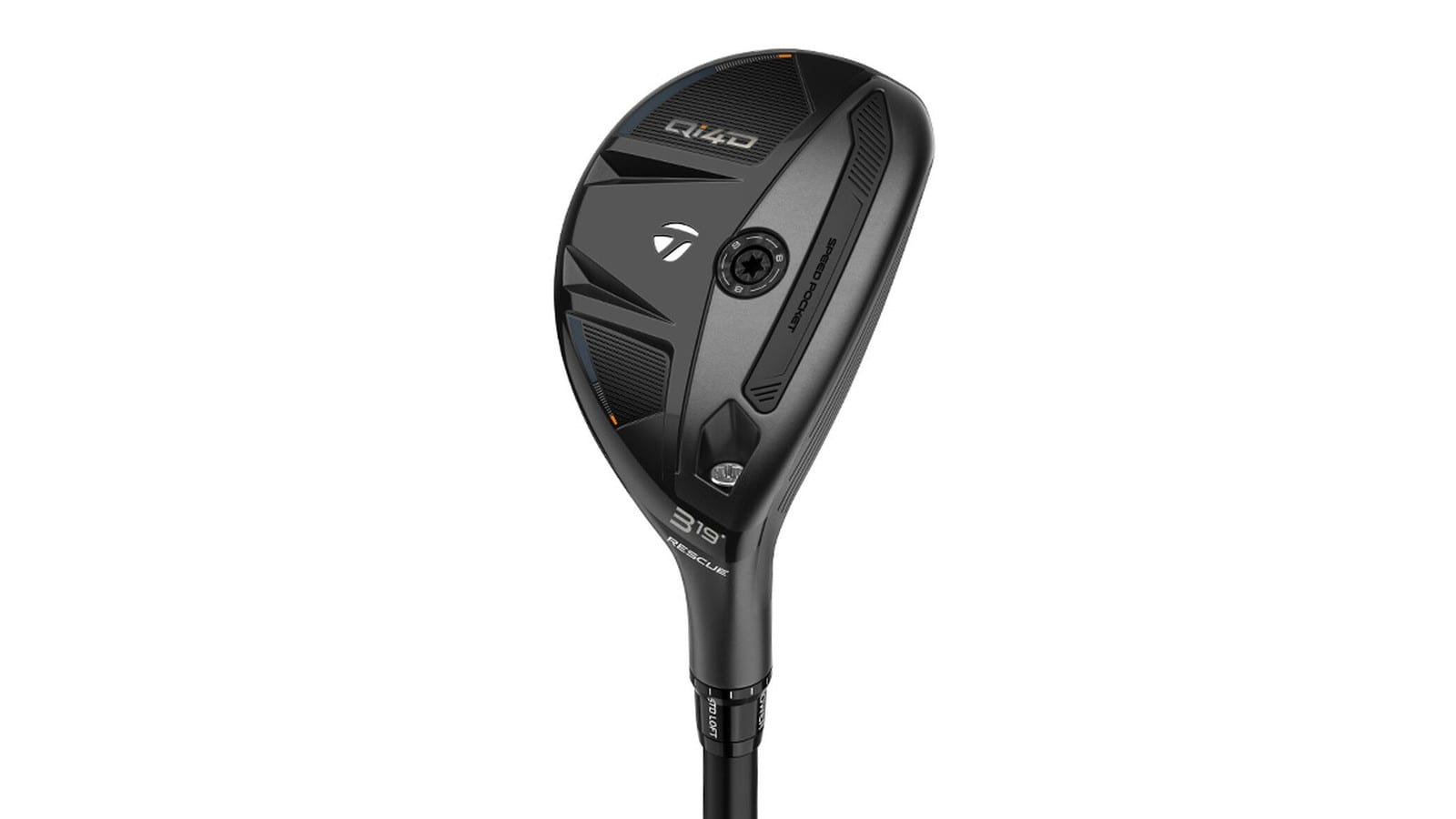
- TaylorMade Hybrid Adjustment Chart: Max Rescues Don't Adjust Only the standard Qi4D and Qi35 Rescue have a loft sleeve; Max and Max Lite are bonded. TaylorMade's Qi10-era Rescue chart: 12 settings, 11 more upright.
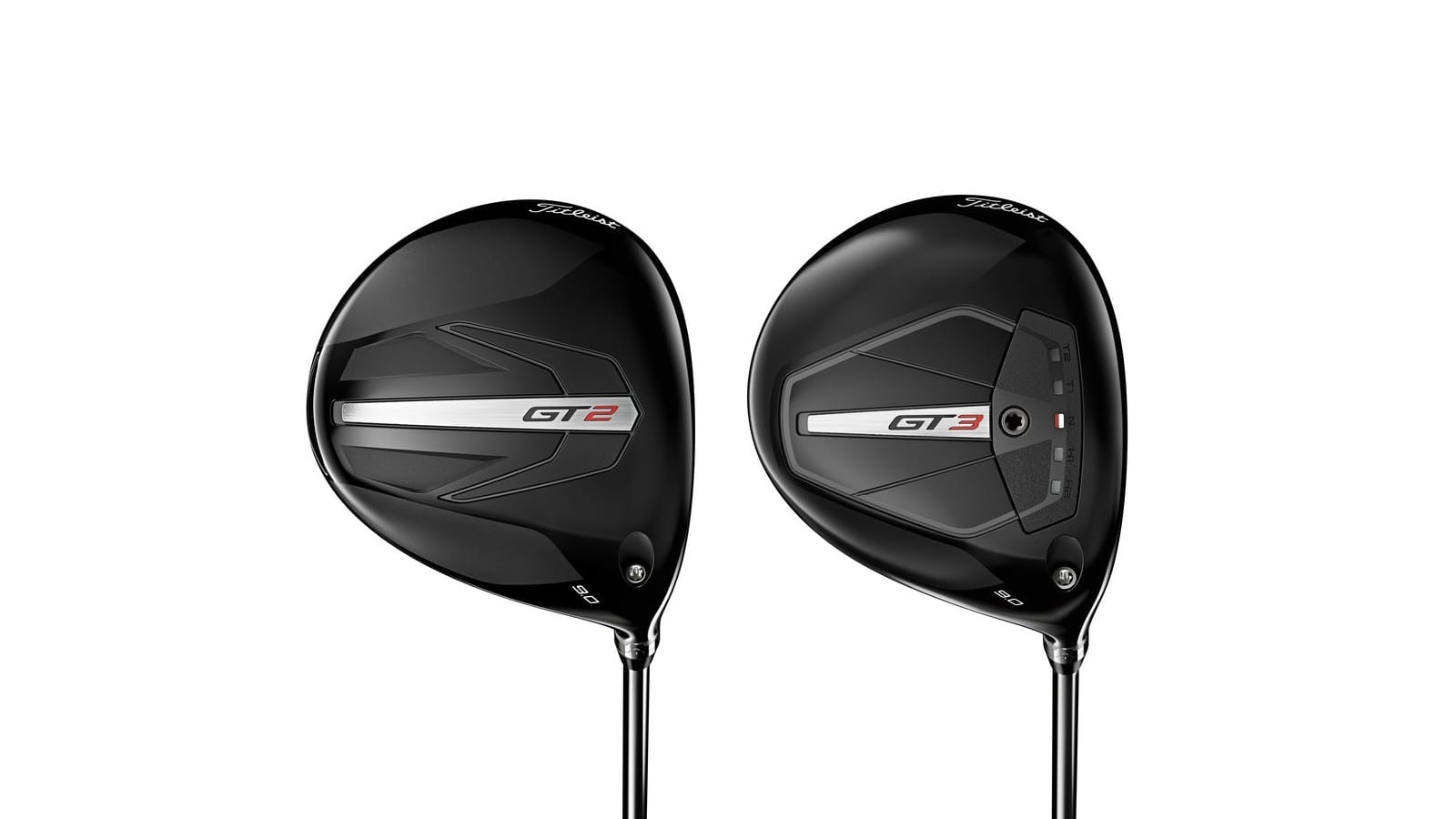
- Titleist GT2 vs GT3: Which One Fits Your Swing Speed? With GTS out, Titleist Certified lists a new GT2 or GT3 at $449. Over 105 mph, GT3 ranked 3rd of 42 in MyGolfSpy's test. Robot data shows the spin trade-off.
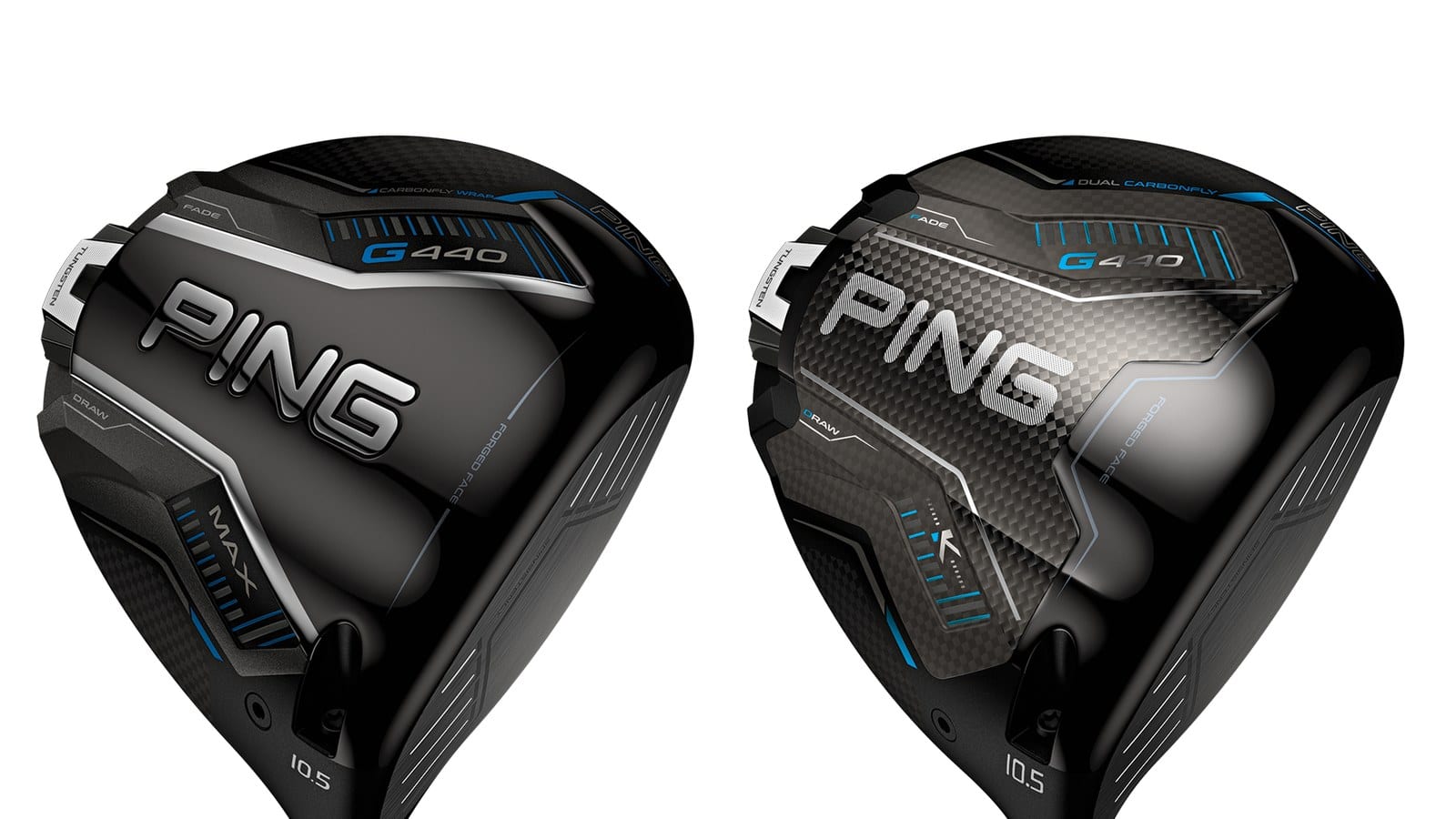
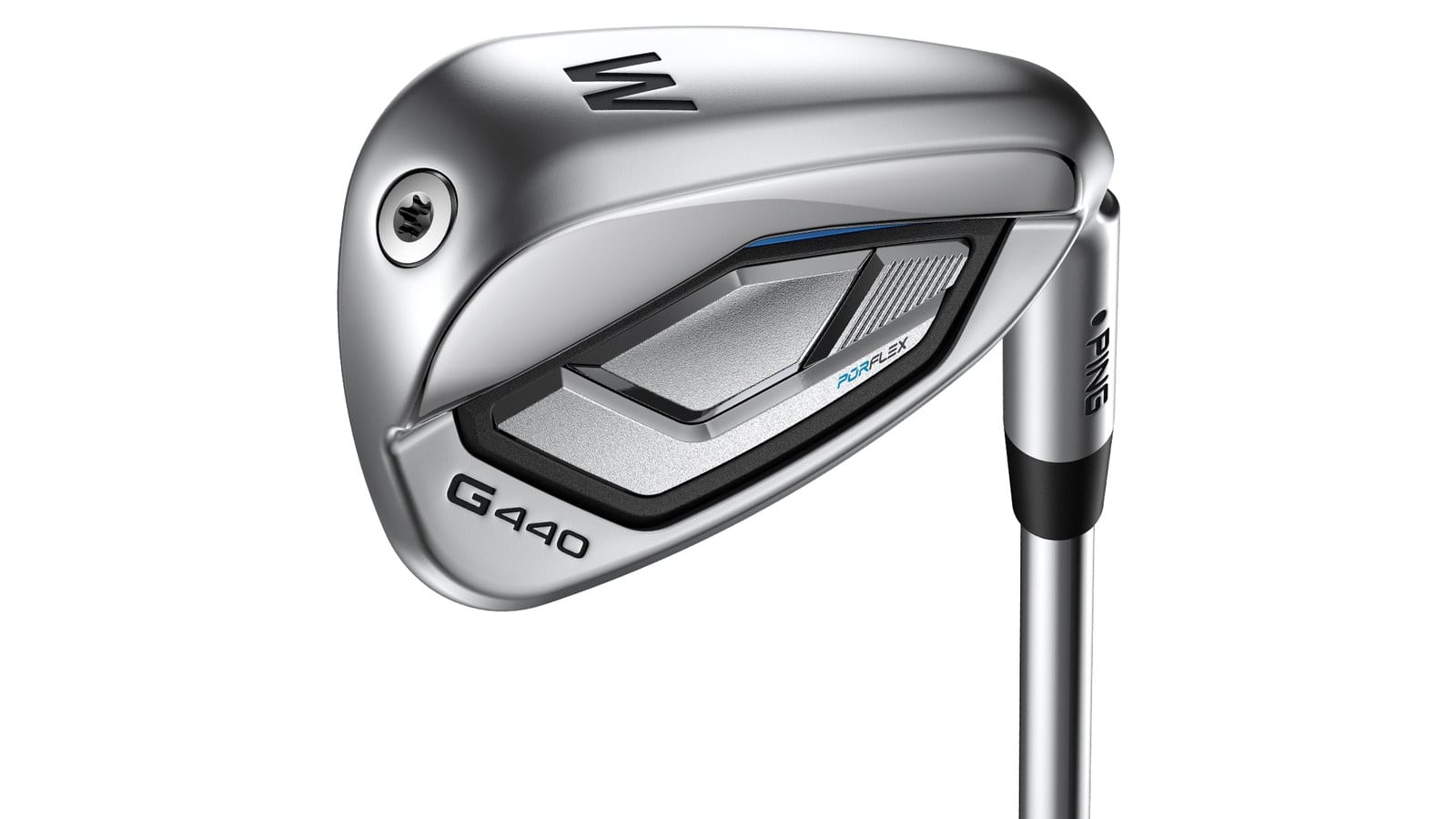
- Ping G440 MAX vs K: Same Spec Sheet, but MAX Carried Farther Ping G440 MAX vs K: PING's spec tables match line for line. In Golf Digest's robot test the MAX carried 4.4 yards farther; the K spread 2 yards narrower.
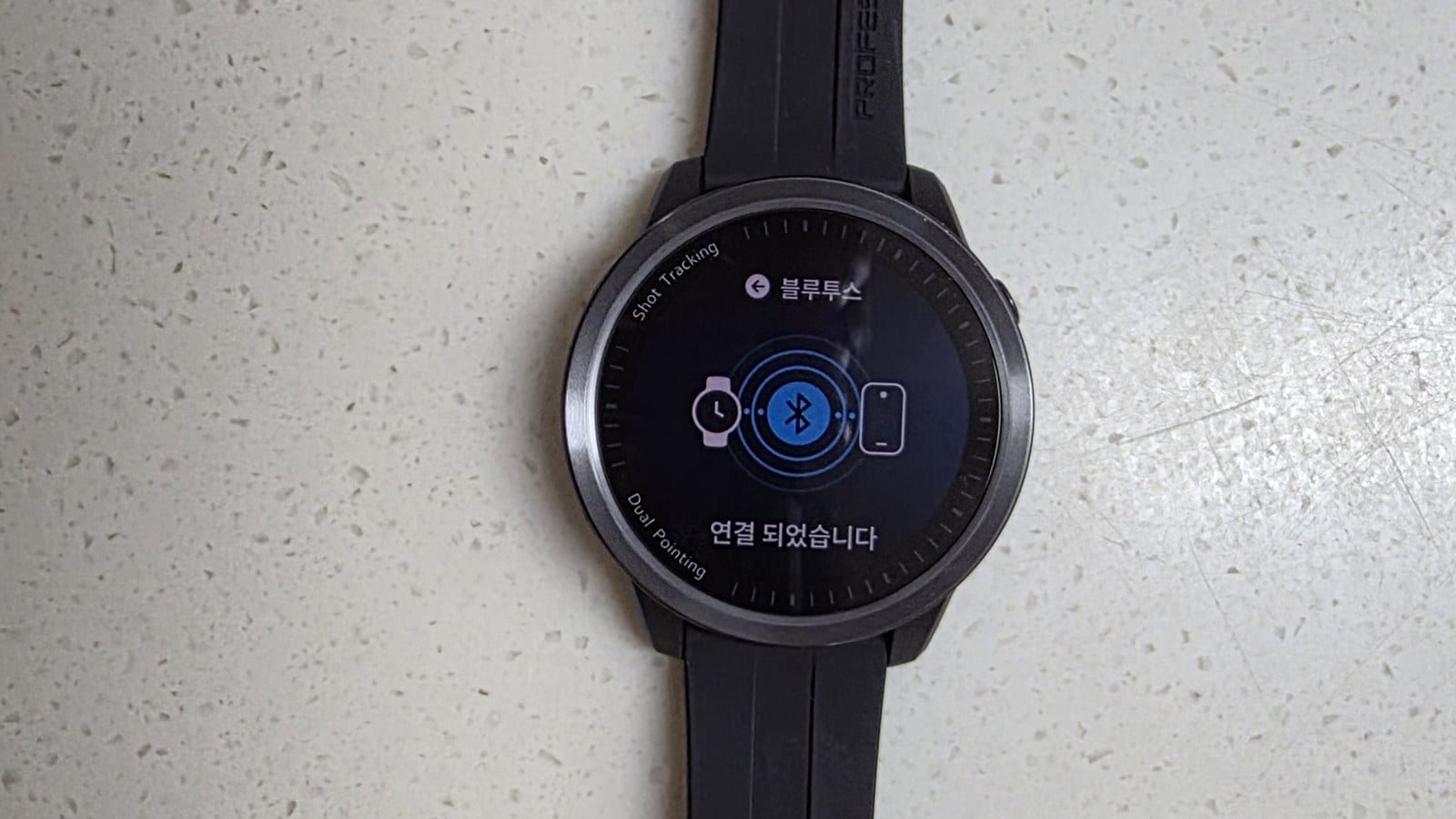
- Voice Caddie T12 Pro Review: The Laser Became Optional My Voice Caddie T12 Pro review after six rounds as a laser owner: green slope view, Auto Pin Location, battery, and when I still reach for the laser.
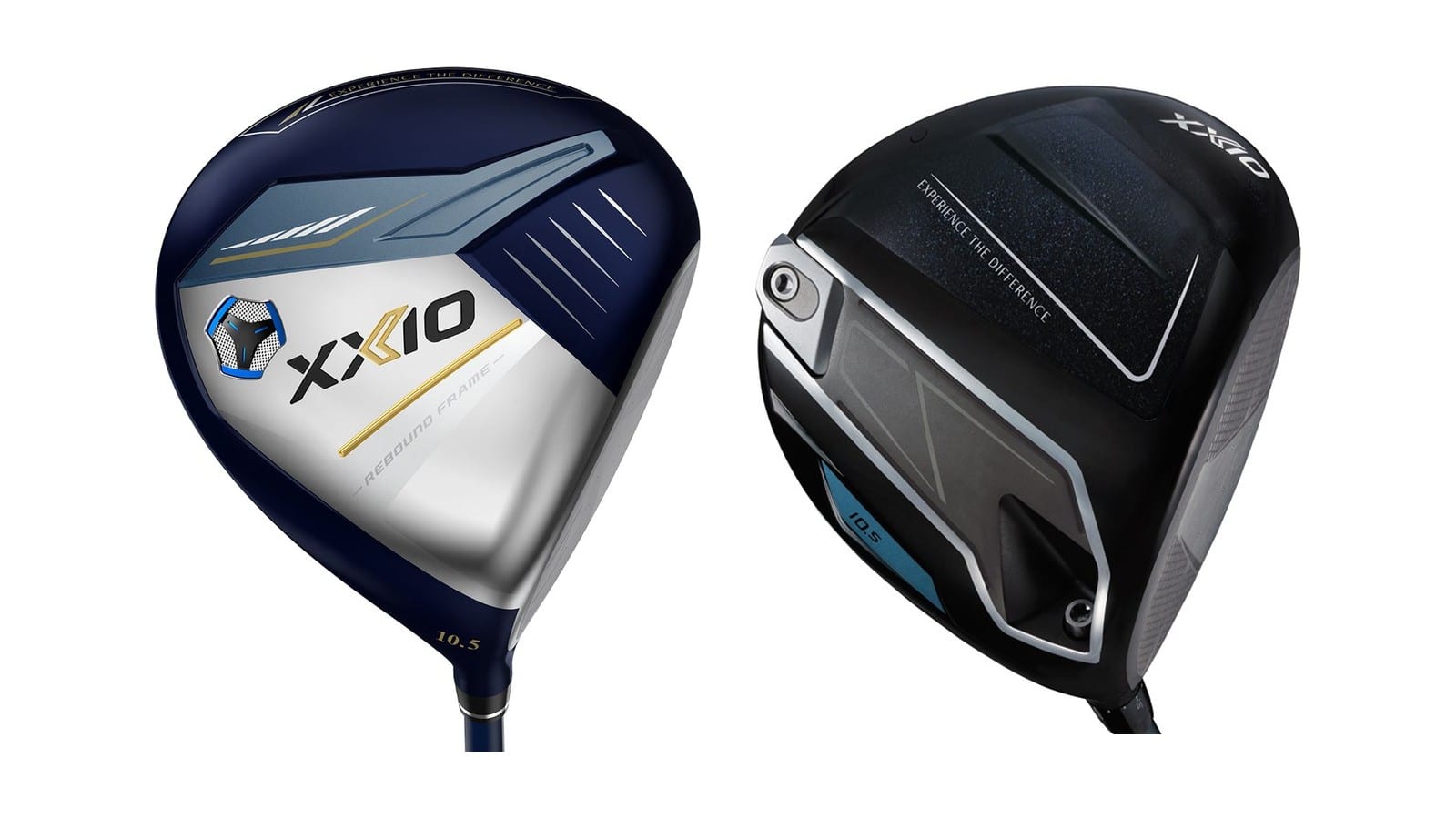
- XXIO 13 vs 14 Driver: Same Weight, 1.5° Less Real Loft XXIO 13 vs 14 driver: weight (284 vs 282 g) and R-flex swing speed range match. The 14's 10.5° head measures 1.5° less loft and adds a ±1.5° sleeve.
- 7 wood loft and distance: 21°, and why Scheffler carries one Most 7-woods are 21°. A solid one goes 163 yards at a 25 handicap and 200 at a 5 in Shot Scope's data. Why Scheffler carries one, and whether you need one.

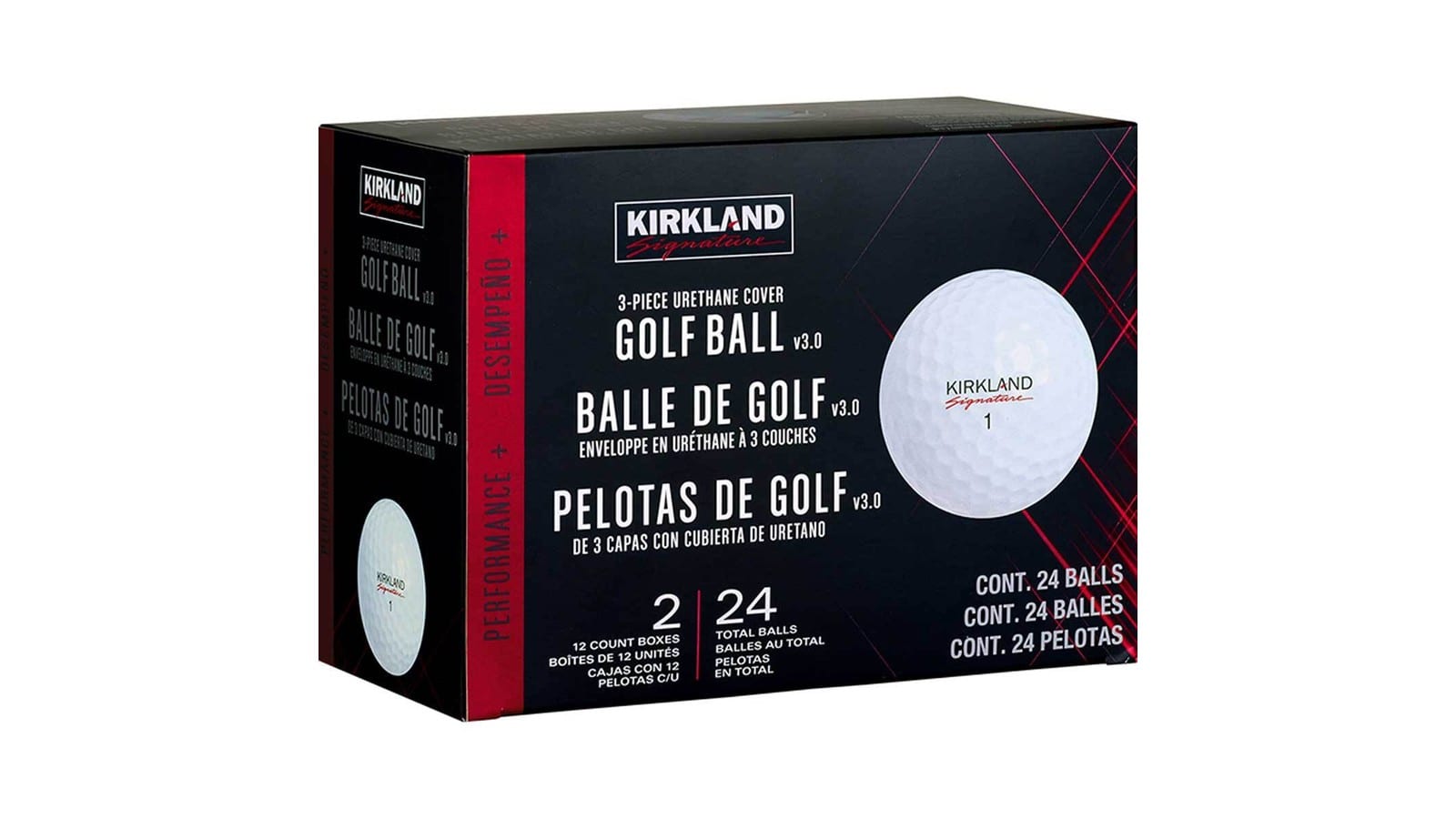
- Are Kirkland Golf Balls Good? Yes, as a Lost Ball Upgrade Kirkland golf balls are 3-piece urethane balls, under $2 a ball in 2025 and 2026 reviews. The newest version tested near tour balls. The catch: uneven compression.
- 48 Degree Wedge: You Need One Only If Your PW Is 42-44° A 48 degree wedge is the first wedge under a 42-44° pitching wedge. At 45-46°, a 50 fits better. At 47-48°, a 48 is your PW. How to check your set first.
- PING Iron Loft Chart: G410, G425 Same; G430, G440 Stronger PING G400, G410 and G425 irons share one loft chart (PW 44.5°). The G430 cut the PW to 41° in 2023; the G440 set it at 42°. G7xx included.
- Callaway Hybrid Adjustment Chart: Elyte Has 7 Settings, Not 8 Callaway hybrids use two charts. Read your hosel: -1, S, +1, +2 with N or D is the older 8-way chart; plus and minus marks mean Elyte and Quantum's 7 settings.
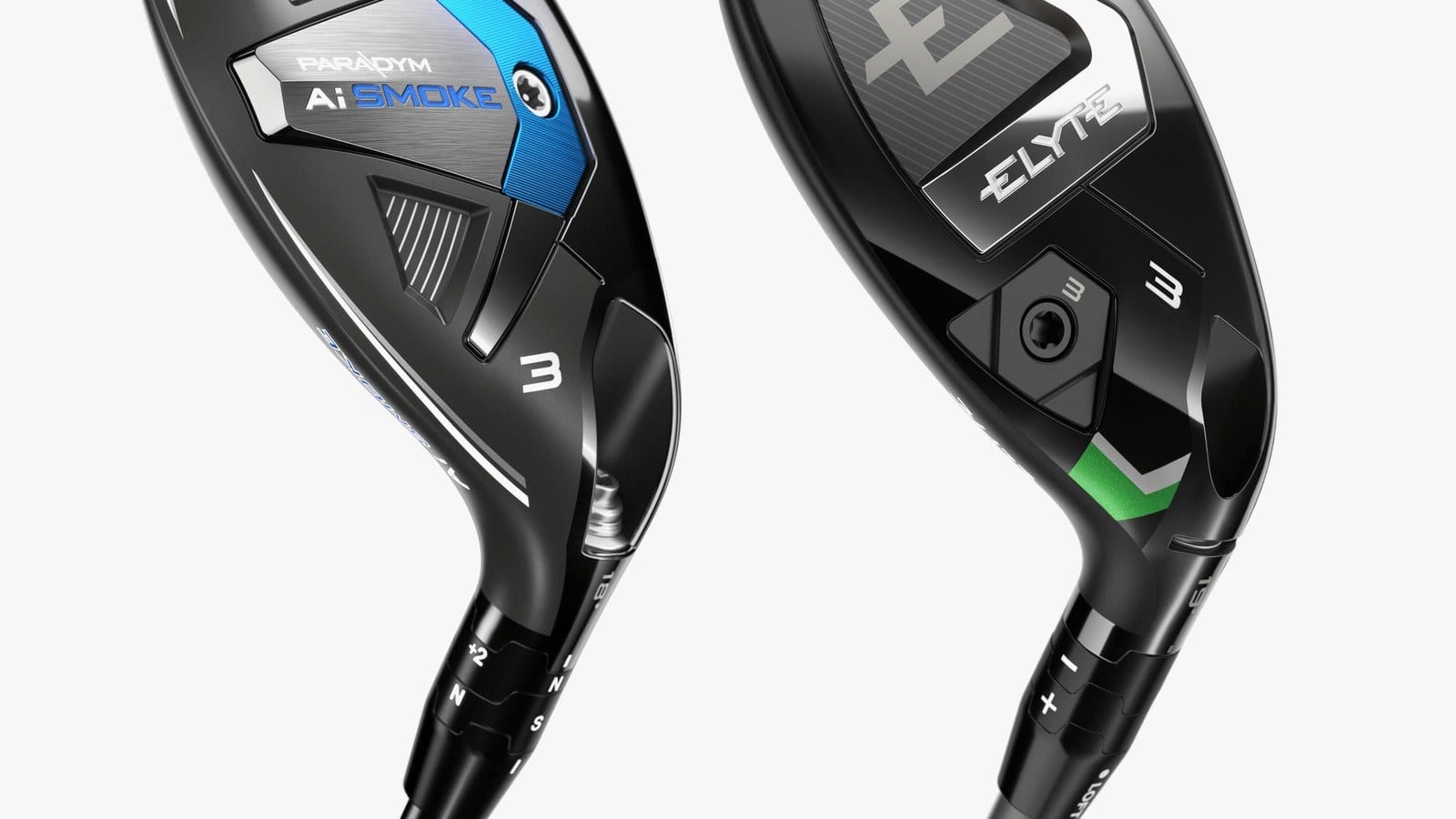
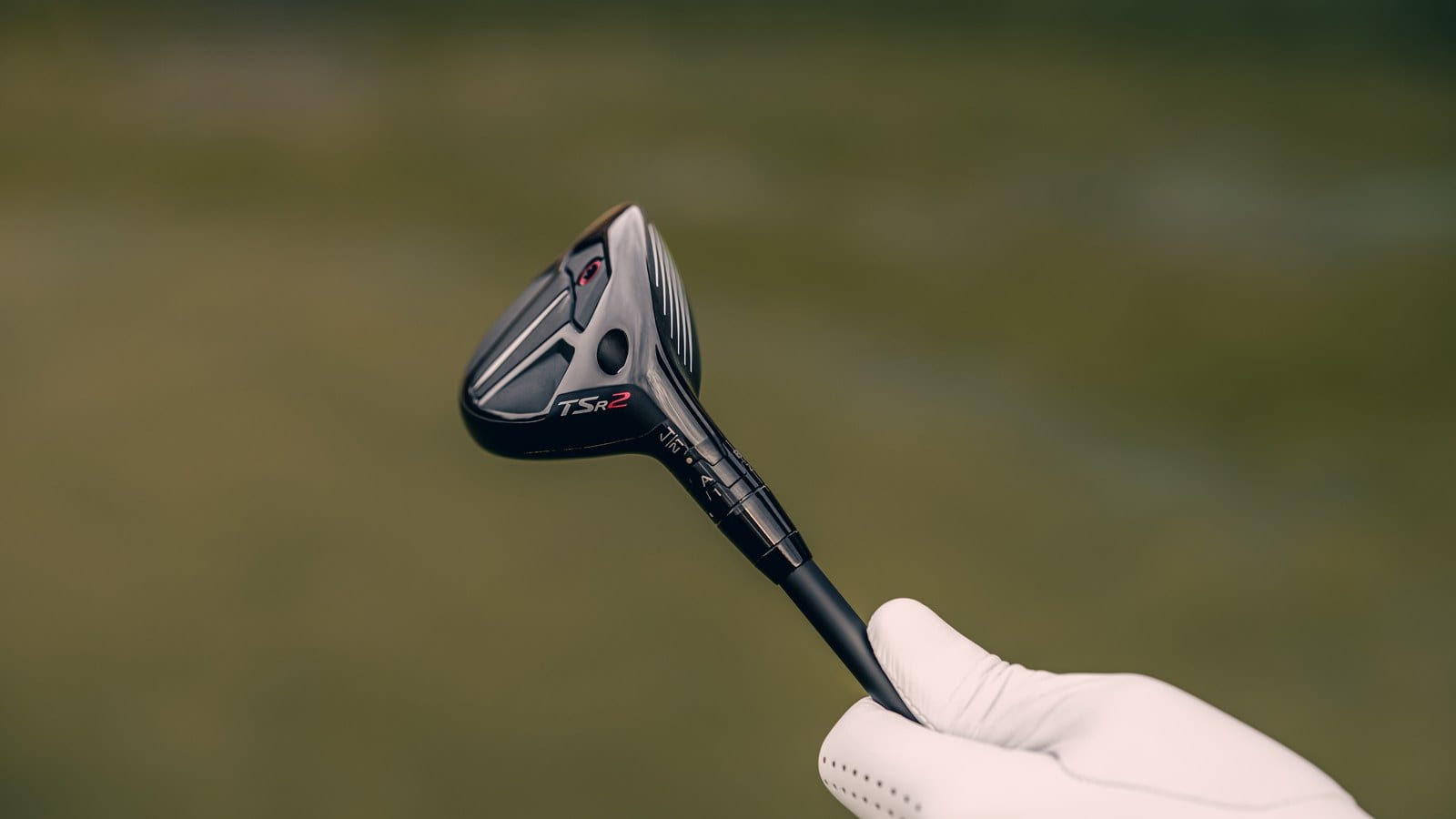
- Titleist Hybrid Adjustment Chart: All 16 Settings, A1 to D4 Titleist hybrid settings, A1 to D4: loft and lie for all 16 SureFit cells, the left-handed grid, which sleeves move 1 degree, and which cell fits your miss.
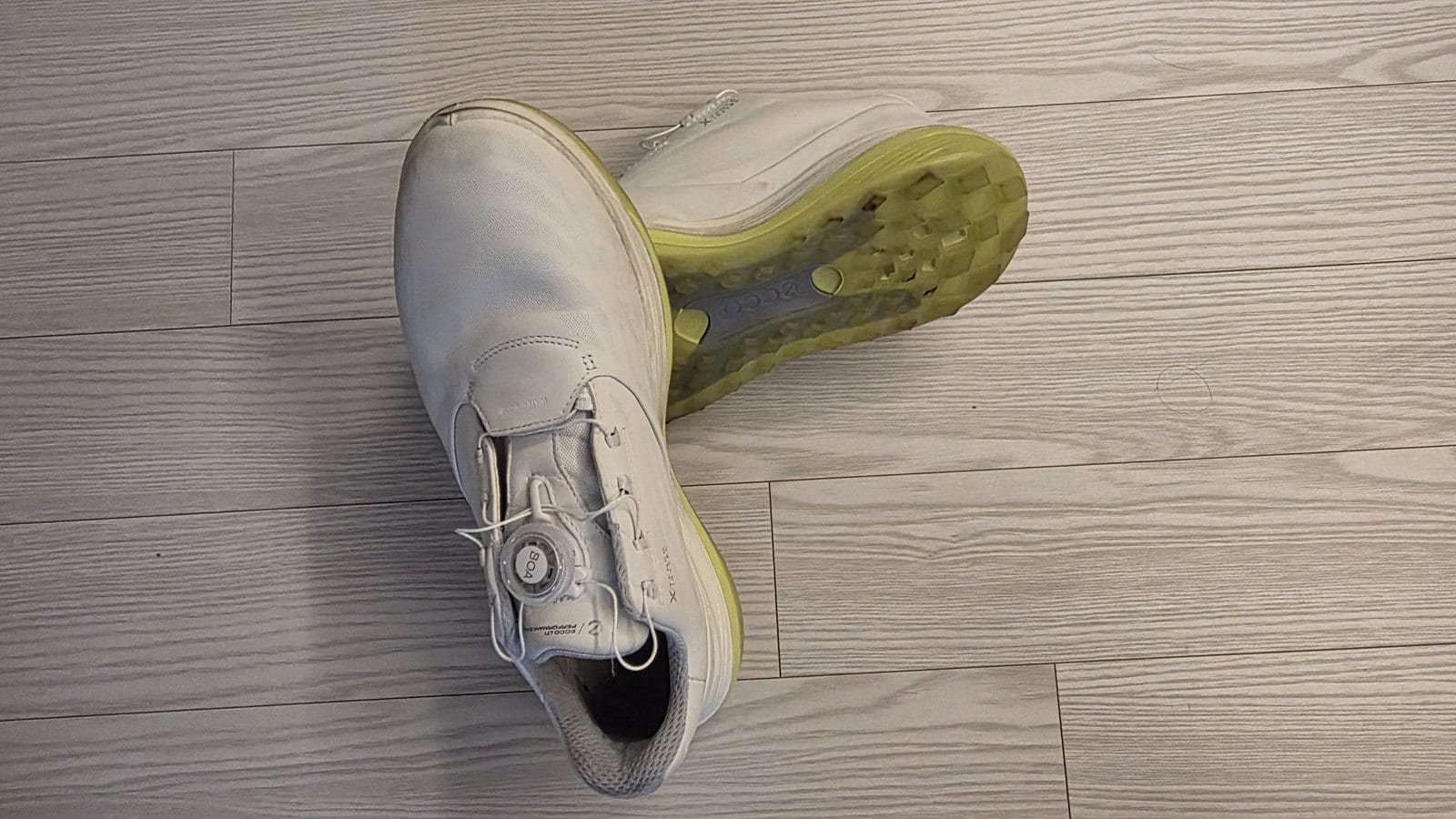
- ECCO LT1 golf shoes review: comfy on mats, unproven on grass My ECCO LT1 golf shoes review: very comfortable for simulator and range golf. Specs vs the S-Three, plus what testers found on wet grass and sizing.
- Lost golf ball grades: a low grade is fine, refinished isn't Lost golf ball grades aren't standardized, and tests found clean used balls play close to new. Refinished balls flew shorter. Here's which grade to buy.

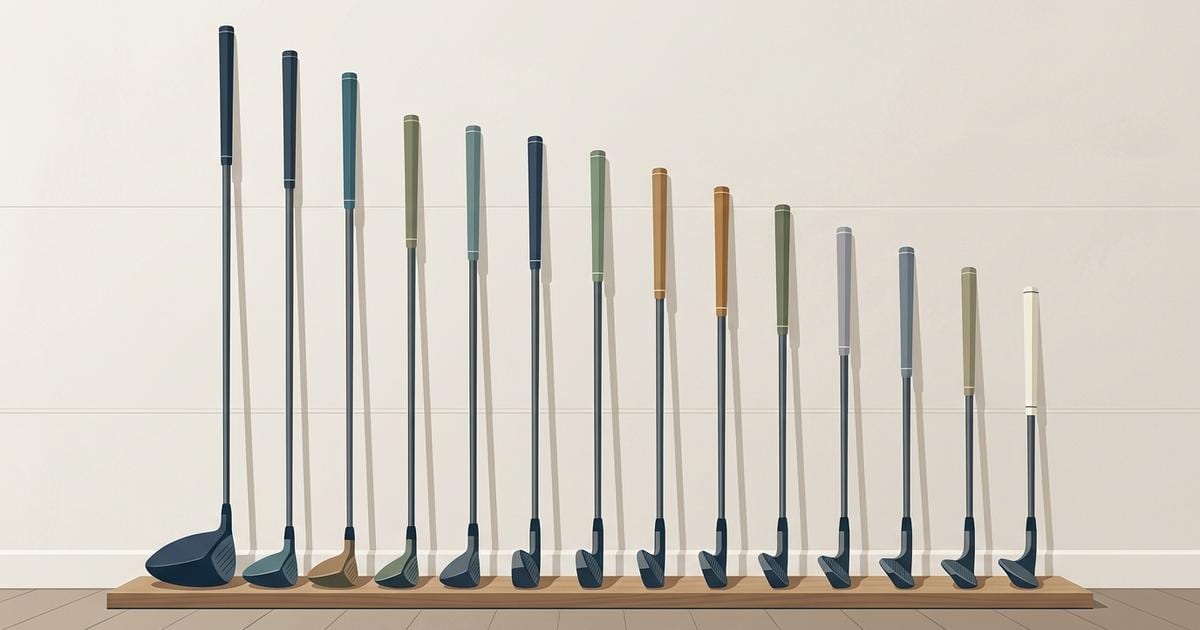
- Golf club length chart: standard lengths, and who needs longer or shorter Titleist's standard lengths from driver to wedge, driver and 7-iron lengths from six makers, the height charts behind longer or shorter clubs, and how makers size a putter.
- How to calculate golf handicap: best 8 of your last 20 A Handicap Index averages your best 8 Score Differentials from your last 20 rounds. The formula, a worked example on two real courses, and how to get one.

- How many clubs in a golf bag: up to 14, with no minimum The rules allow up to 14 clubs and set no minimum. The eight boxed sets I checked hold 7 to 11. Here's what a 15th club costs and how a beginner picks a number.
- 4 iron loft and distance: 18.5-23°, and when to skip it Current 4-irons run 18.5-23°. No readable source gives an amateur distance average, and tracked data favors a 4-hybrid for most golfers.

- 5 wood loft and distance: 18°, and when it beats a 3-wood Most 5-woods are 18°, and a solid one goes 167 to 232 yards by handicap in Shot Scope's data. See when it can replace your 3-wood and how it compares with a 3 hybrid.

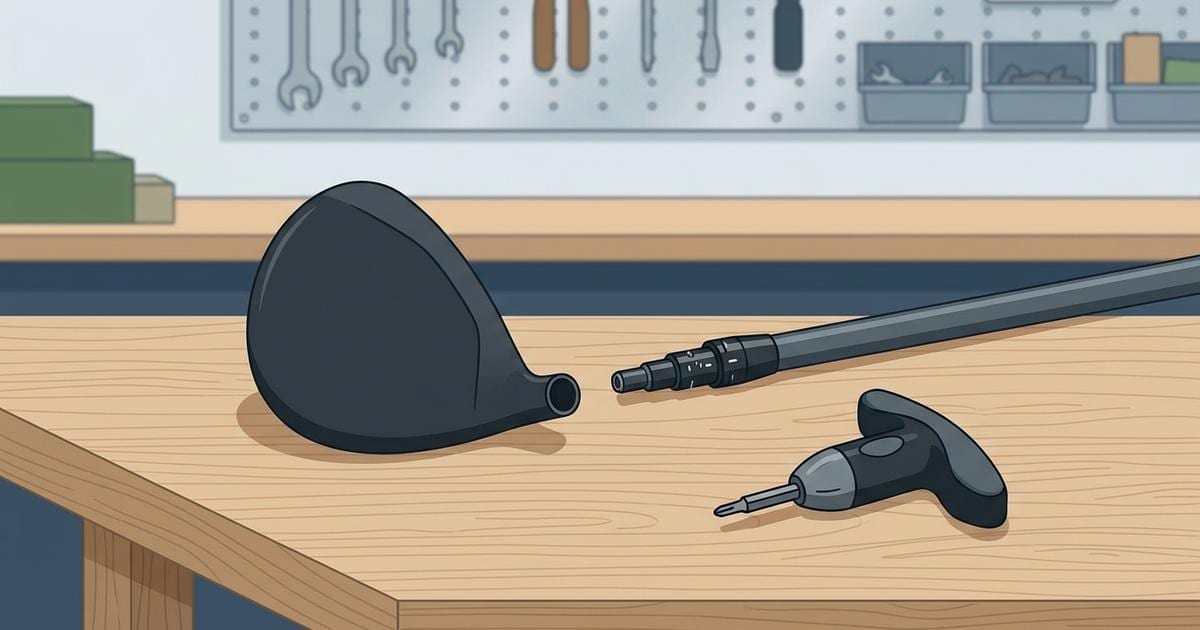
- Driver shaft replacement: check the head, then 3 prices Before a driver shaft replacement, check whether the head is the real problem. Then it's a wrench swap, a new sleeve or a new shaft, each with its own price.
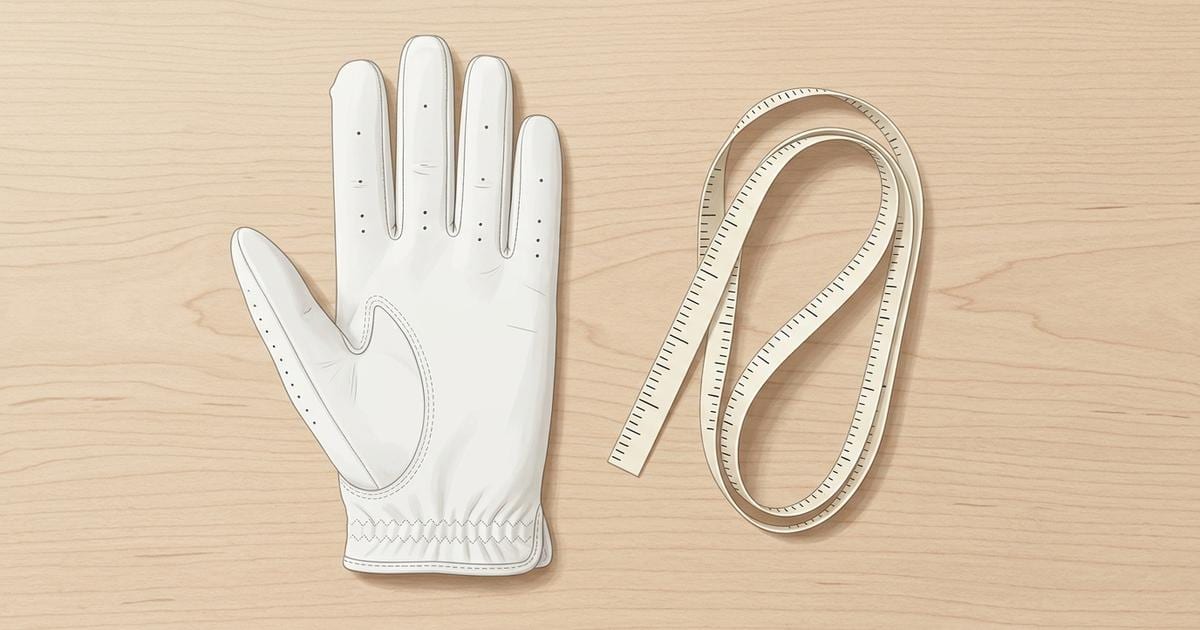
- Golf glove size chart: measure your palm, try smaller first Measure around your palm, check the brand's chart, and try the smaller size first if you're between two. Letter and numbered (22) sizes, fit checks, cadet gloves.
- 3 hybrid loft and distance: 18-20°, check your 4-iron first A 3 hybrid is 18-20°, and in Arccos's data it only matches a 3-iron's distance from about 17 handicap. Check your 4-iron's loft first.

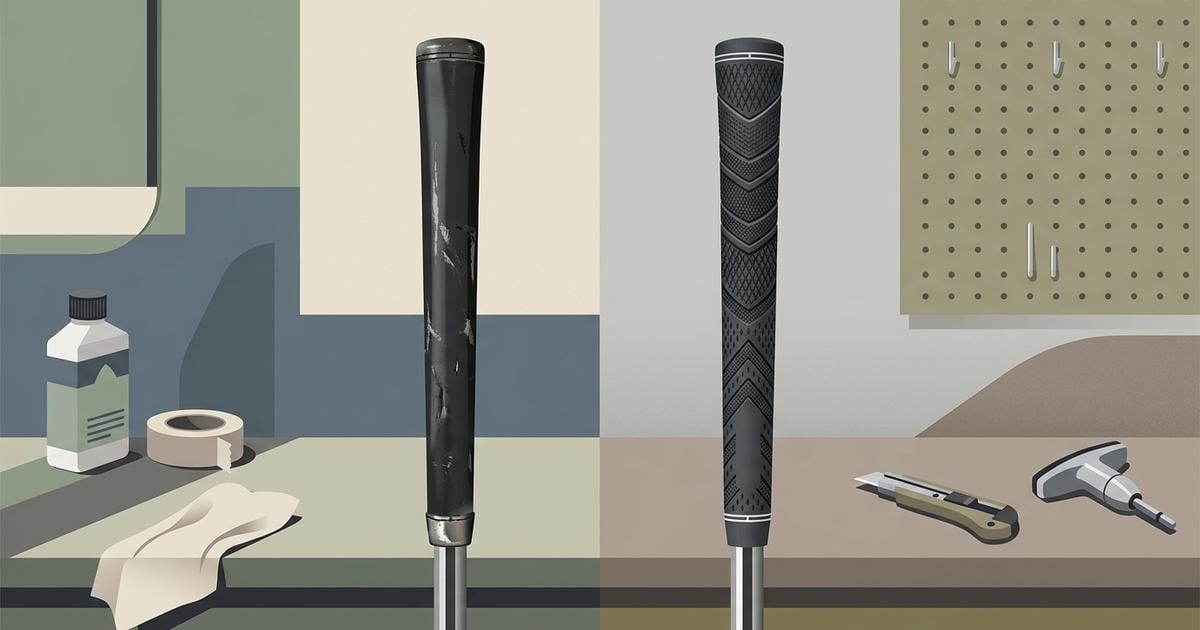
- Golf grip replacement: once a year, and not all 14 clubs Replace golf grips when they feel slick or look shiny, and check them once a year. What it costs in the US and Korea, DIY or shop, and which clubs to do first.
- 3 wood loft and distance: 15°, and when to carry a 5-wood Most 3-woods are 15°, and a typical tracked amateur hits one 203 to 214 yards. Who keeps a 3-wood for tee shots, and who's better off with a 5-wood?
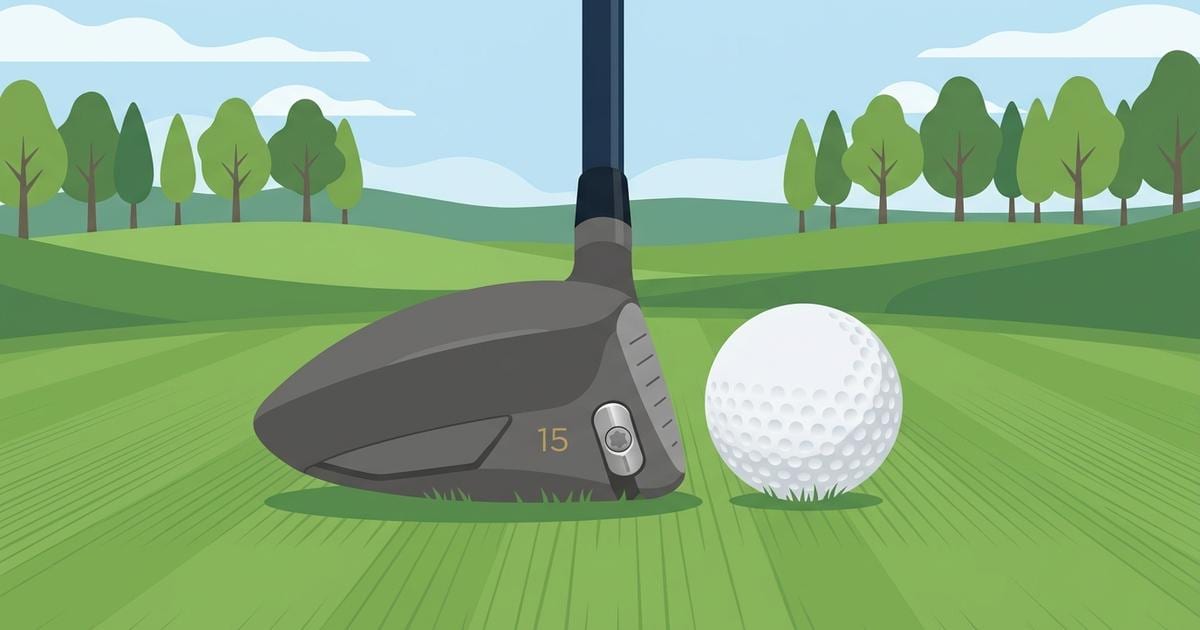
- Golf club loft chart: read your clubs by degree, not number Loft ranges for every wood, hybrid, iron and wedge label from published specs, where one loft wears three numbers, and how to fill a bag gap by degree.
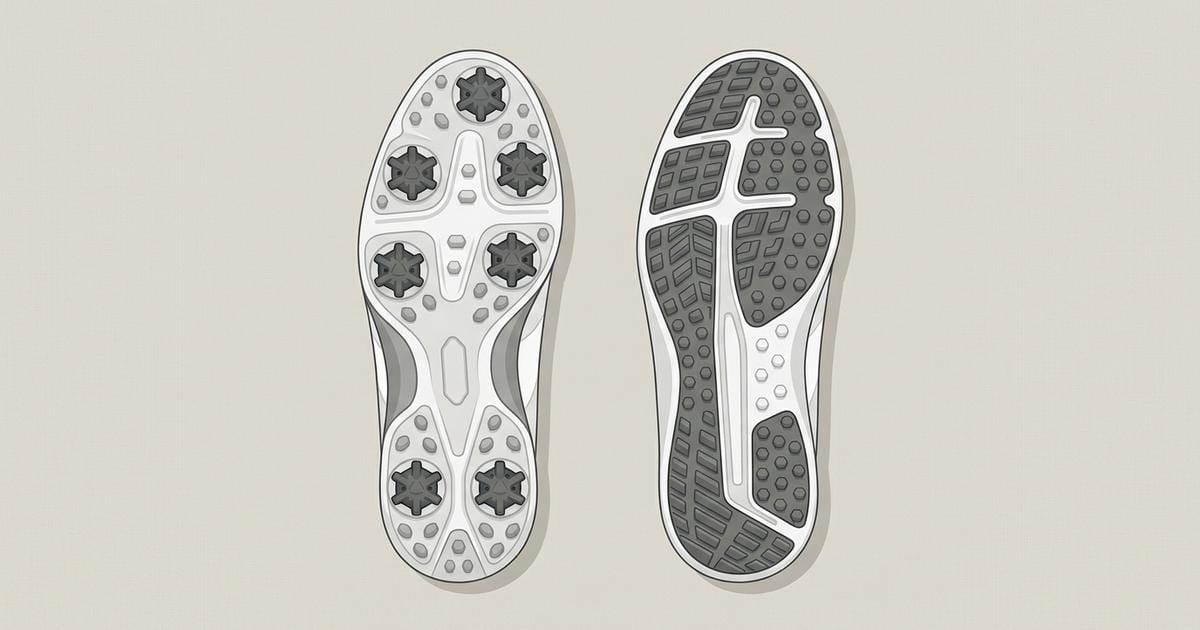
- Spikeless vs spiked golf shoes: where you swing decides it No independent test compares modern spikeless and spiked golf shoes. If you mostly hit off mats, spikeless is a fine first pair. Spikes earn a look on wet grass.
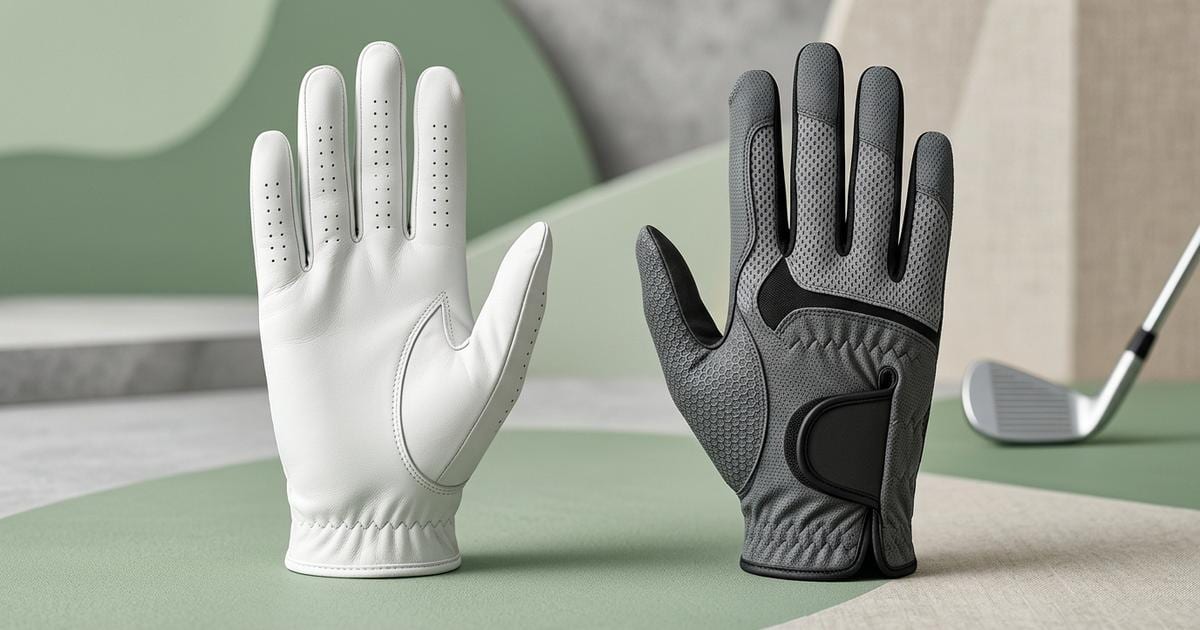
- Cabretta leather golf glove or synthetic? Synthetic first Cabretta is the name for hair-sheep leather, not a premium tier. If you mostly practice, a synthetic glove is enough. Add a cabretta glove once rounds start.
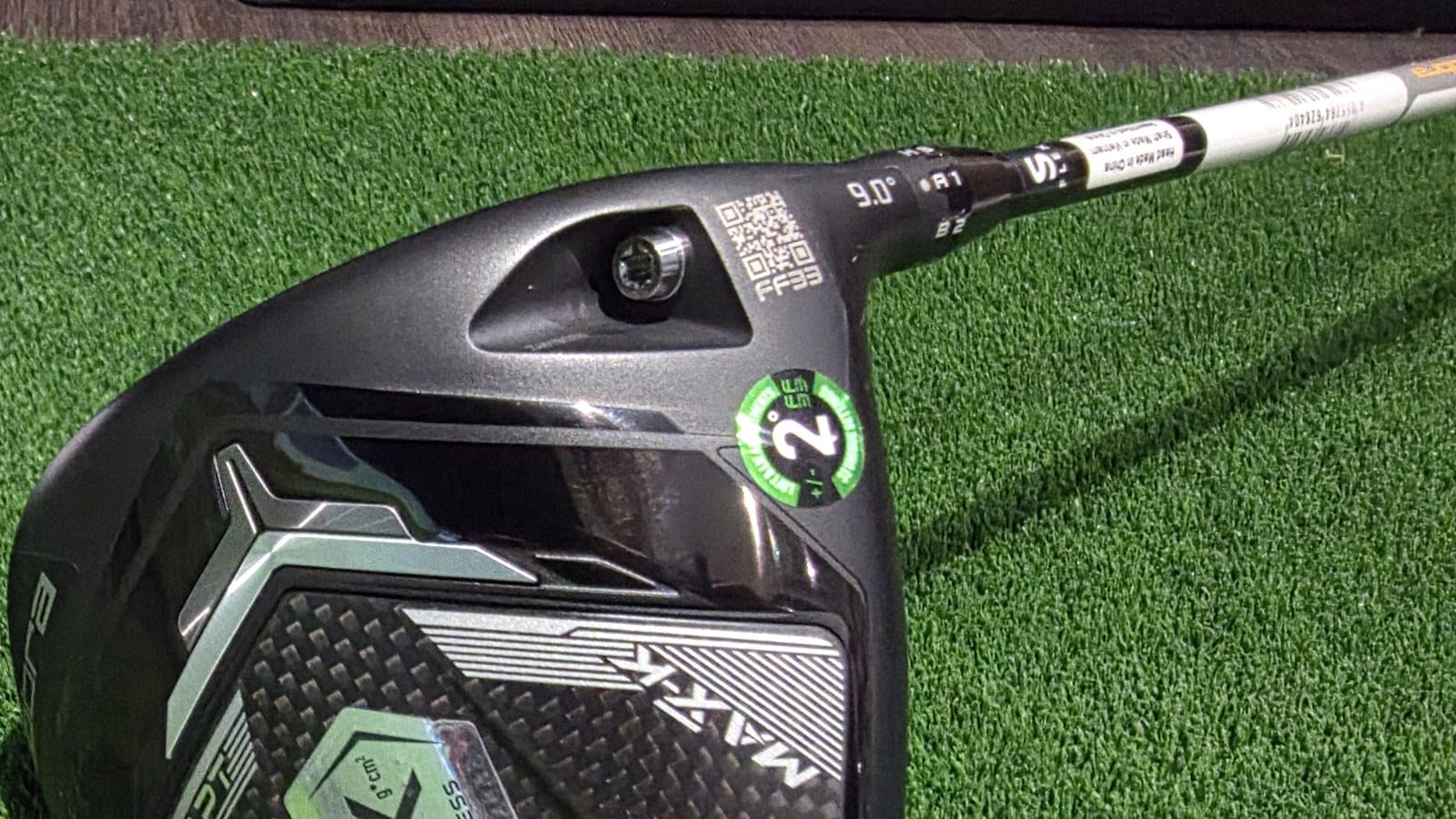
- Cobra Driver Settings: FutureFit33 Is a Compass, Not a Grid Cobra's current hosel is FutureFit33, not MyFly. Its letter-and-number codes give 33 loft and lie settings, and the chart reads outward from A1 like a compass.
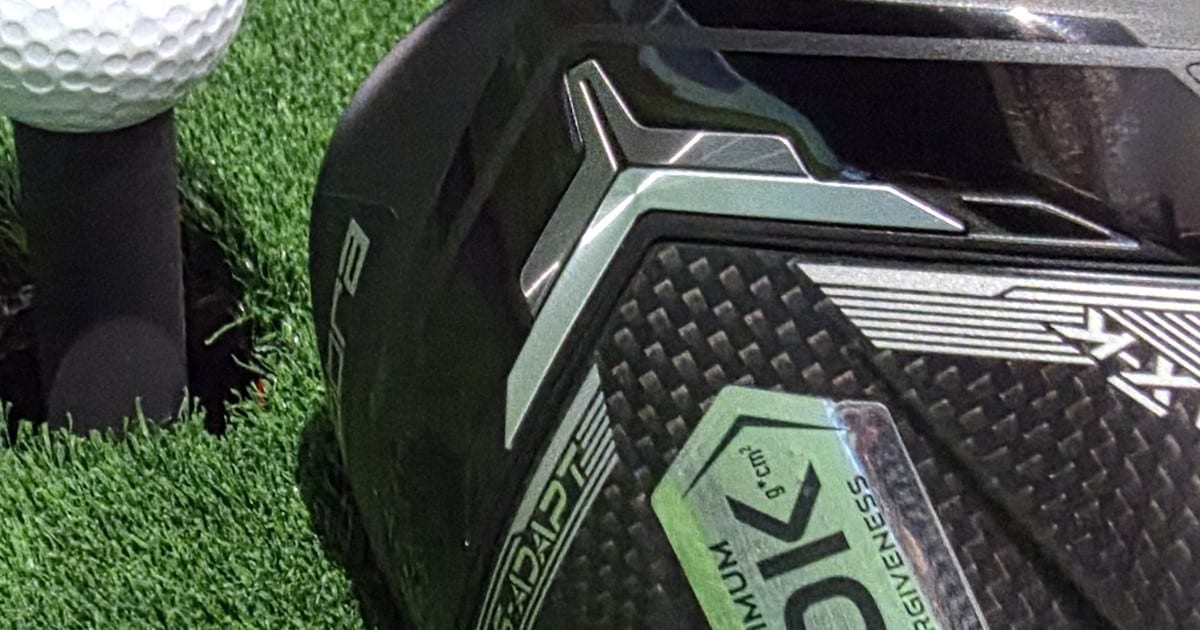
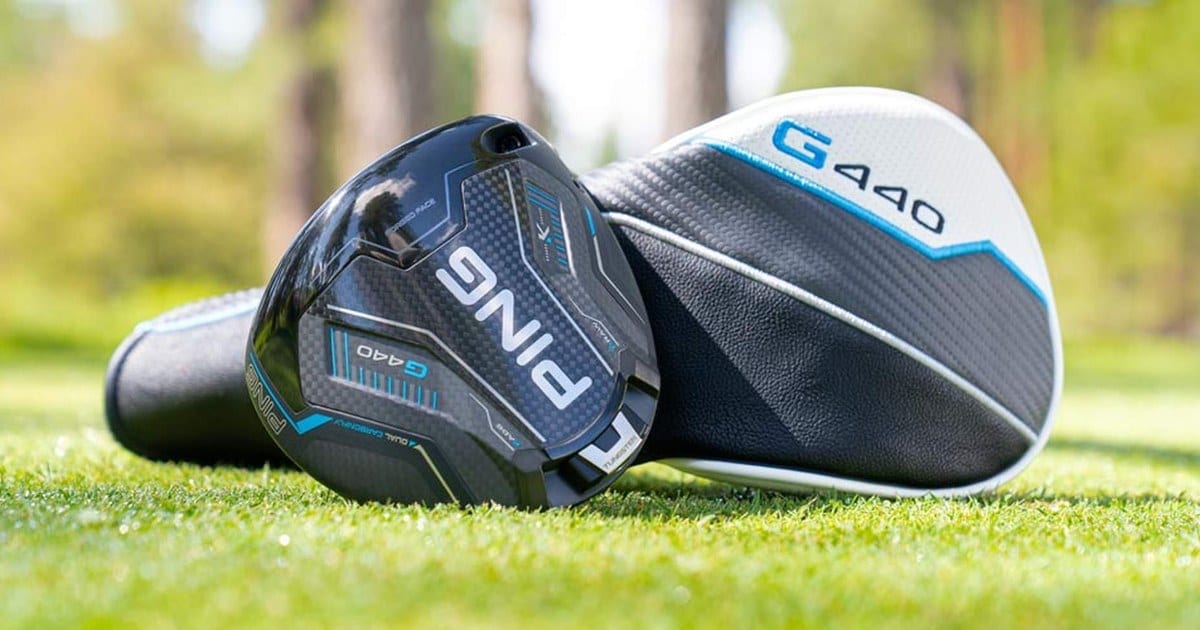
- PING Driver Settings: Trajectory Tuning Can't Fix a Slice PING's hosel has eight Trajectory Tuning settings and none of them targets a slice. The two plus marks differ by size: small is +1.0, large is +1.5.
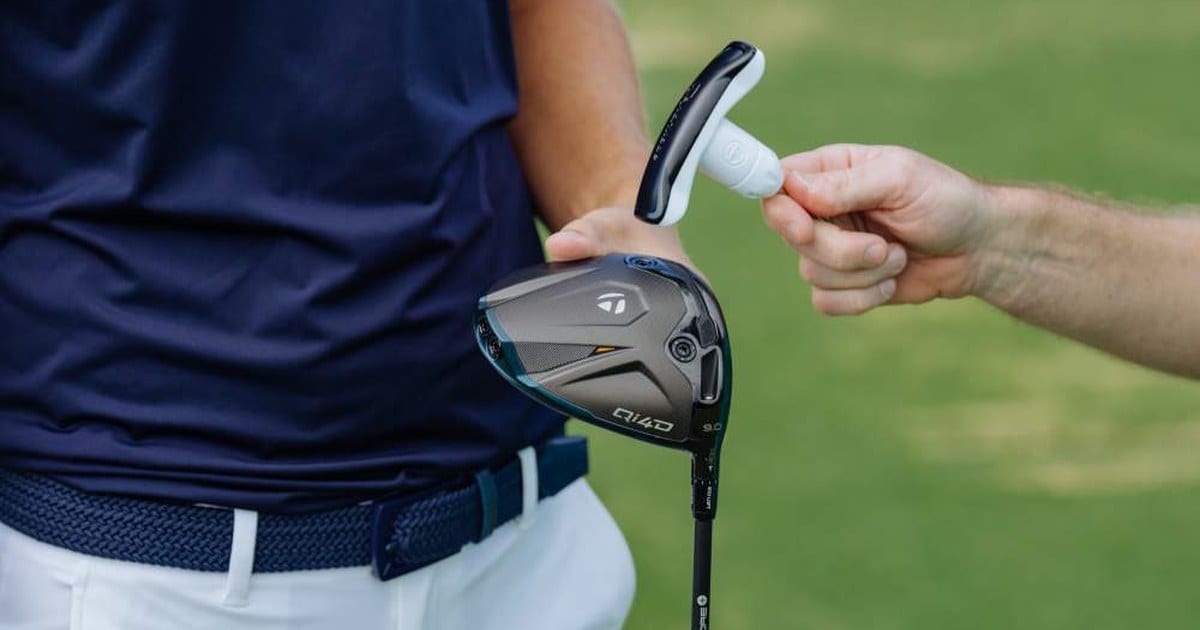
- TaylorMade Loft Sleeve: Pick a Half of the Clock First Pick the half of the clock your miss belongs on, then how far around. All 12 Qi4D sleeve positions, and why loft and face angle always move together.
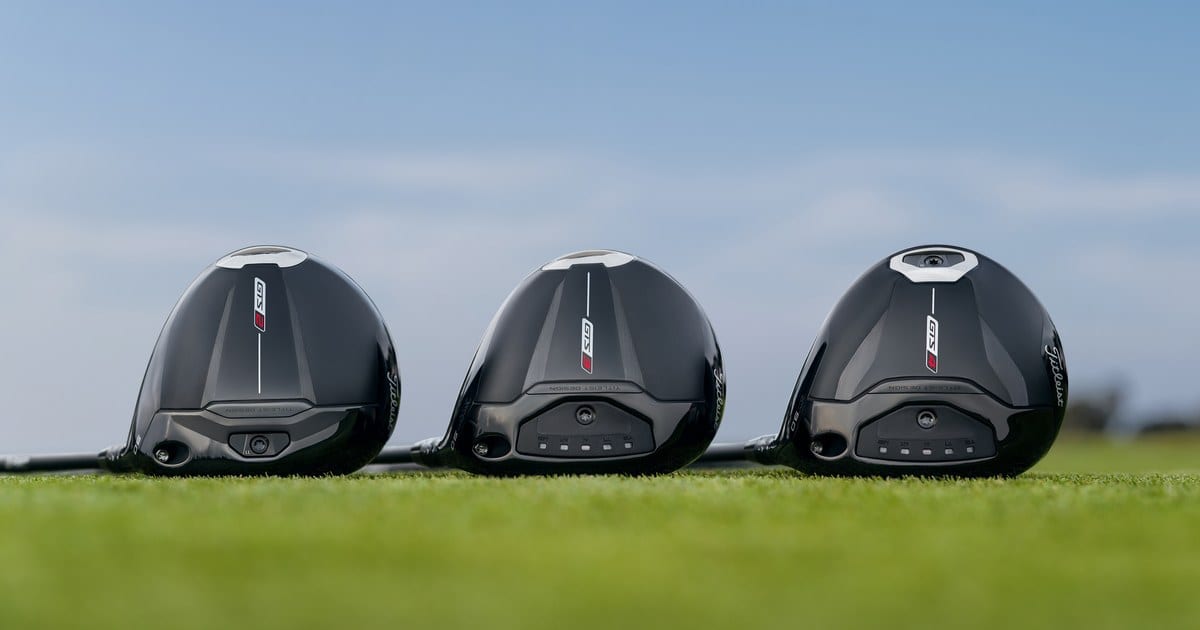
- Titleist Driver Settings: One SureFit Chart Since 2010 Titleist never gave A through D a meaning. The grid does: up and down for trajectory, left and right for shot shape. One chart, every driver since 2010.
- Callaway OptiFit Hosel Settings: What Each One Fixes Callaway's OptiFit hosel has four loft settings, but the part most players actually need for a slice or hook is a different one: the adjustable weight port.
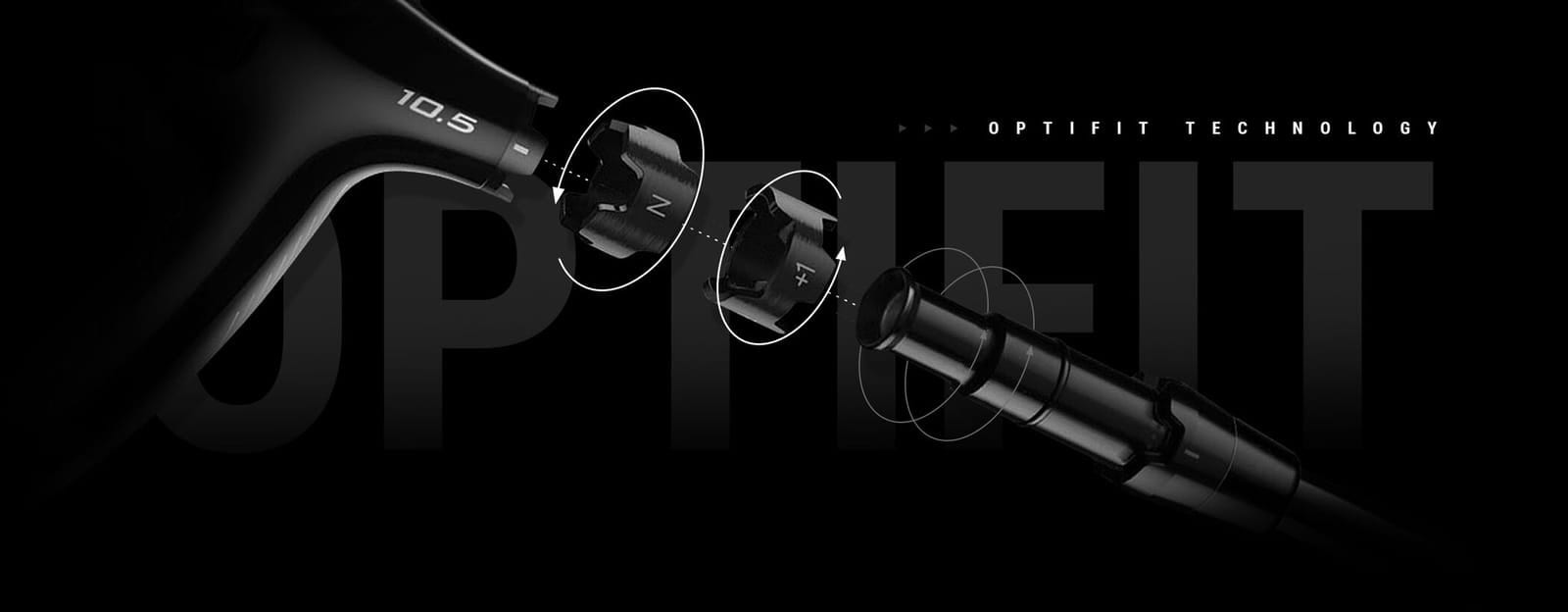
- Titleist T150 and T100S lofts haven't changed since 2020 Four releases, one loft chart. T100S and T150 have run 19 through 48 degrees since 2020, so the loft stamp can't tell you which one you're looking at.
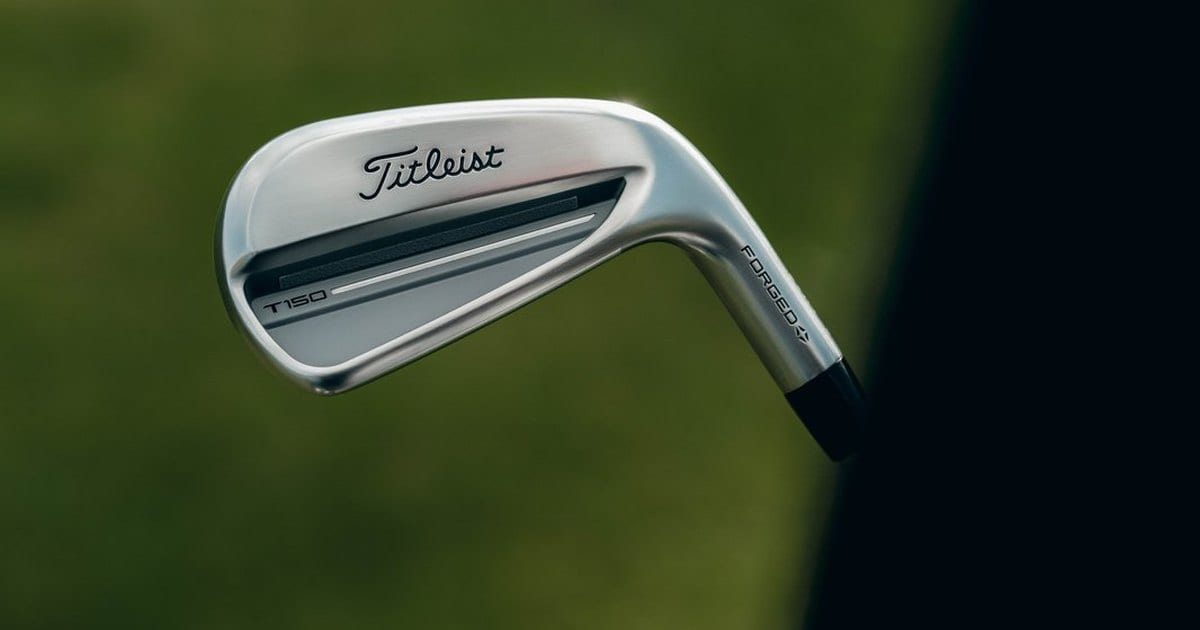
- Stock iron shafts: weight is the problem, not the brand Eleven shaft maker pages publish grams. Only one of the three publishes torque and kick point, and none publishes a CPM. Weight is what you can act on.
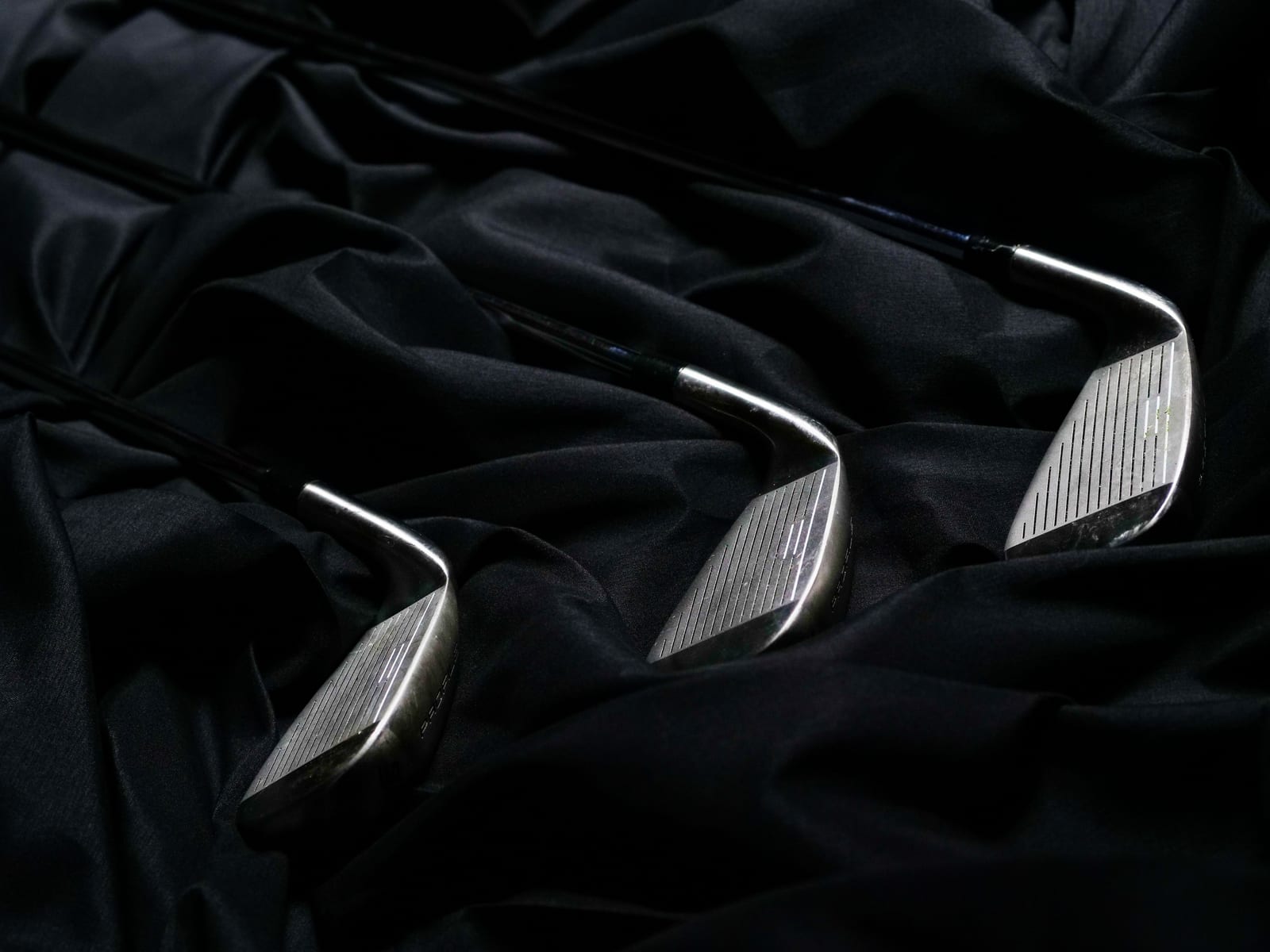
- Iron lie angle: height alone doesn't pick your number PING's chart needs two measurements, not one, and brand standards differ. My own 7-iron got 1.5 degrees more upright the day I changed sets.
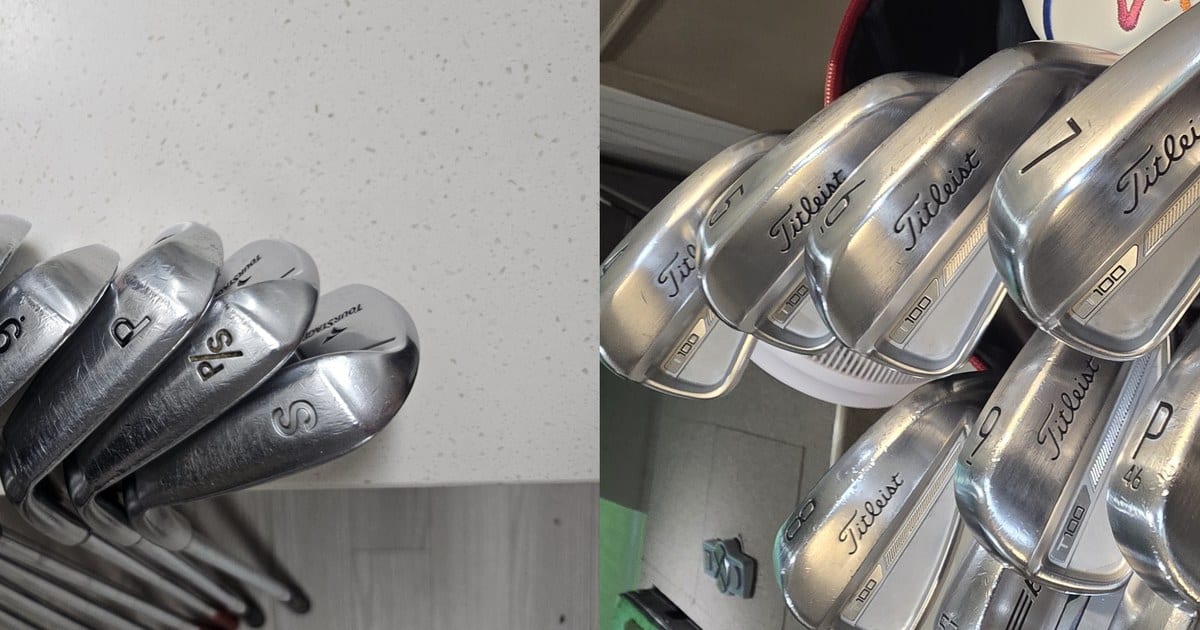
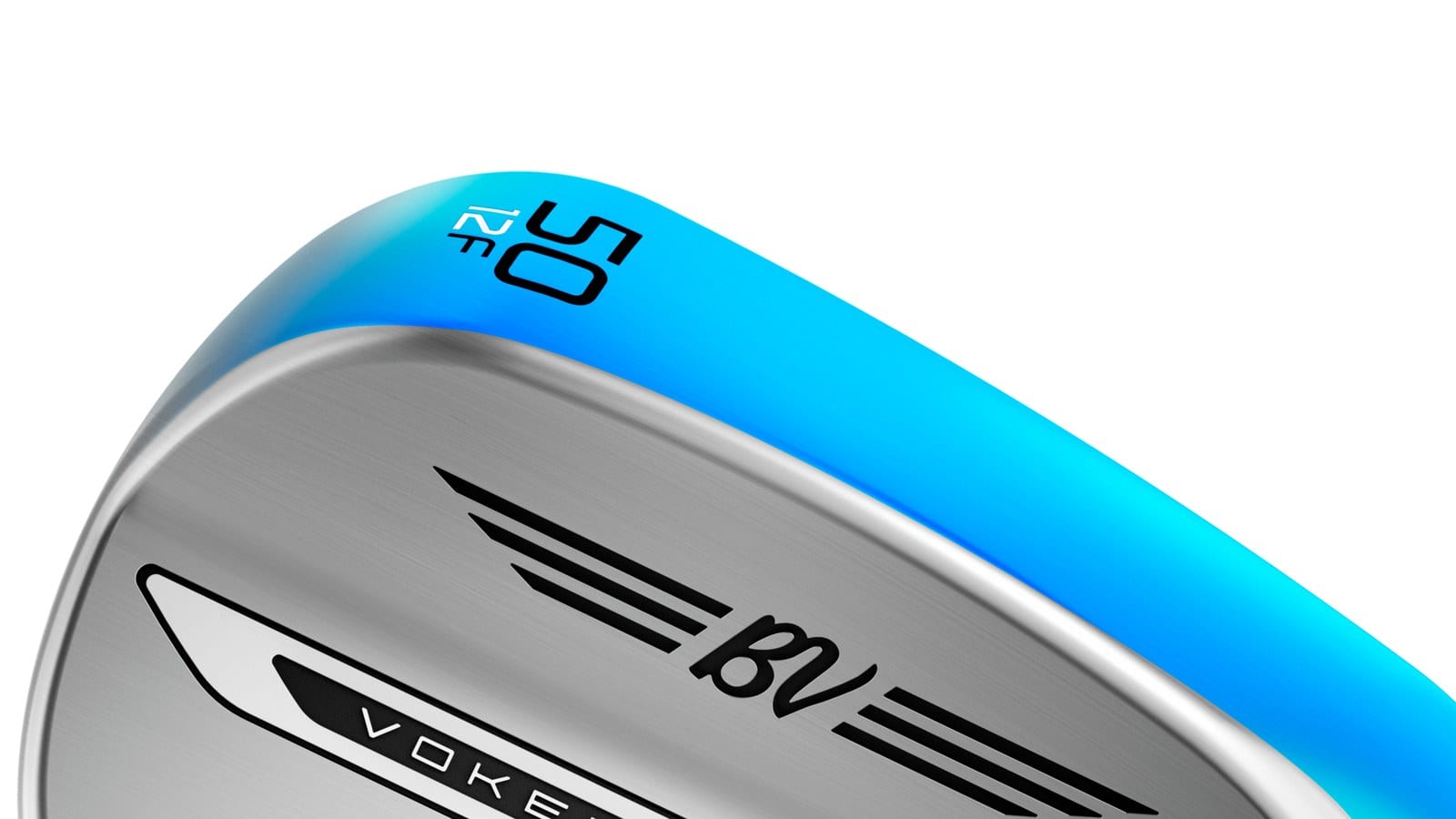
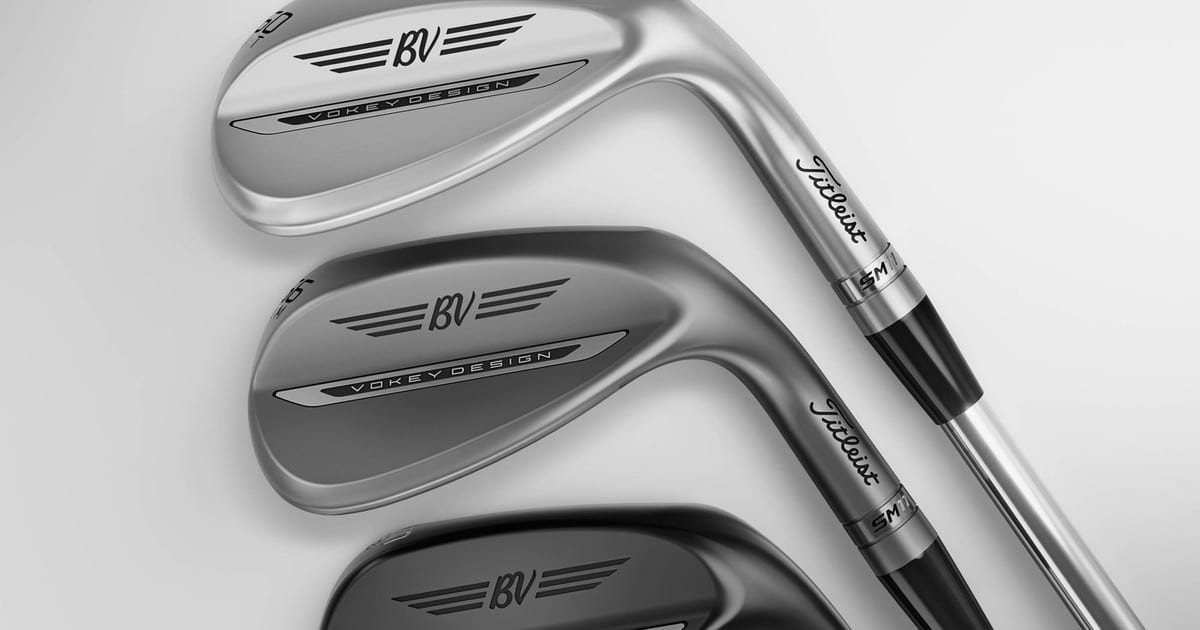
- Wedge bounce is picked by your divot, not your handicap Vokey, PING, Callaway and Cleveland all fit bounce from divot depth and turf firmness. None asks your handicap. What each line offers at 56 degrees.
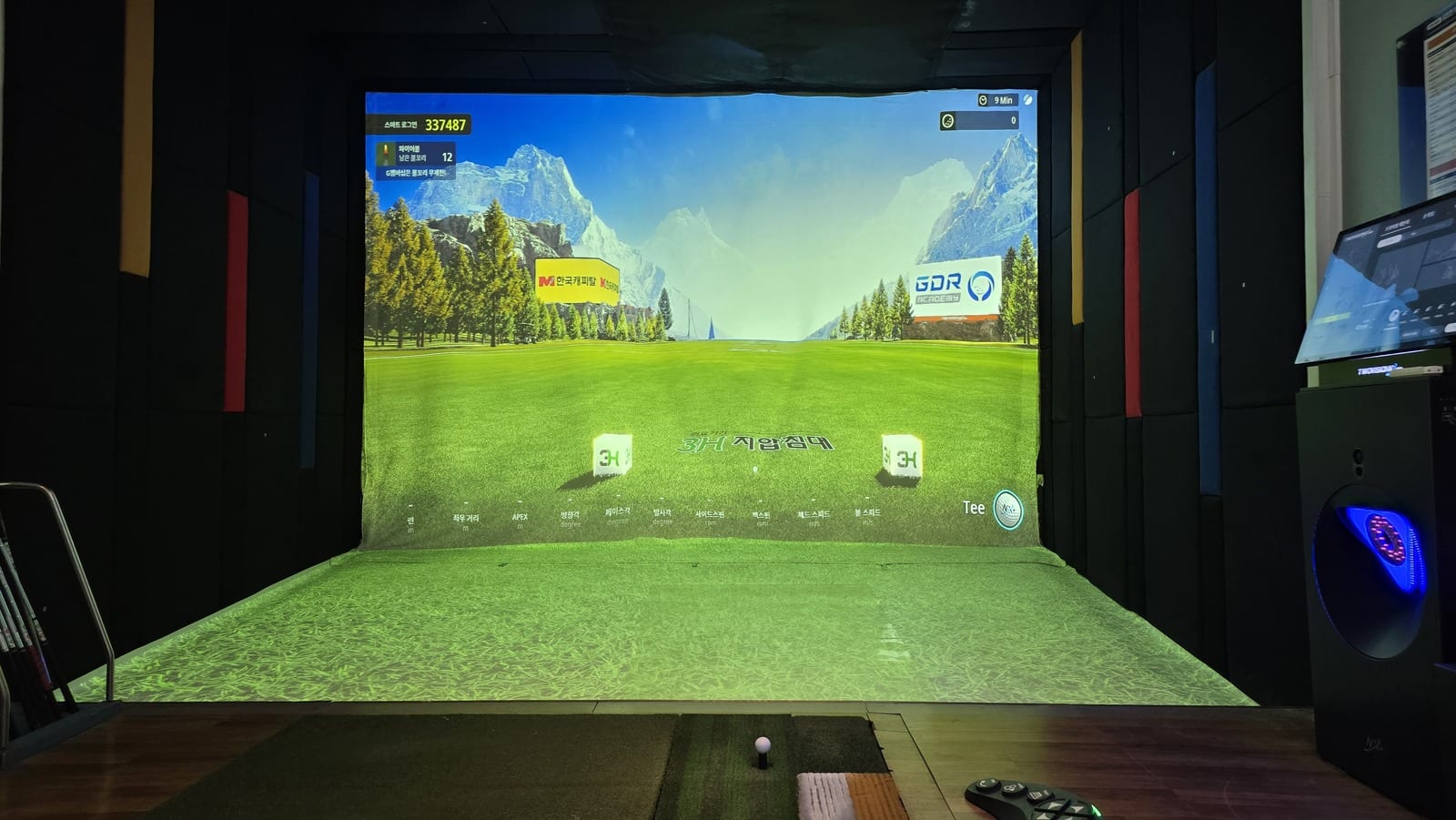
- Golfzon NX Plus: AI Cheonmunbong Is Hard, and Worth It AI Cheonmunbong plays hard on a Golfzon NX Plus: blind holes, a course that doesn't exist, and difficulty 4 of 5. Here's how my round there went.
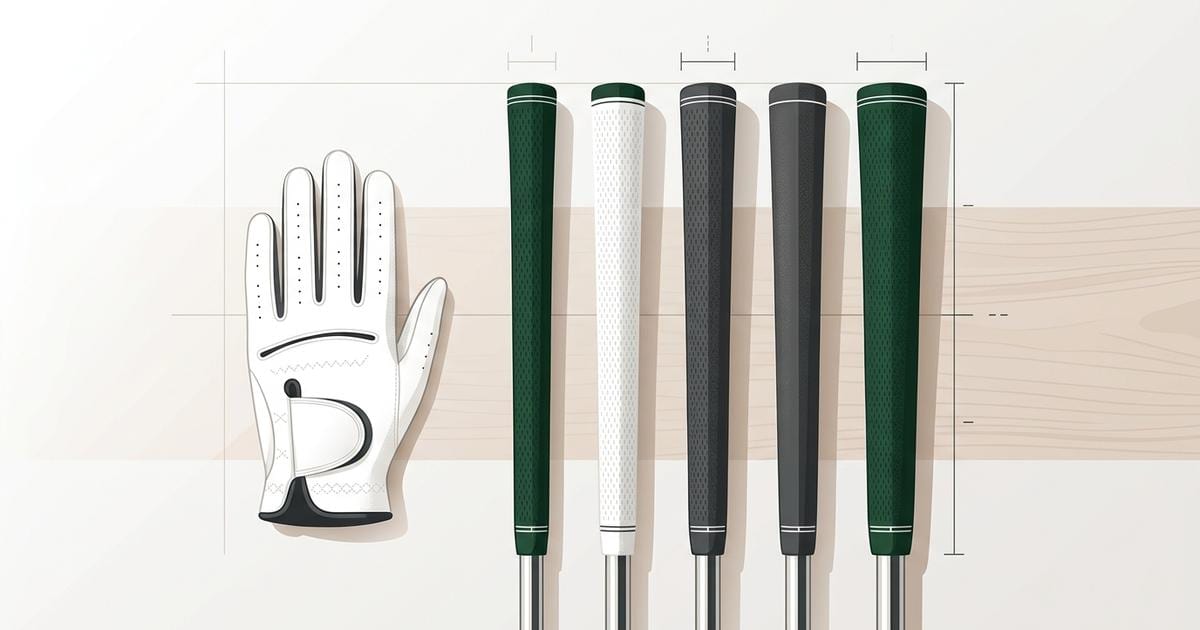
- Golf grip size chart: standard is 0.900 in, and how to check yours Four grip diameters from GolfWorks' sizing table, Golf Pride's hand-length bands and heel-pad check, and why a size 22 glove golfer stayed on standard.
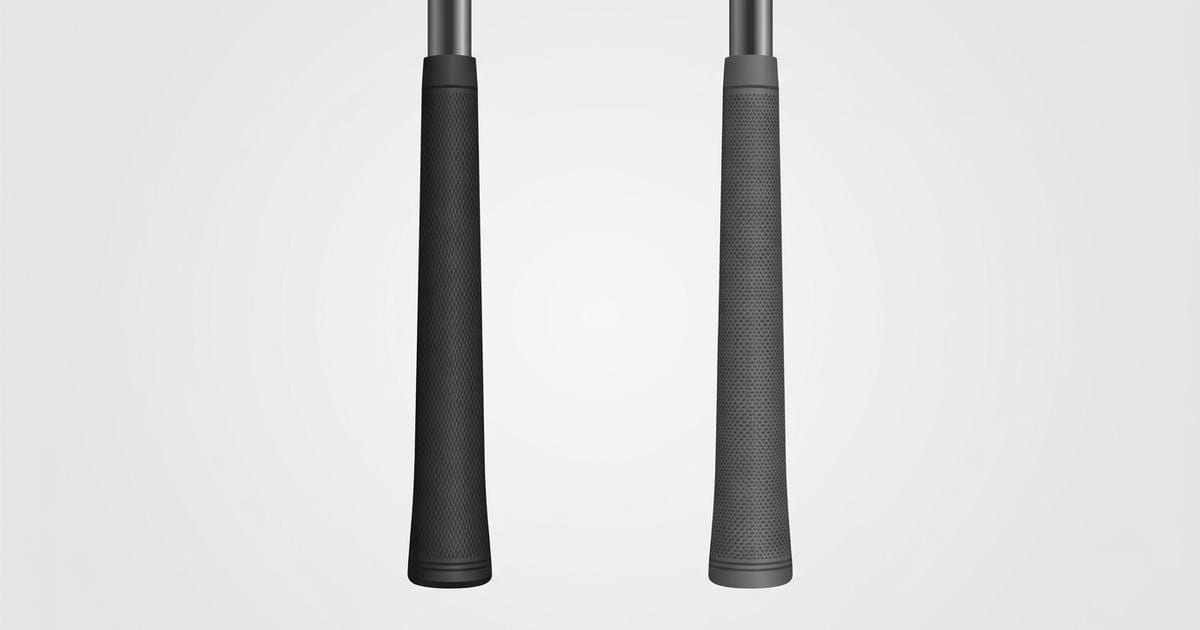
- Rubber vs elastomer golf grips: choose by squeeze, then check the weight Standard rubber and elastomer grips both weigh about 50 g, so you're choosing feel. Change size and the head feels different, at 4 or 5 g per swingweight point.
- What loft driver should I use? 10.5° or more under 95 mph Driver loft starts with your swing speed. A speed-to-loft table, why slower swingers gain carry from more loft, and when a 9-degree head actually makes sense.
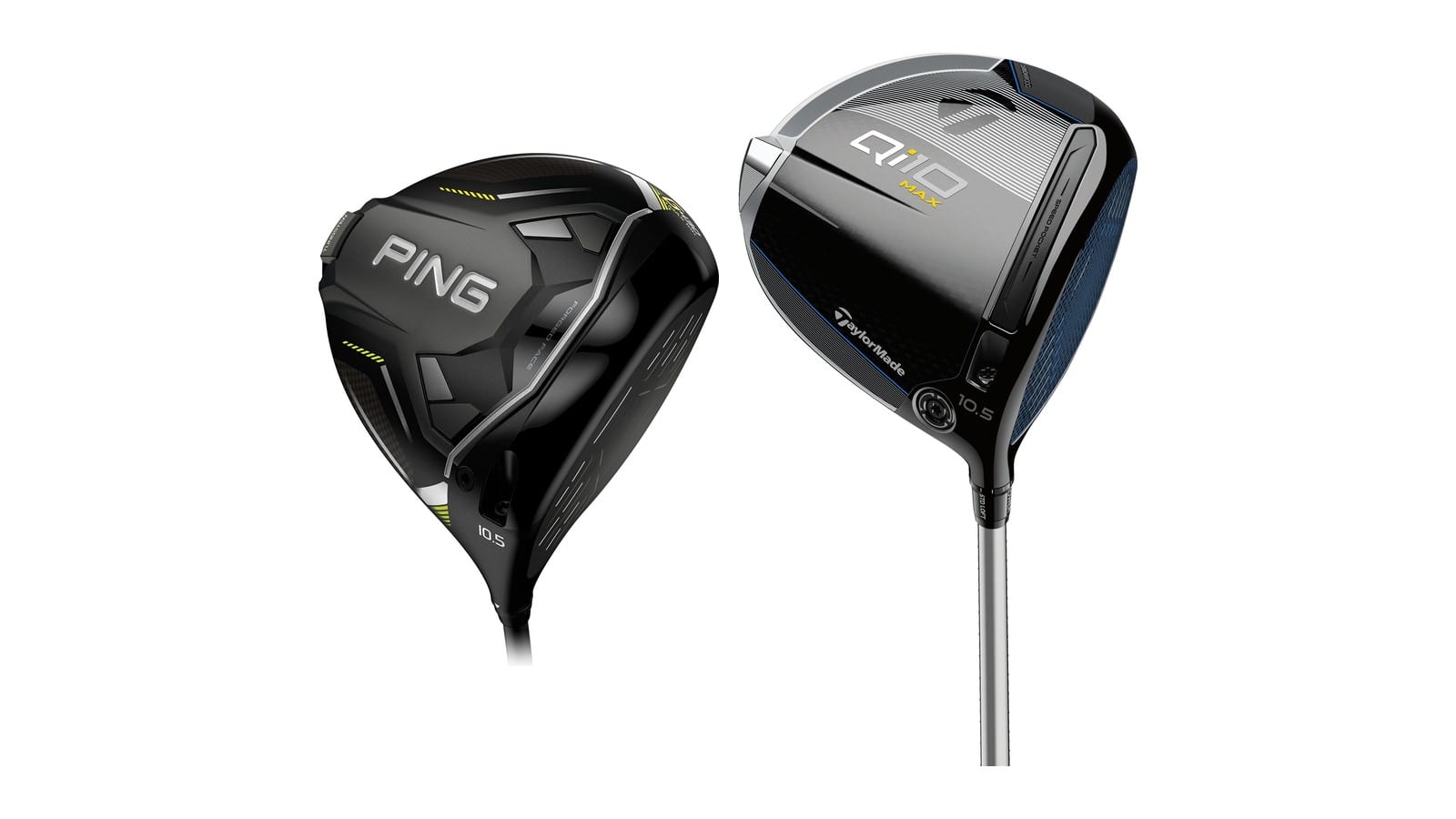
- Ping G430 Max 10K vs TaylorMade Qi10 Max: one MOI, two faces Both brands claim 10,000 MOI forgiveness, but the two heads are built very differently. A comparison of face, weighting and look from the published specs.
- Swing speed vs distance: average amateur driver numbers TrackMan's average male amateur swings driver at 93.4 mph and averages 214 yards total. Why swing speed alone doesn't set your distance, and what to read first on a launch monitor.
- 50g vs 60g driver shaft: what the 10 grams changes, and who each one suits Ten grams sounds negligible, but it changes how a driver feels and how fast you can swing it. Here's how to choose between a 50g and 60g shaft.
- Iron offset: check it in a fitting, not as a slice cure Iron offset explained: how far published 7-iron offsets spread, why the slice claim is unmeasured for slicers, and how to compare offset in a fitting.
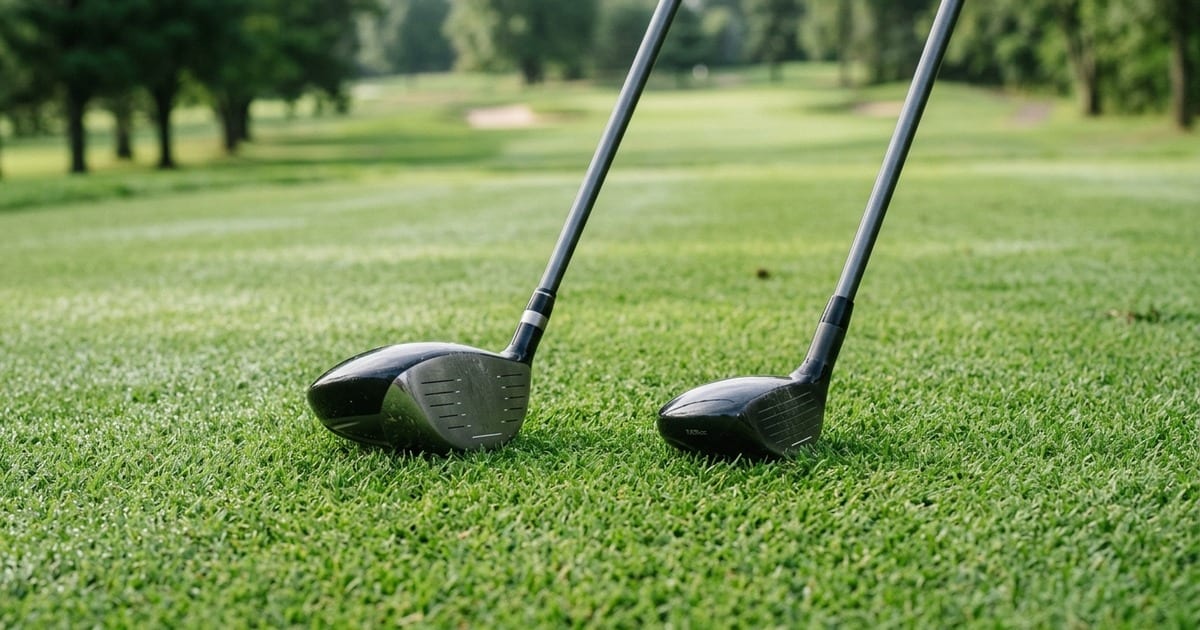
- 7-Wood vs 4-Hybrid: Why the Same 21° Loft Produces Completely Different Shots A 21° 7-wood and a 21° 4-hybrid share the same loft on paper, but produce completely different ball flights. Here is how shaft length, head design, and sole shape change launch, landing, and turf interaction.
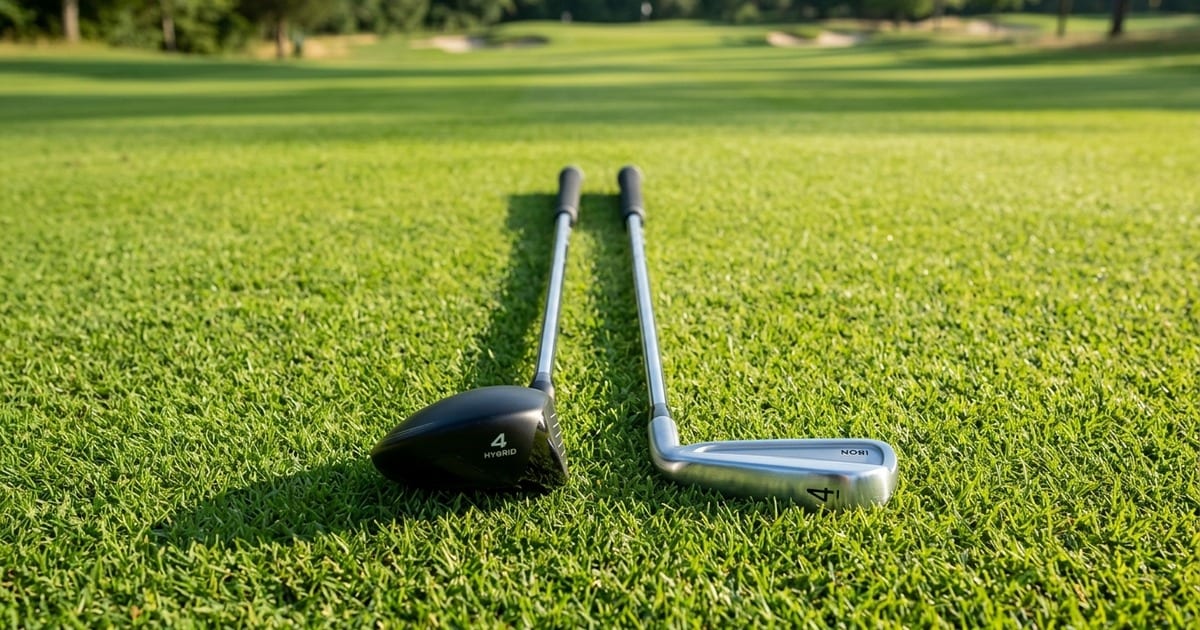
- 4-Hybrid vs 4-Iron Distance: Why the Same Number Leaves a 20-Yard Gap Replacing a 4-iron with a 4-hybrid often duplicates 5-wood distance. Here is the math on shaft lengths, CG depth, and how to gap your long game by loft.
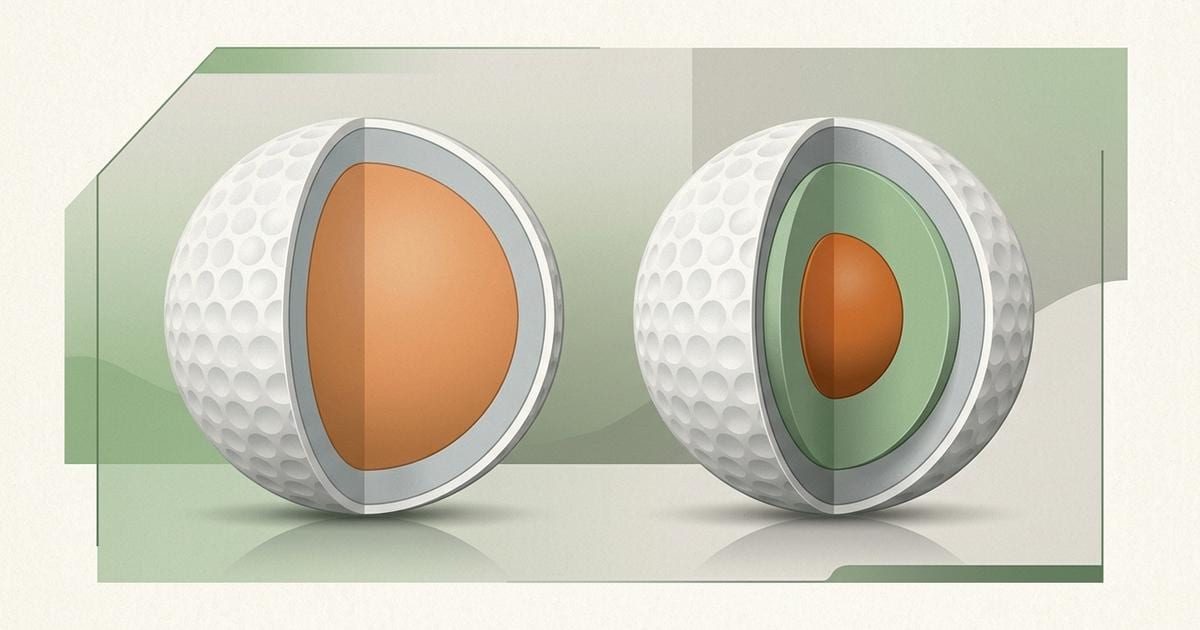
- 2-Piece vs 3-Piece Golf Balls: What the Cover Changes and Which One to Play The real difference between 2-piece and 3-piece golf balls is the cover. How ionomer and urethane covers change driver spin, wedge spin and durability, and which one fits your game.
- 52 and 56 wedges were built for a 48-degree pitching wedge The 52 and 56 pair steps evenly under a 48-degree pitching wedge. Current sets publish 40 to 45 degrees, so the first step can be nine. How to pick from your own number.
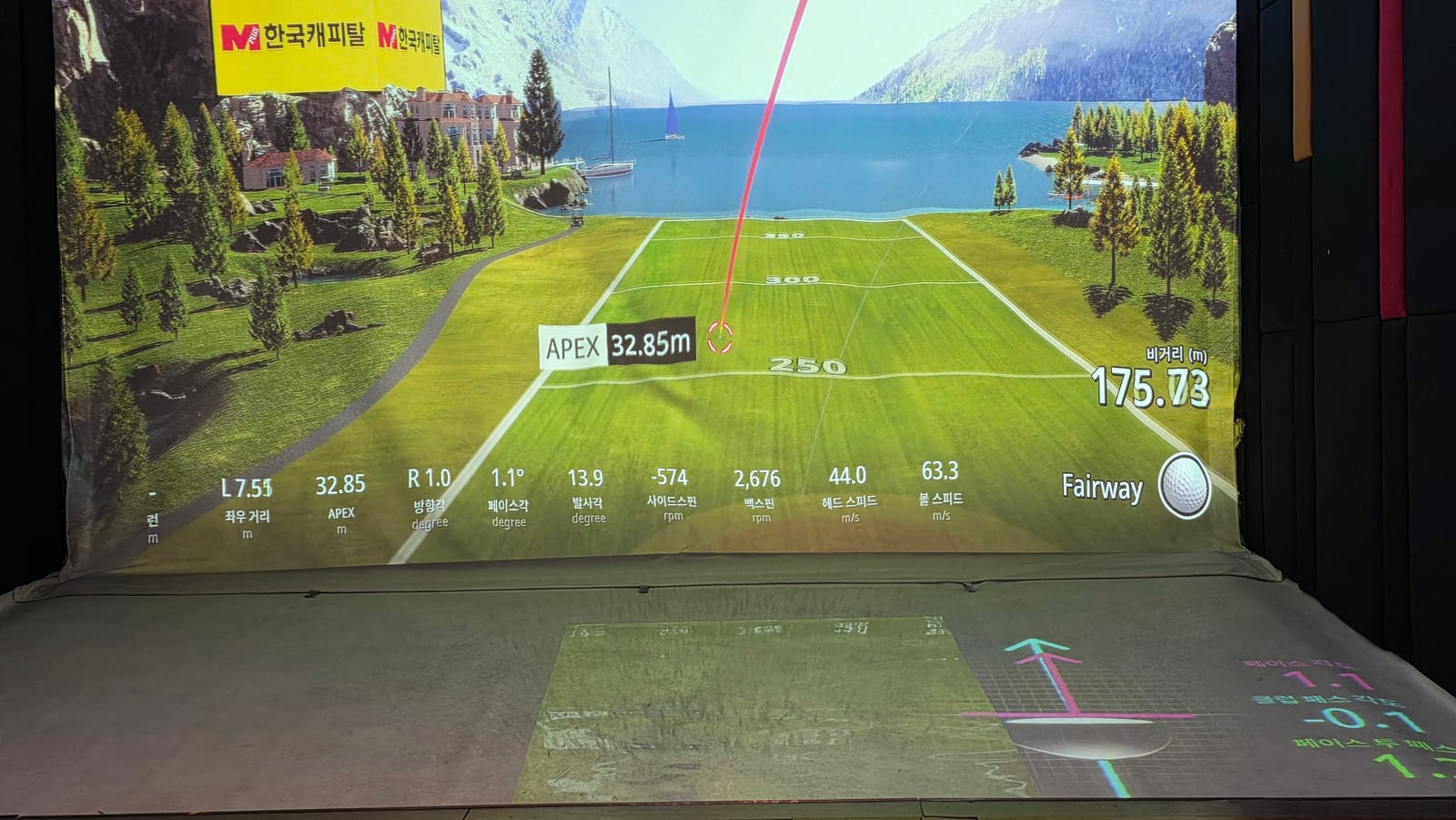
- Face angle vs club path: the ball curves off the difference, not the face Your screen read the face closed and the ball still sliced. Face angle and club path are measured against the same line, and the ball curves off the gap.
- Can a lined ball or a mallet do your aiming for you? One study found the number of lines on the ball changed nothing about how accurately golfers aimed it. The 0.9% belongs to a simulated design nobody built.
- 4 New Golf Drivers Actually Worth Considering in 2026 PING G440 K, TaylorMade Qi4D, Callaway Quantum Max, and Titleist GTS2 all launched in 2026. Here's what actually differs, and who each one fits.
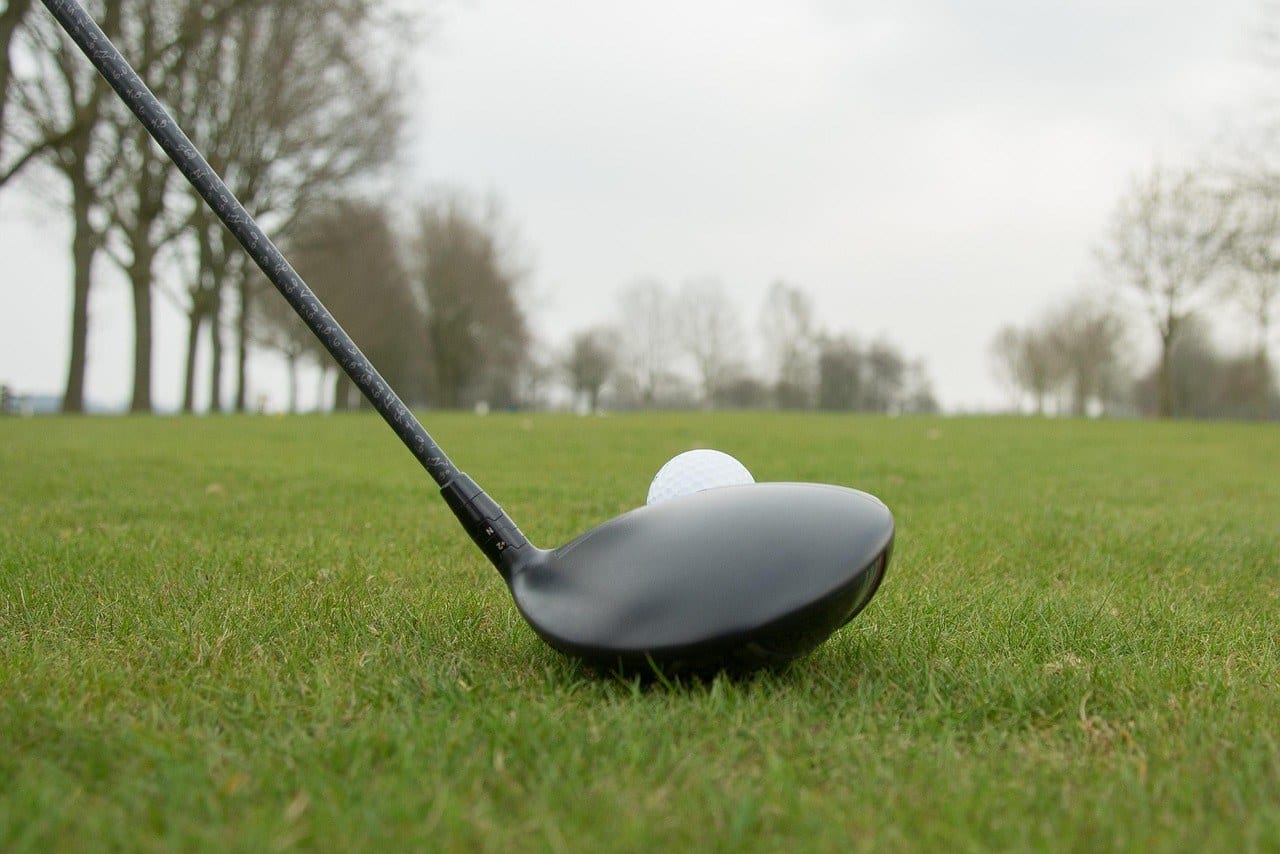
- Putts that don't start on line: the face decides most of it, not the path Face angle explained 80% of the direction consistency of 1,301 putts by elite players. Putter path explained 17%. The 83% you'll see quoted cites nothing.
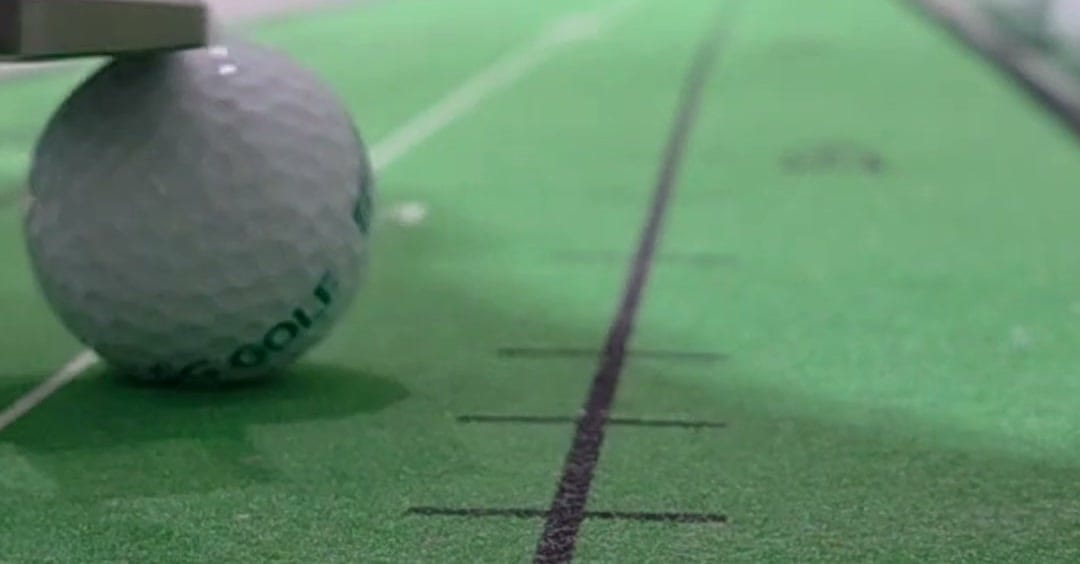
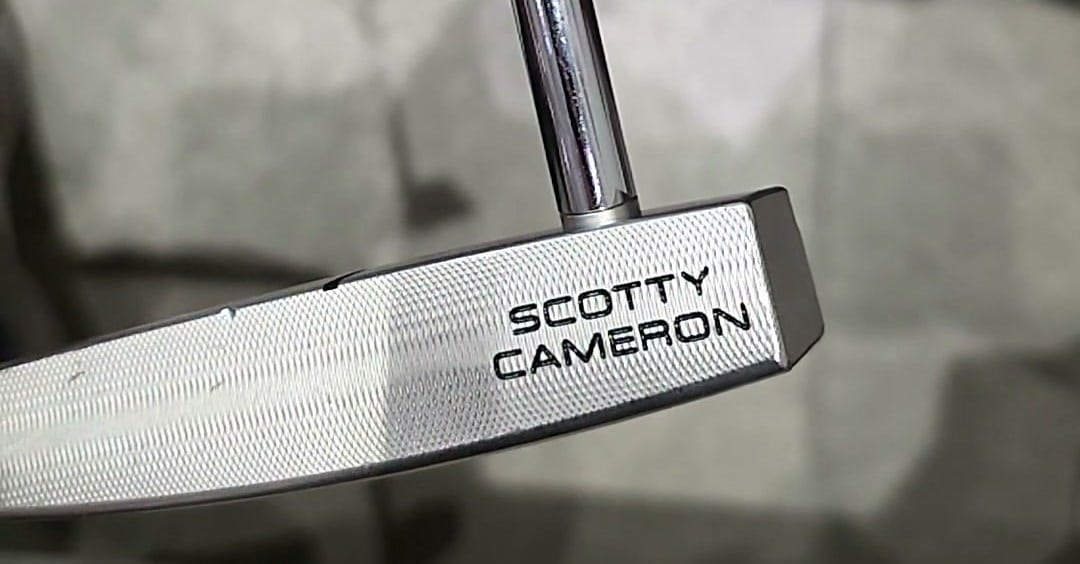
- Zero torque vs low torque: where your own putter sits Nobody certifies 'zero torque,' so the maker's own wording is the grade. What the words mean, how to sort your own putter with one finger, and why lie angle decides.
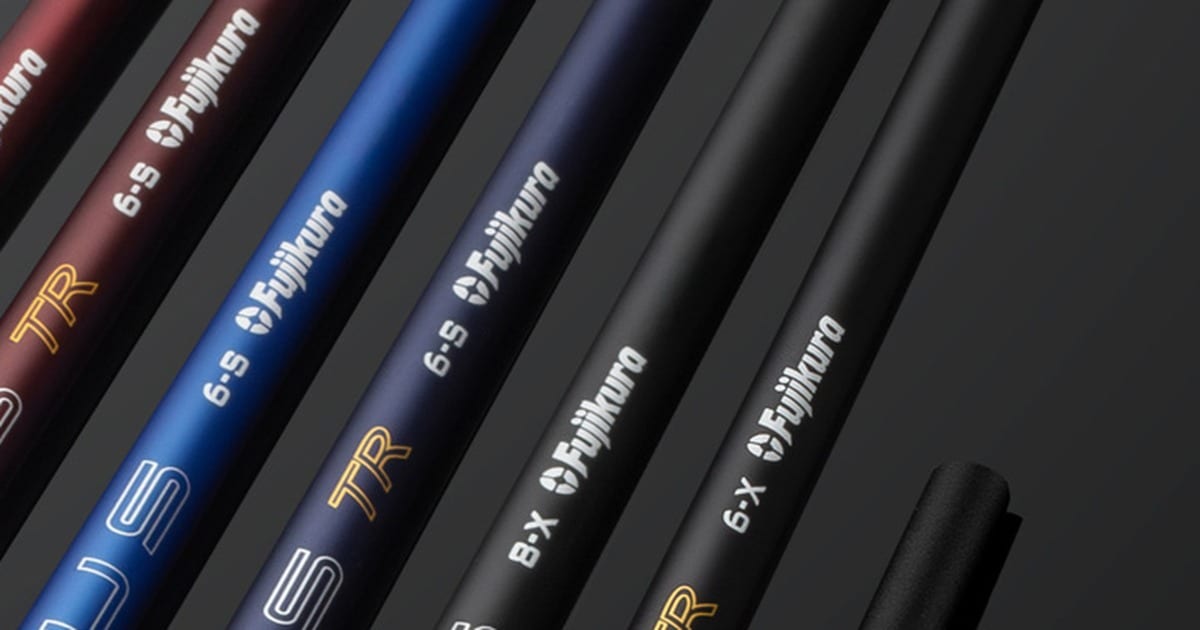
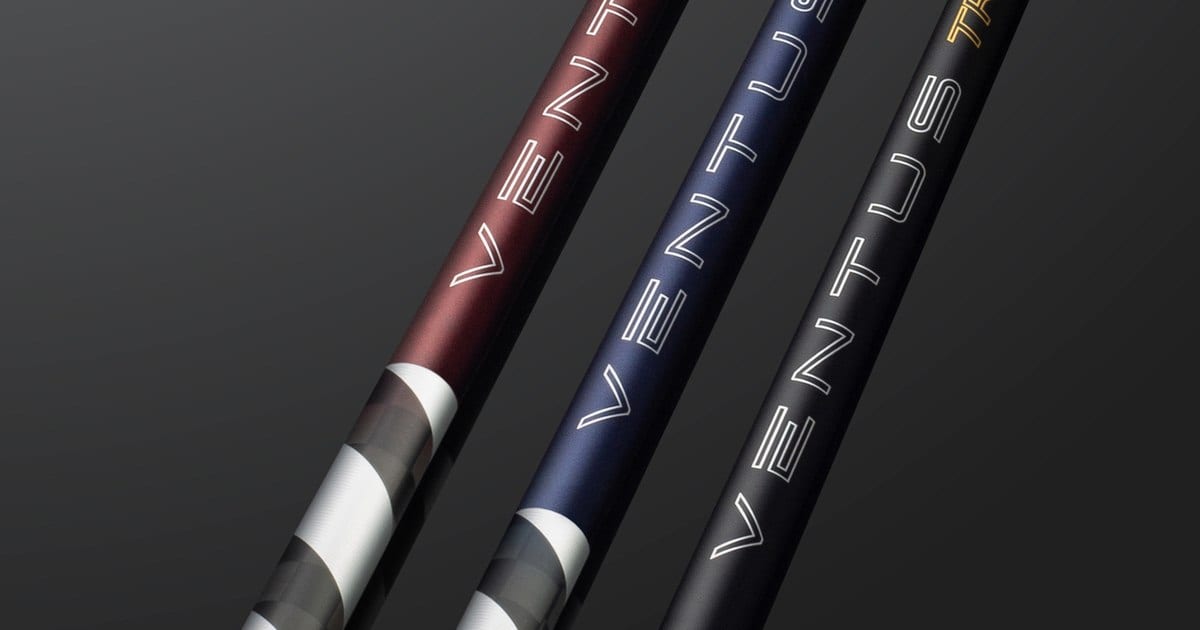
- Which Ventus shaft? Start from the one you already play. Which Ventus shaft? Three moves from the one you play now: the class steps 8 to 10 grams, the letter runs out above class 7, color follows ball flight.
- 7-iron loft isn't one number. Two PING irons span 8.5 degrees. Two current PING irons publish six 7-iron lofts, 26.5 to 35 degrees, all at 37 inches. Why the number on the sole isn't a unit, and how to find yours.
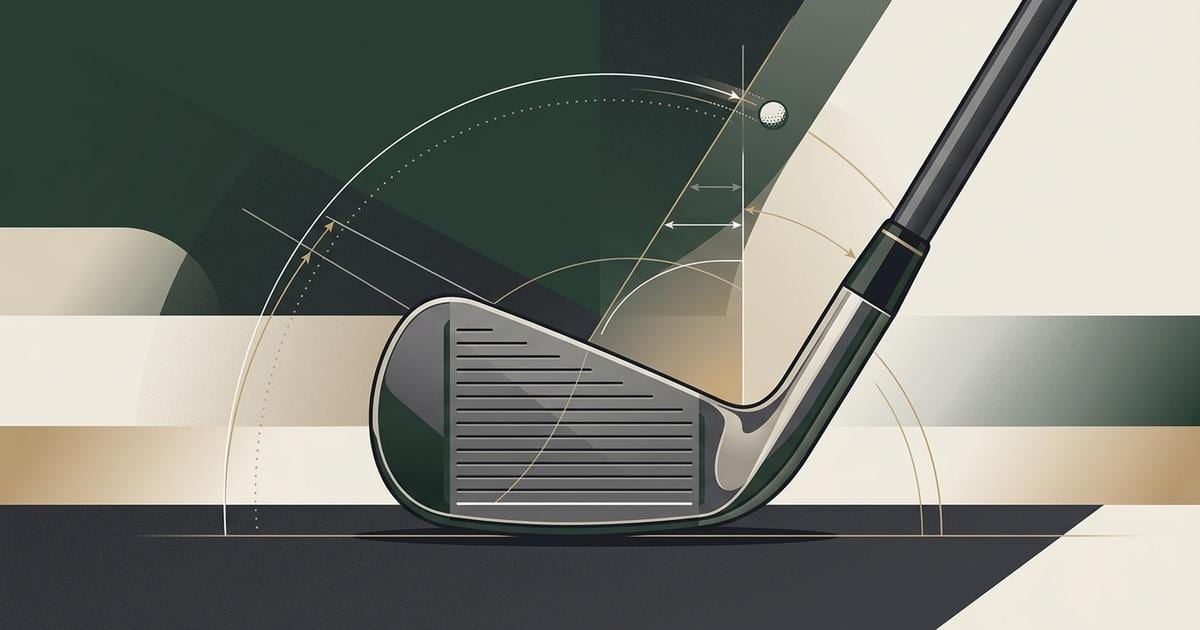
- Golf relief area: four reference points, one gives two club-lengths Golf relief has four reference points outside a penalty area, and only one gives two club-lengths. Work out which point applies to your ball and the distance follows.

- Ladies flex vs senior flex: one shaft, one gram apart On the XXIO 14 Ladies driver, L and A are the same shaft with identical torque and kick point. Dunlop's sheet puts them 1 gram and half an inch apart.

- Titleist T200 vs T100: same length, same lie. Loft is what actually changes. The 2021 Titleist T200 and T100 share one lie table and one length table. Loft is the only geometry that changes, and the weight difference sits in the stock shaft, not the head.
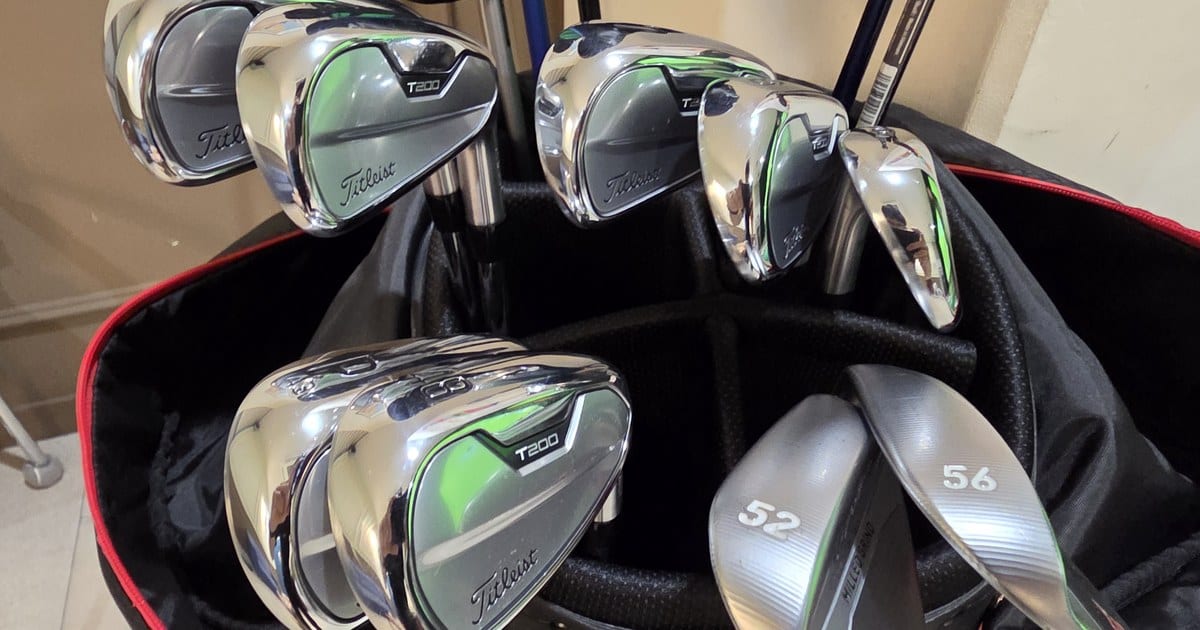
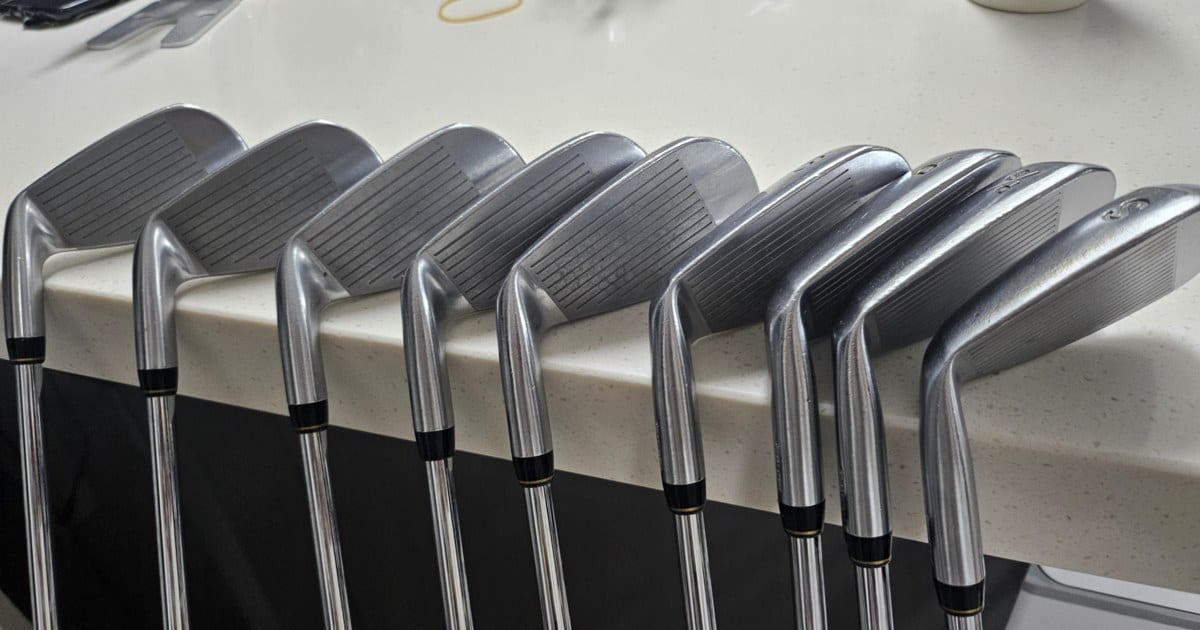
- Tourstage V300 III iron lofts by club, and what my used set cost Tourstage V300 III lofts and lies by club, 23 degrees at the 4-iron to 45 at the PW, plus what ten months on a used set actually cost me.
- Golf penalty strokes: OB is 1, bunker sand is 2, flagstick is 0 Three mistakes that feel alike carry three different penalties. Out of bounds costs one stroke, testing bunker sand costs two, and the flagstick costs nothing.

- 145 mph ball speed, 220-yard drives: check carry against total first TrackMan's average male amateur carries 204 yards and totals 226 off the same swing. Before blaming spin, find out which of the two numbers your screen shows.
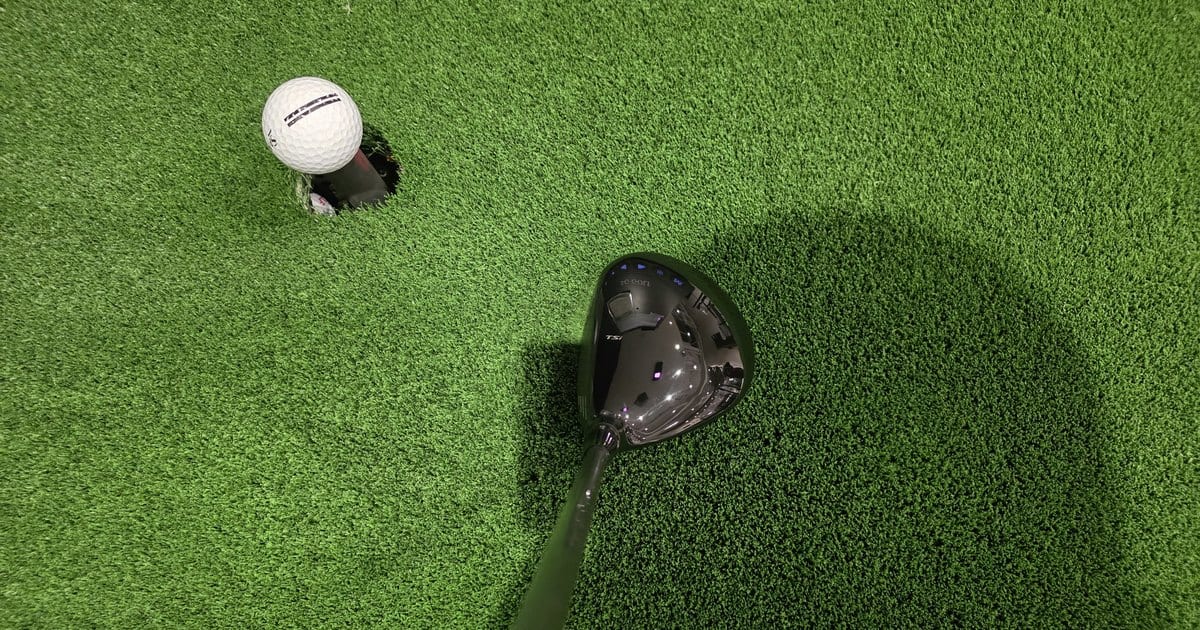
- Regular vs stiff shaft: how much stiffer S actually is Nippon publishes 103.0 g for R and 106.5 g for S in one iron shaft, a 3.5 g step with 0.2 degrees less twist. Fitters put a flex step near 12 CPM.
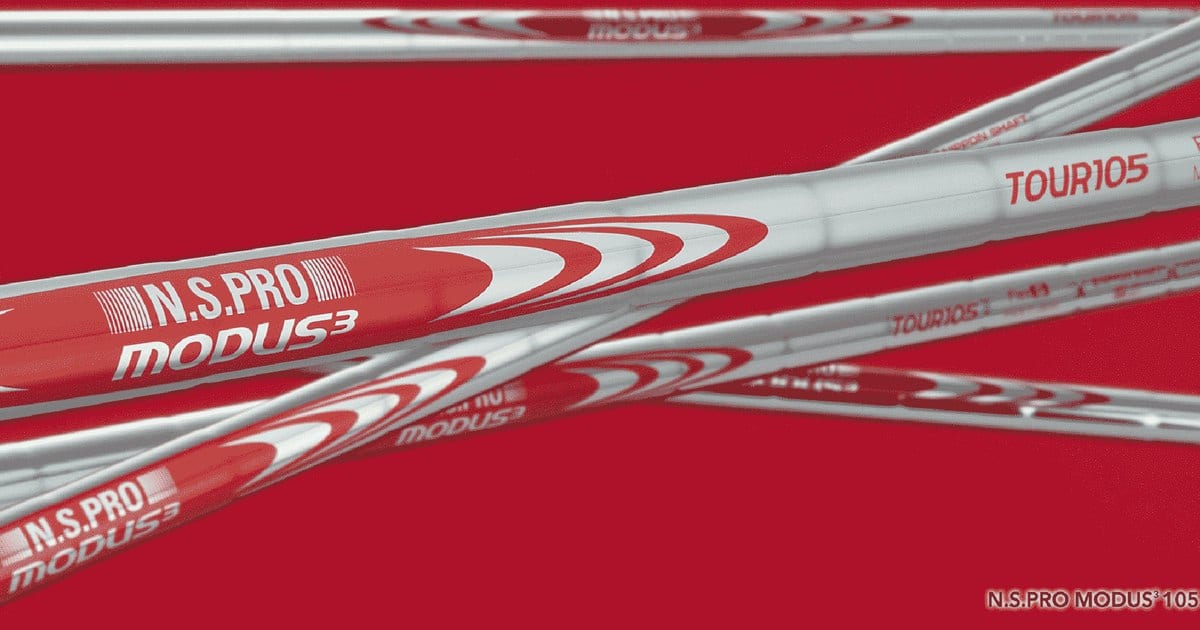
- Ventus TR vs VeloCore+: Buy TR for Feel, Used 2022 for Value Ventus TR fits if your transition feels loose and you like the Blue profile; non-TR VeloCore+ if your Ventus feels stable; a used 2022 TR for value.
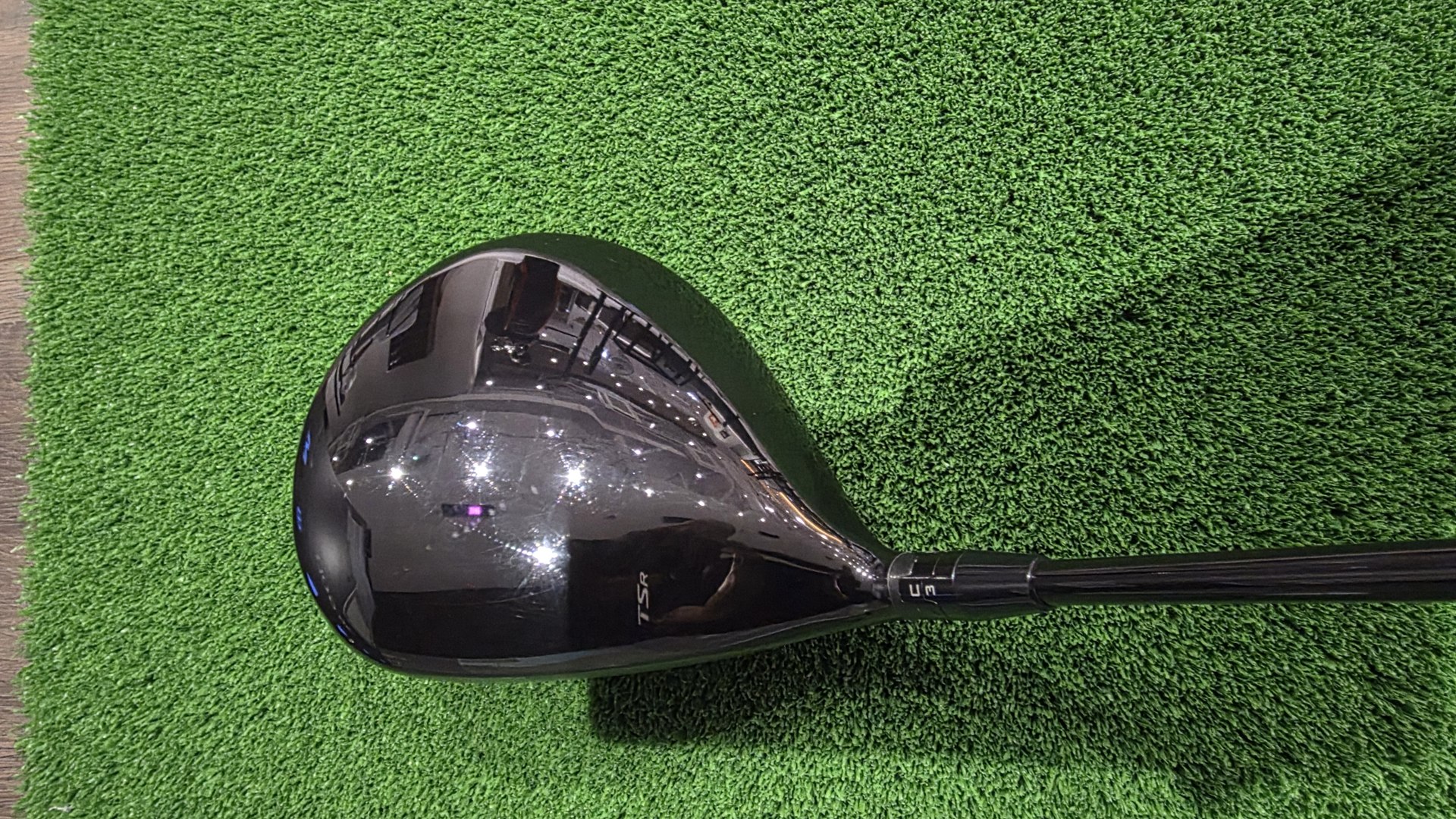
- A driver loft sleeve moves the face angle more than the loft TaylorMade publishes how far its loft sleeve opens the face. Titleist doesn't. One measured Titleist hosel read the same loft at all 16 settings.
- Golf shaft flex chart, decoded: the letters aren't standardized Shaft flex letters L to X with swing speed ranges, torque and kick point in plain words, what a wrong shaft actually does, and the shafts LPGA pros really play.
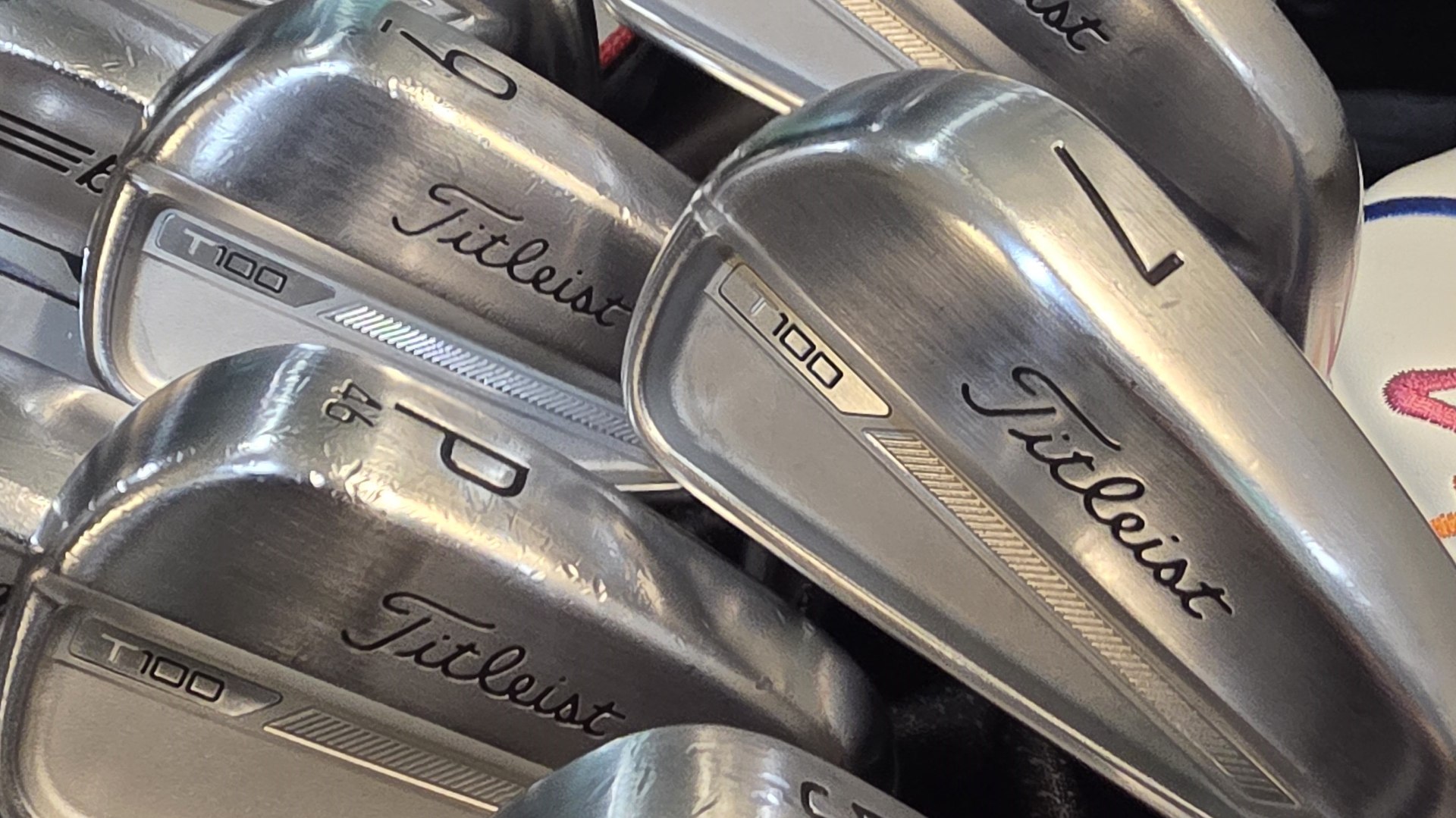
- Titleist T100 Loft Chart: 2019, 2021, 2023 and 2025 Lofts Compared T100 lofts by year in one table. 2019 to 2023 share identical lofts (P 46°); the 2025 set is 1° stronger (P 45°). Lie, length and T150 gap included.