Wedges & Putting
Golf Chipper: An Iron Built Like a Putter, and When It's Illegal
A golf chipper is an iron, 37-42° on three common models, stood upright and cut short for a putting-like stroke. Two faces or a putter grip make one illegal.
The short answer
A chipper is an iron with 9-iron to pitching wedge loft, 37-42° on three common models, stood more upright and cut shorter so you can use a putting-like stroke. The rules treat it as an iron, not a putter. A chipper with two hitting faces or a flat-sided putter grip doesn't conform.
- 37-42°
- loft of the Odyssey Chipper (37°), PING ChipR (38.5°) and Cleveland Smart Sole Full-Face Chipper (42°) Odyssey, PING and Cleveland Golf product pages, checked 2026-11-19
- 6.5° more upright, 1 in shorter
- PING ChipR (70.0° lie, 35 in) against PING's own G440 9-iron (63.5° lie, 36 in) PING ChipR and G440 iron spec tables, checked 2026-11-19
- One face, one round grip
- what the rules require of a chipper, because it counts as an iron, not a putter R&A Equipment Rules Part 2 and USGA Equipment FAQ, checked 2026-11-19
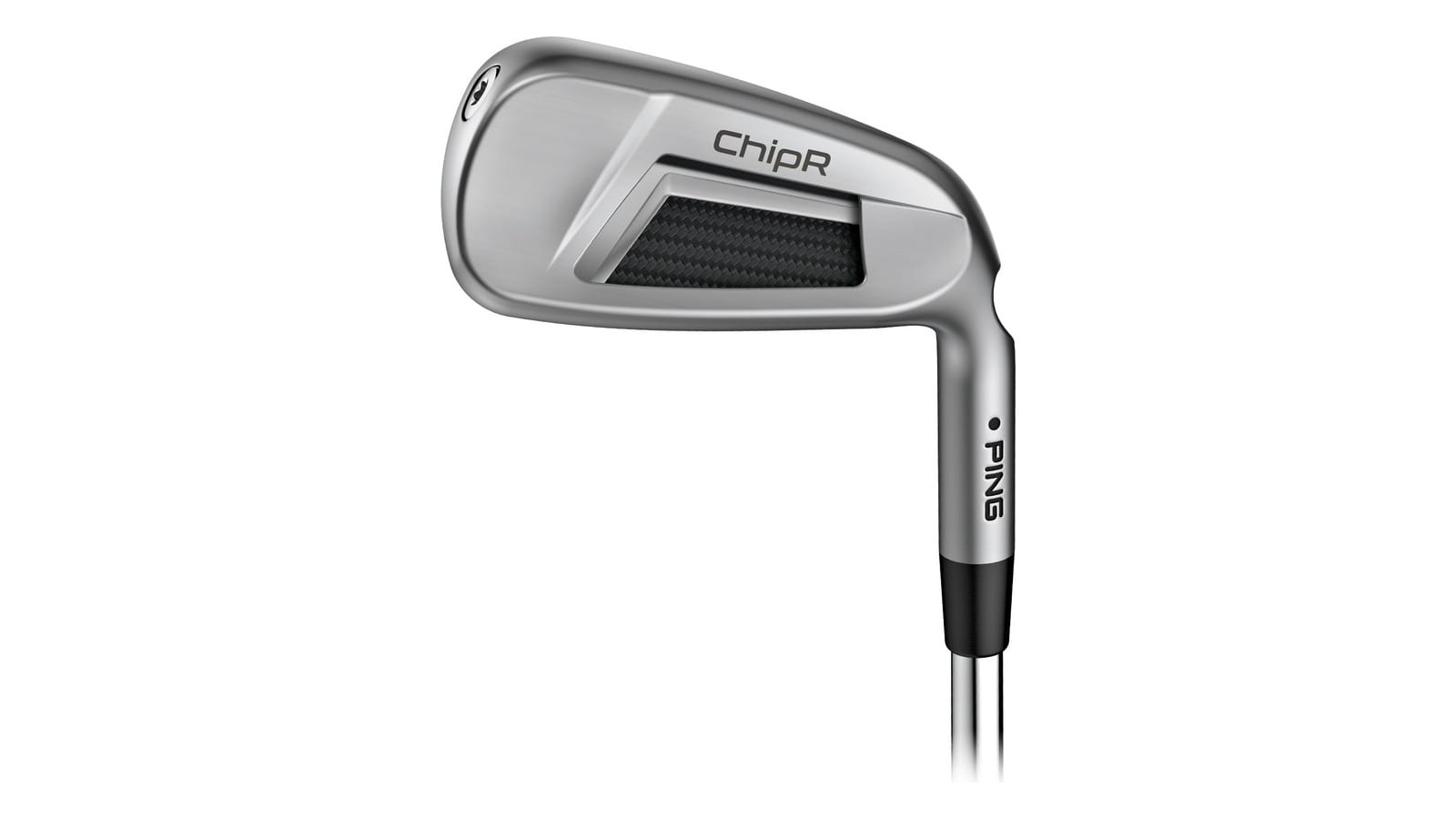
A golf chipper is an iron. Three common models carry the loft of a 9-iron or pitching wedge, between 37° and 42°. What changes is the posture: the head stands more upright and the shaft is shorter, so you can chip with a stroke that feels like a putt.
The rule books treat a chipper as an iron, not a putter, so a chipper with two hitting faces or a flat-sided putter grip doesn’t conform. Specs below come from the Odyssey, PING and Cleveland Golf product pages and from the R&A and USGA, all checked 2026-11-19.
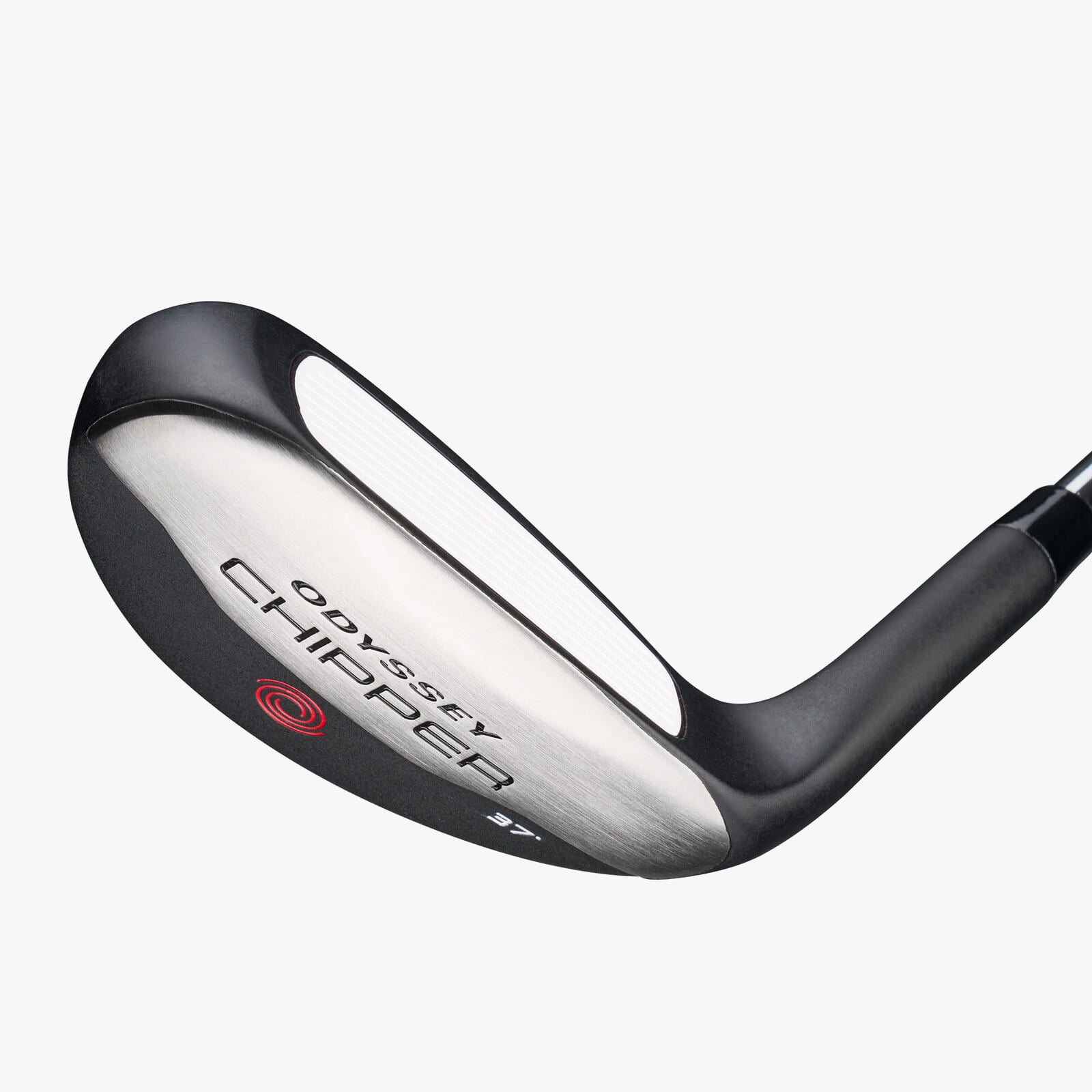
What a chipper actually is
Loft is how far the clubface tilts back from vertical. More loft sends the ball higher and shorter.
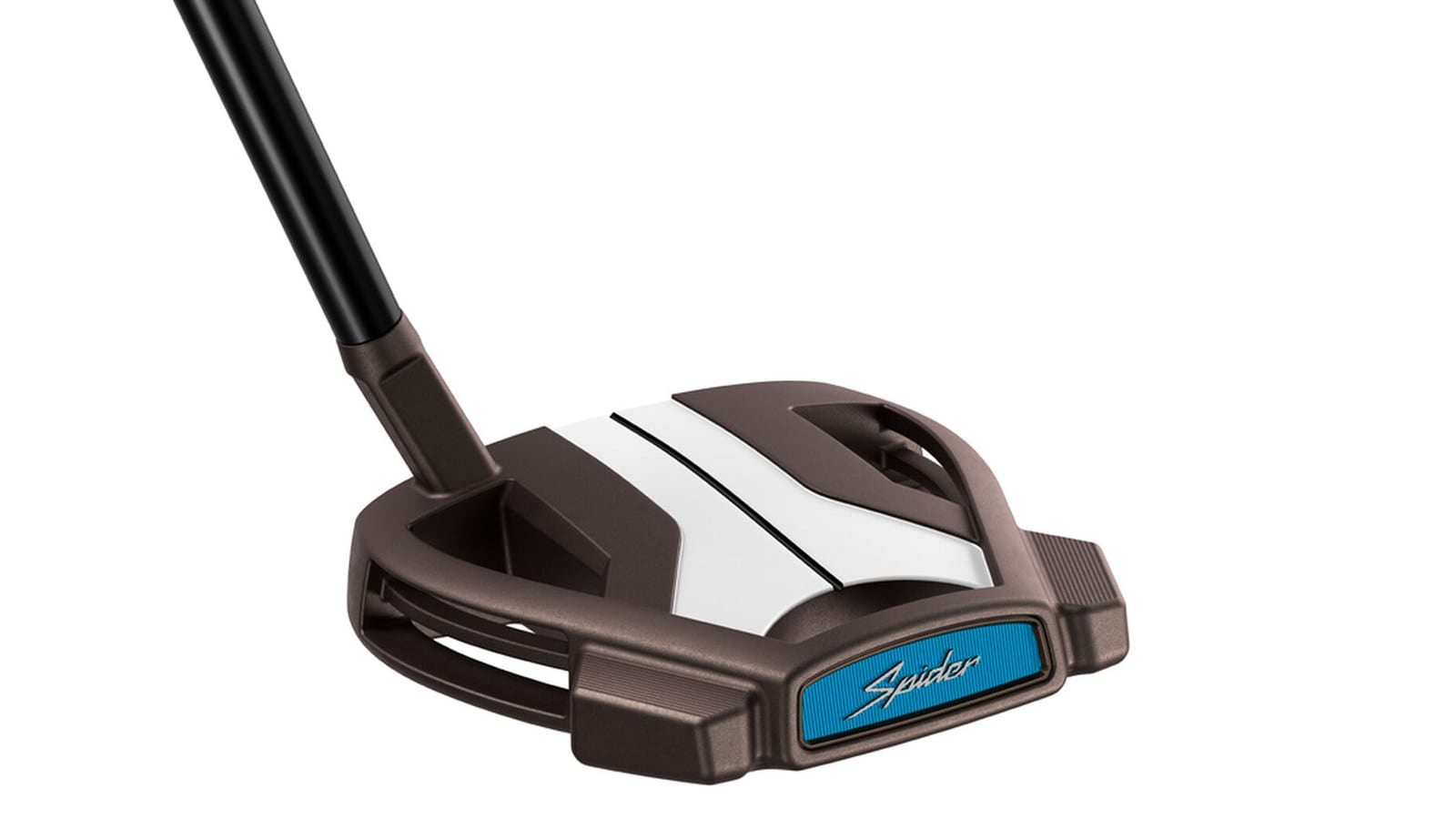
Odyssey’s product page lists the Odyssey Chipper at 37°. The PING ChipR is 38.5°, and Cleveland’s Smart Sole Full-Face Chipper is 42°. For an iron to compare against, PING’s G440 iron page puts the 9-iron at 37.0° and the pitching wedge at 42.0°.
So a chipper’s loft is nothing new. All three sit between PING’s own 9-iron and pitching wedge. Iron lofts differ from model to model, so check your own set before you compare.
The real difference is lie angle. Lie angle is the angle between the shaft and the ground when the club sits flat. A bigger number means the shaft stands more upright. My iron lie angle guide covers how it’s fitted on regular irons.
| Club | Loft | Lie | Standard length |
|---|---|---|---|
| Odyssey Chipper | 37° | 66.0° | 35.50 in |
| PING ChipR | 38.5° | 70.0° | 35 in |
| Cleveland Smart Sole Full-Face Chipper | 42° | 66° | 35 in |
| PING G440 9-iron | 37.0° | 63.5° | 36 in |
| PING G440 pitching wedge | 42.0° | 64.1° | 35.5 in |
Inside one brand, the gap is easy to read. The PING ChipR stands 6.5° more upright than the G440 9-iron, and it’s 1 inch shorter.
That upright, shorter build goes with what PING and Cleveland both call a “putting-like stroke.”
That doesn’t make a chipper a 9-iron you putt with. Each maker designs its own sole and face, and none of the three pages publishes a test of how much that changes the result.
Who the makers say it’s for
PING and Odyssey aim the chipper at players who struggle with short shots near the green. Cleveland describes the club, not the player.
PING’s ChipR page says it’s “fully engineered for golfers who may lack confidence with their traditional wedge and frequently struggle with chip shots.” It promises chips “without fear of chunking or blading shots.”
A chunk is when the club hits the ground before the ball, and the ball comes up short. A blade is when the leading edge hits the ball’s middle, and it shoots low and long.
Odyssey says its chipper is “for those who struggle with short shots around the greens.”
The distances are short, and the two makers measure them differently. PING recommends the ChipR “for shots within 40 yards of the green from the rough or fringe.” Cleveland says the chipper’s “extra forgiving leading edge” suits “chunk-free bump-and-run shots played with a putting-like stroke from fairways, fringe or short rough inside 30 yards of the hole.”
A bump-and-run is a low shot that lands short of the hole and rolls the rest of the way.
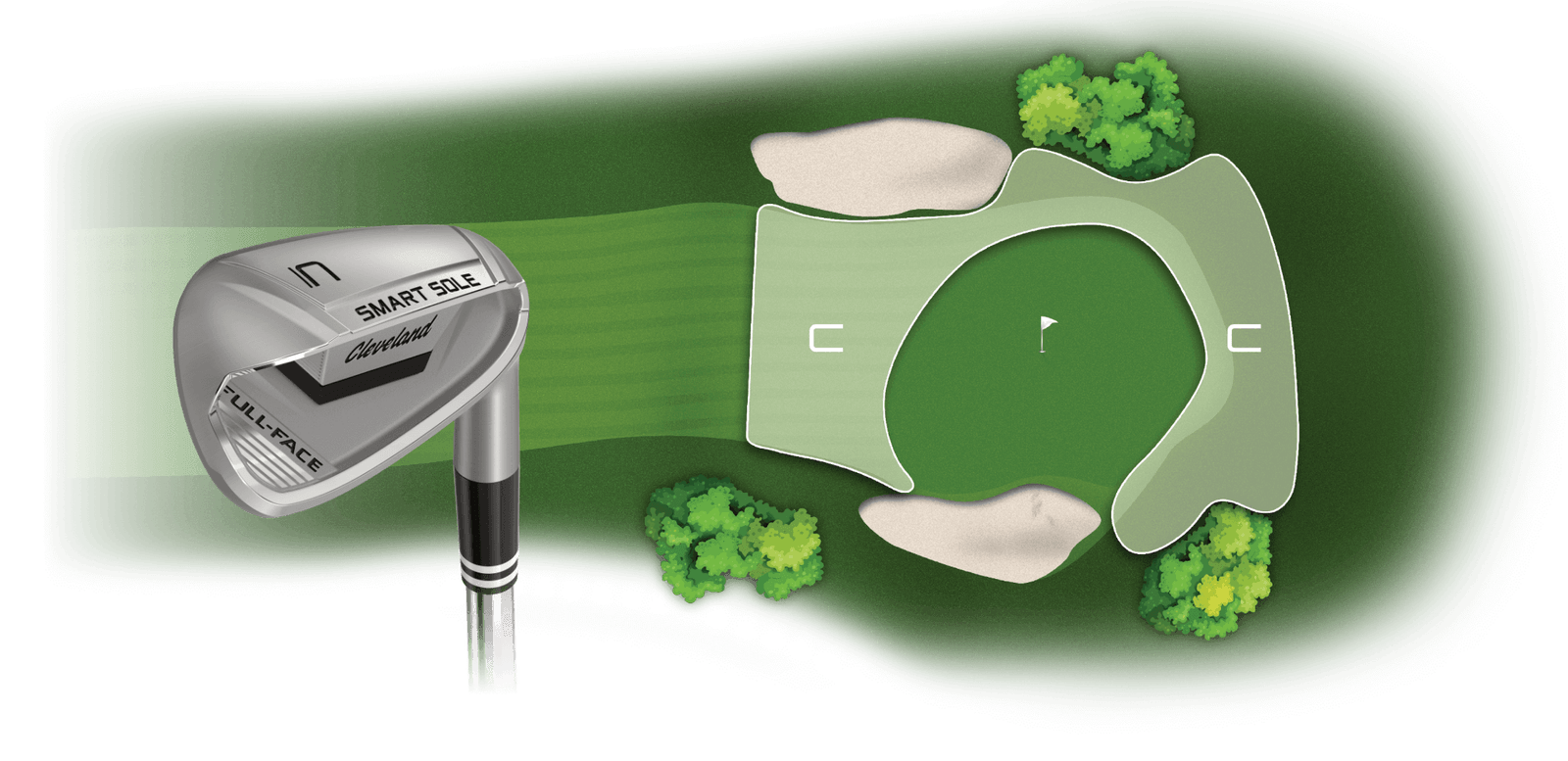
So PING and Cleveland pitch it for low, rolling shots from just off the green, played with a putting-like stroke. Odyssey’s page doesn’t describe the shot. Fewer chunks is how PING and Cleveland describe the result, and neither page shows test numbers behind that.
Is a chipper legal? The rule book’s checklist
Yes, if it’s built like an iron. The R&A defines a chipper in its Equipment Rules, Part 2. It’s “an iron club designed primarily for use off the putting green, generally with a loft greater than ten degrees.” A putter, by contrast, has “a loft not exceeding ten degrees.”
The R&A also explains where the confusion comes from. Most players use a putting stroke with a chipper, so “there can be a tendency to design the club as if it was a putter.” To settle it, the rules list what a chipper must have:
- The shaft attached at the heel, the end of the head nearest you
- A grip that’s circular in cross-section, and only one grip
- A generally plain head with only one striking face
- A face that meets the same specs as other clubs: hardness, roughness, material, markings and dynamic properties
- A length within the R&A’s chipper table. For 37-40° of loft the maximum is 38.5 inches, and for 41-44° it’s 38.0 inches
Length won’t trip up these three. They’re 35 to 35.5 inches.
Items 2 and 3 are where chippers fail. Putters get exceptions that chippers don’t: a putter may have two faces if their characteristics are the same and they are opposite each other. A putter grip may also be non-circular, and a putter may have two grips.
The USGA’s equipment FAQ says it plainly: “chippers are iron clubs not putters, and therefore must conform with the requirements for woods and irons. For example, chippers may not have a putter grip, two striking faces or appendages for aiming purposes.”
A club is conforming when it meets these Equipment Rules. The R&A and USGA also write the Rules of Golf, the book that fixes the size of the hole, and Rule 4.1a there sets the penalty: making a stroke with a non-conforming club means disqualification. Just carrying one has no penalty. It still counts toward the 14-club limit, and so does any chipper.
A two-way chipper has a hitting face on both sides so left- and right-handed players can share it. Two faces fail item 3, so it can’t be used where the Rules of Golf apply.
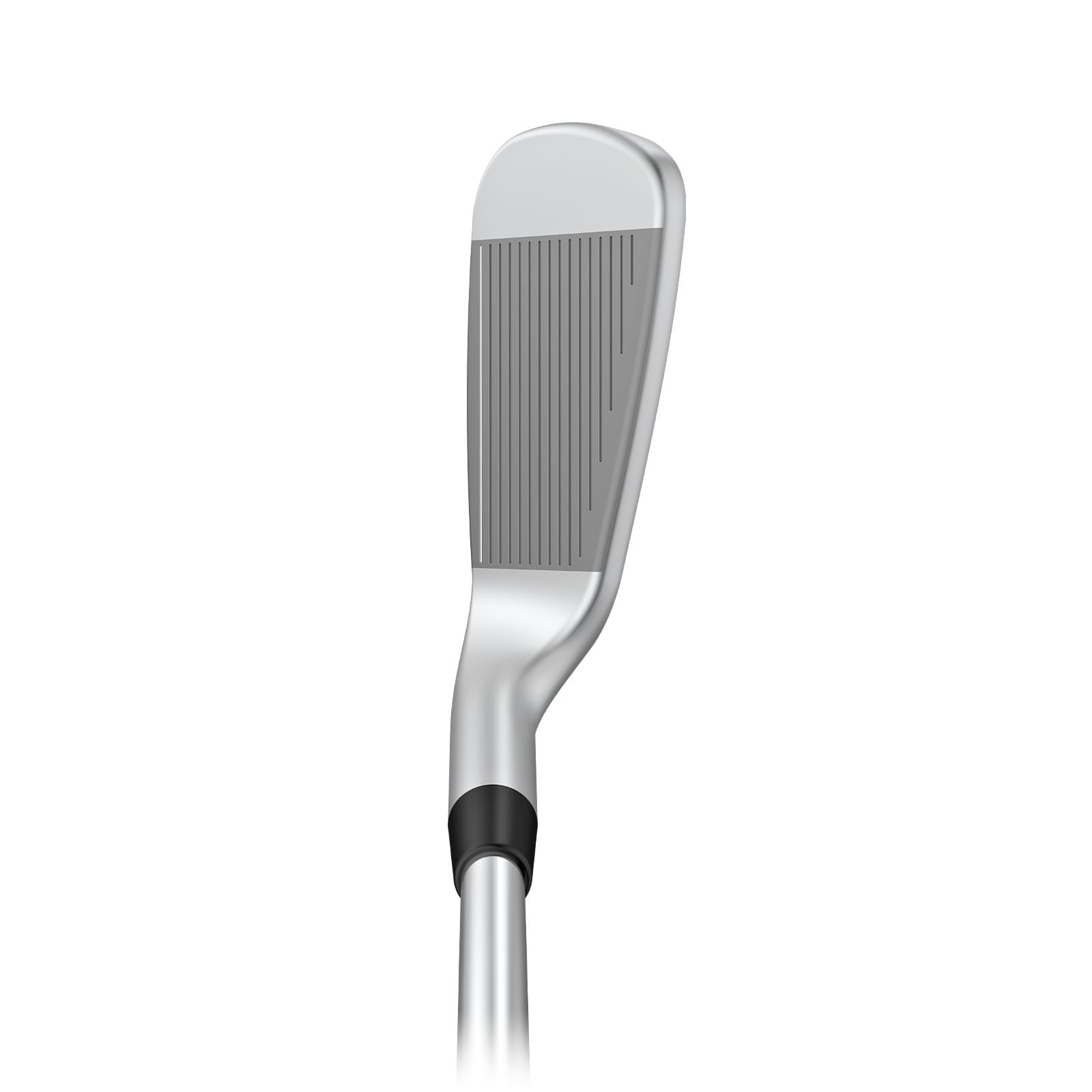
Of the three, the PING page gives the clearest picture. It shows one face and names a wedge grip, the PING 360 Dyla-wedge Lite. None of the three product pages, as checked, says whether the model appears on a conforming club list.
If I were buying one
If short chips are what cost you strokes, three checks narrow the field, in this order.
1. Rule out the illegal shapes first. One face, one round grip. If a listing says “two-way” or shows a flat-sided putter grip, I’d skip it. In a casual round, that’s for your group to decide. In a competition played under the Rules of Golf, it’s grounds for disqualification.
2. Check the loft against your own 9-iron and pitching wedge. The three here run 37-42°, so the spread is small. If I wanted more roll, I’d lean toward the lower end.
3. Get the lie and length right. I’d want the sole sitting flat when I stand over the ball, so I’d buy from a maker that fits both. PING says the ChipR can be custom fit for length, loft and lie (10 color codes), with lofts ±2° from standard. Cleveland offers length from -2 to +2 inches in half-inch steps, and lie and loft ±2° in 1° steps.
Both Odyssey and PING also lengthen the grip. Odyssey says its longer grip lets you hold the chipper “at different lengths for different types of shots.” PING’s grip is ¾ inch longer than a traditional one.
A chipper doesn’t replace your wedges. It takes one job, the low rolling shot from just off the green, and if that shot keeps costing you, it’s worth a look.